Why Are My Portable Oil Heaters Rusty and How to Fix It
On this page 6 sections
Rust on portable oil heaters typically comes from moisture exposure, especially in humid rooms or bathrooms. Rust can form on the metal cover or inside the heater, affecting performance and safety.
Understanding where rust forms and why helps you fix the problem and prevent it from coming back. This guide covers the main causes, fixes, and maintenance tips for rust on portable oil heaters.
Why Portable Oil Heaters Develop Rust
Rust on portable oil heaters happens mostly because of moisture and humidity inside and outside the unit. Steam exposure, poor ventilation, and damp storage conditions speed up corrosion, damaging covers and internal parts differently.
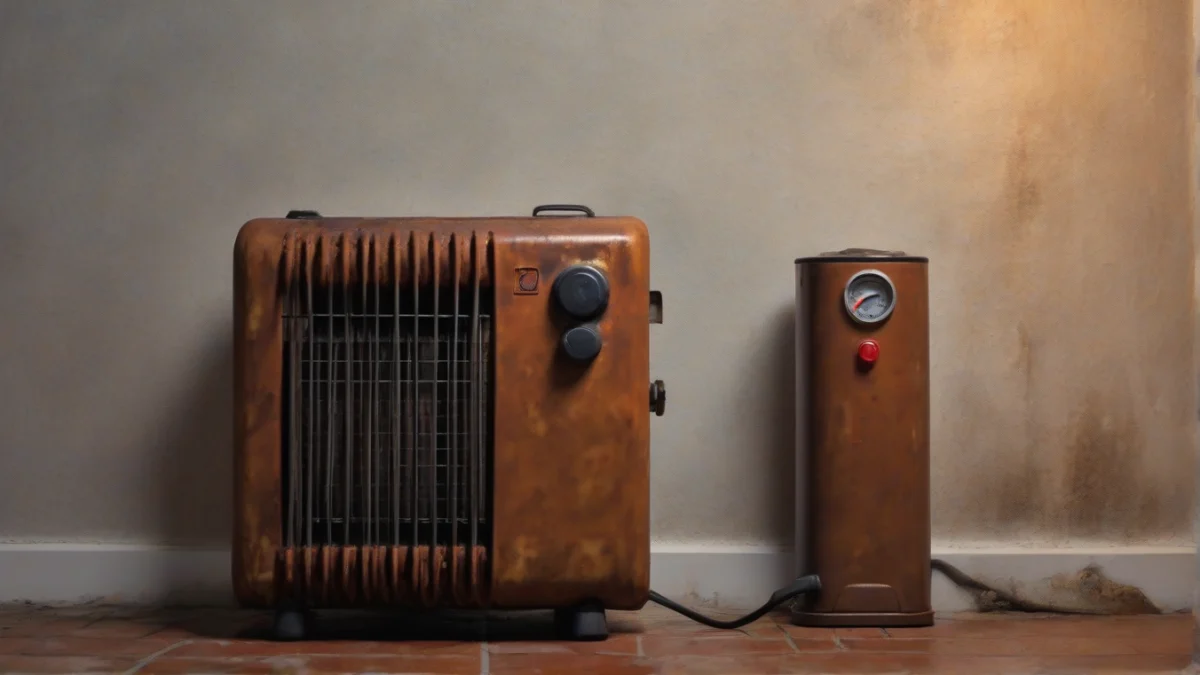
Moisture condenses on metal surfaces, especially in bathrooms or unheated basements, where humidity often tops 60%. Steam from showers or cooking settles on heater covers and leaks inside through small gaps, starting rust from the outside in.

Inside the heater, trapped moisture causes rust on the oil tank or heating elements, which cuts heating efficiency. A rusty oil-filled radiator might feel warm but never hot on max because corrosion disrupts heat transfer or electrical contacts.
Look for flaky rust, discoloration, or mildew stains on the cover’s paint or metal. Open any access panels to check internal parts—signs include rust spots on the oil tank, brittle wiring insulation, or corrosion around screws and terminals.
Rusted parts risk leaks, electrical shorts, and poor heating performance. A heater that won’t warm properly or has a power switch that fails to engage often has internal corrosion. Continuing to run it risks fire or oil spills, so inspect rust early and consider repairs.


How to Fix Rust on Portable Oil Heater Covers and Internal Parts
Rust on portable oil heaters forms when moisture meets the metal surface and oxygen reacts with the iron or steel. This process, called oxidation, happens faster if the heater sits in damp or humid conditions or if its paint coating is scratched or chipped. Inside, rust can also develop if condensation builds up on the metal parts over time.
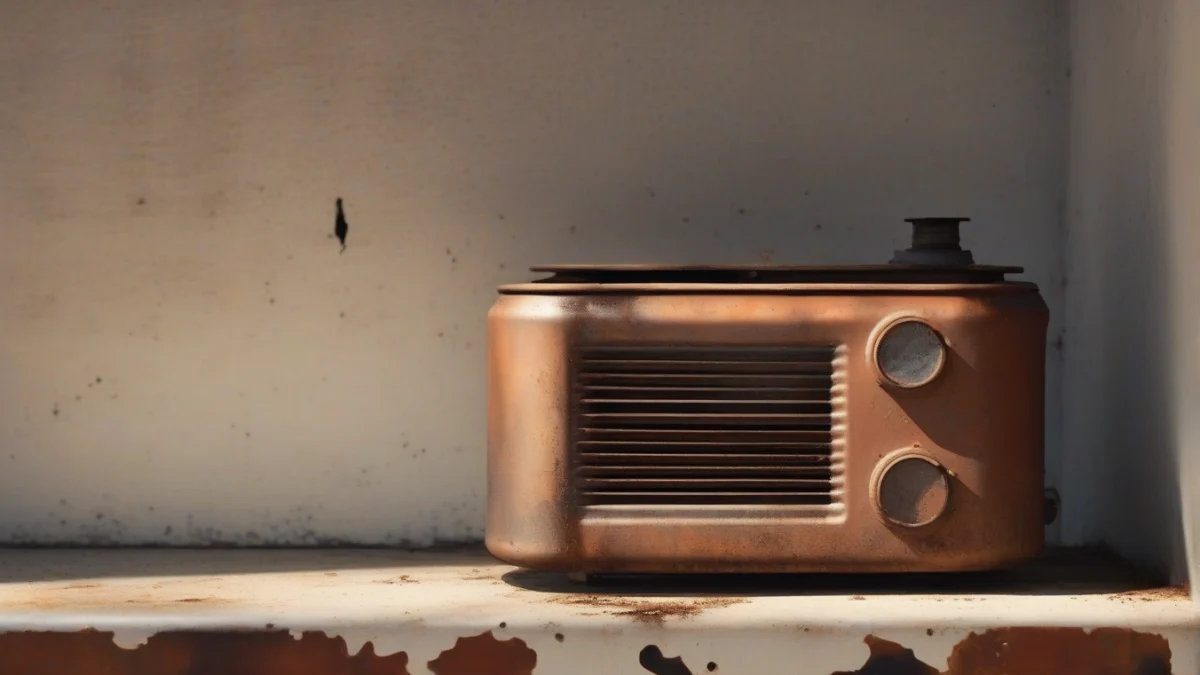
Start by unplugging the heater and letting it cool completely. Remove the cover screws and take off the outer panel carefully. Use a wire brush or sandpaper to scrub off rust spots on the cover and any accessible internal parts. Clean the surfaces with a damp cloth and dry thoroughly before reassembling.
- Unplug the heater and move it to a dry workspace.
- Remove screws and detach the rusted cover carefully.
- Use medium-grit sandpaper to remove rust spots on the cover and any exposed metal.
- Clean the sanded surfaces with isopropyl alcohol to remove dust and oil.
- Apply rust-inhibiting primer and paint or install a replacement cover following the manufacturer’s instructions.
- Check internal parts for rust or corrosion; replace heating elements or oil tanks if heavily corroded or leaking.
- Reassemble the heater and plug it in.
- Test the heater’s power switch and heat output on max setting to confirm the repair worked.
To fix rust on your portable oil heater, start by unplugging and letting it cool. Then wipe off loose rust with a soft brush or sandpaper. Apply a rust converter or primer designed for metal, followed by a heat-resistant paint to protect the surface. For internal rust, consult a technician to avoid damaging the heater or voiding the warranty.
Testing after repairs ensures the heater runs safely and heats properly. If problems persist, consult a technician rather than risk damage or injury.
How to Prevent Rust on Portable Oil Heaters Long Term
Keep your heater dry and avoid placing it on cold floors that encourage condensation. Wipe off any moisture immediately and store the heater in a dry, well-ventilated spot when not in use. Consider using a dehumidifier in rooms with high humidity to reduce rust risk. Regularly inspect the heater for scratches or paint damage and touch up these areas promptly to keep the metal protected.
Prevent rust by controlling moisture around your heater. Ventilate rooms well to avoid humidity buildup—open windows briefly or use exhaust fans in bathrooms and kitchens.
Apply rust-resistant finishes or protective coatings to metal surfaces exposed to air. These barriers slow corrosion but need inspecting and renewing yearly.
Keep heaters away from steam sources like showers or boiling pots. Steam carries water vapor that condenses on metal and starts rust.
Regularly inspect your heater for early rust signs. Clean dust and grime that trap moisture using a damp cloth, then dry thoroughly to keep surfaces dry.
Store portable oil heaters off-season in a dry place, elevated from cold floors or concrete, which can cause condensation. Cover them loosely to prevent dust but avoid plastic bags that trap moisture.
Portable Oil Heater Materials That Resist Rust
Powder-coated steel is the best material for portable oil heater covers if you want rust resistance. The coating creates a hard, sealed surface that holds up well against moisture and heat.
Plastic covers resist rust entirely but often yellow, crack or warp over time due to heater heat and humidity. Aluminum resists corrosion but dents easily and can oxidize, dulling its finish.
Brands like De’Longhi and Honeywell often use powder-coated steel in their electric oil-filled radiators, which helps them last longer in damp rooms or bathrooms.
There are no truly rust-proof portable oil heaters, but powder-coated steel models come closest. For bathrooms or humid environments, choose models with sealed finishes and avoid plastic or aluminum covers.
If you’re shopping for a heater in a moist room, look for terms like “rust-resistant finish” and check product details for powder-coated steel covers. This choice balances durability and resistance to corrosion.
When to Call a Technician or Replace Your Portable Oil Heater
Professional servicing is recommended when rust affects the internal components of your portable oil heater, as rust inside can reduce heating efficiency and pose safety risks. If you notice uneven heat output, strange noises, or visible corrosion on critical parts like the heating element or oil reservoir, it’s time to call a technician.
Signs that rust has compromised safety include oil leaks, cracking paint exposing metal, and corrosion near electrical connections. Repairs might be too costly or ineffective if rust damage is extensive or if internal parts are beyond salvage. In those cases, replacement is safer and often more cost-effective.
A professional inspection can identify hidden rust issues and recommend precise repairs or confirm if replacement is necessary. Look for technicians specializing in oil-filled heaters with credentials and positive reviews. Confirm they understand oil heater specifics, including safe handling of oil-filled elements and electrical components.
Replacing an old, heavily rusted heater often saves money and hassle in the long run. New models also offer improved rust-resistant materials and better energy efficiency, reducing future problems. If the heater cover rusts repeatedly despite maintenance, or if internal rust compromises performance, replacement is your best option.