

Most heater buyers are trying to solve one narrow problem, not heat the whole house from scratch. The right choice depends on room size, power supply, ventilation, and how long the heat needs to run.
Buyers also split by job: some want lower operating cost, some want fast spot heat, and some just need a safe replacement after last winter’s failure.
Who Buys Heaters
Heaters are bought mainly by homeowners, renters, landlords, small businesses, and garage users. They step in when a room is cold, the main heating system fails, or running the furnace gets too expensive.
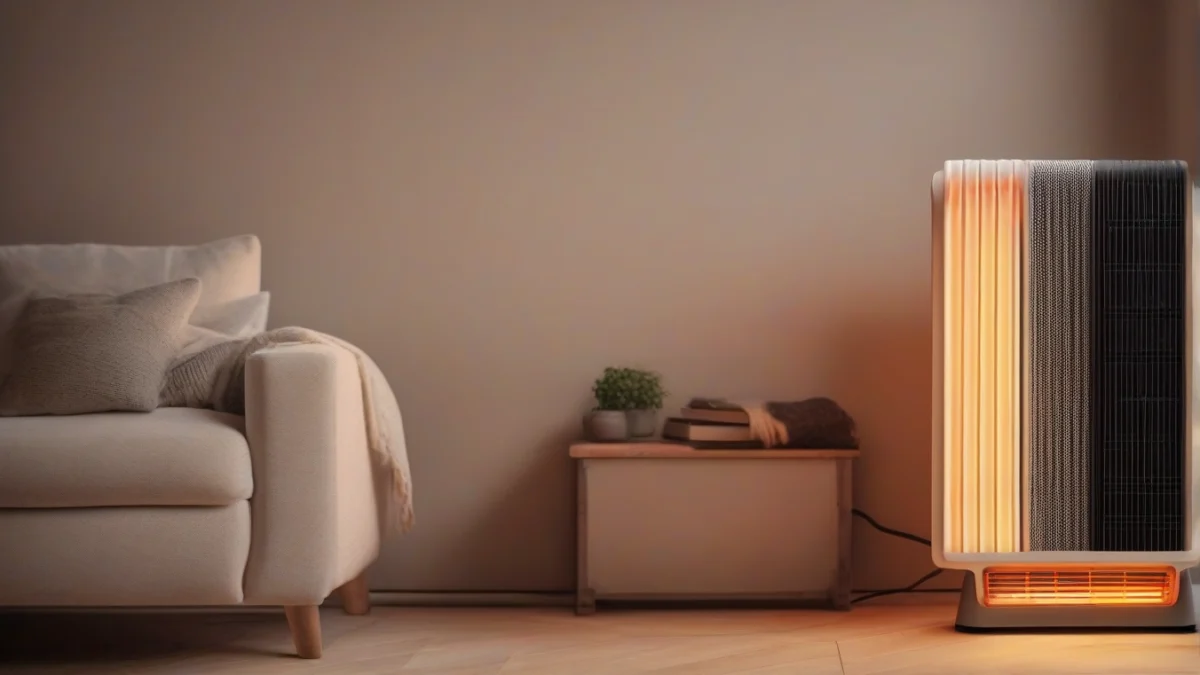
Homeowners often add heaters to boost comfort in large or drafty spaces without overworking their central system. Renters look for portable units they can take when they move. Landlords install heaters to keep properties habitable between tenants or during main system repairs. Small offices and shops use heaters to maintain a steady temperature for workers and customers. Garage and workshop users need heaters that handle open or semi-exposed spaces.
Common triggers for buying a heater include a single cold room, a broken or inefficient primary system, or a temporary need during repair or renovation. Some buyers trade low upfront cost for higher running costs, like plug-in electric heaters. Others prioritize low running costs and get fixed gas or oil heaters. Portability suits renters or temporary setups, while fixed units suit homeowners and landlords aiming for permanent solutions.
| Buyer Type | Goal | Likely Heater Type |
|---|---|---|
| Homeowners | Add heat to cold rooms or save on furnace costs | Oil-filled radiator, electric fireplace |
| Renters | Portable, easy-to-move heat | Plug-in electric space heater |
| Landlords | Temporary or supplemental heating | Wall-mounted electric or gas heater |
| Small businesses | Maintain comfortable workspace temperature | Fixed electric or propane heaters |
| Garage users | Heat open or drafty spaces | Forced-air propane or kerosene heater |
Why People Buy A Heater Instead Of Fixing The Main System
A heater for one room can be a cheaper, faster fix than repairing or running a main heating system for the whole house.
Heating a single room with a 1,500 W space heater for 8 hours uses 12 kWh. At 17 cents per kWh, that adds up to about $2.04 a night. For a few nights or in rooms used only part-time, this cost is often less than boosting central heat or calling for expensive repairs.
Different heater types warm in different ways, affecting comfort and speed. Infrared heaters send heat directly to people and objects, making them feel warm quickly even if the air stays cool. Convection heaters warm the air, gradually raising room temperature but can take longer. Fans speed heat circulation but can feel drafty.
Room use matters when choosing heater type. Bedrooms benefit from quiet, steady convection or infrared heat. Offices and bathrooms might prefer quick warmth from infrared or fan heaters. Garages and basements, often drafty and less insulated, tend to work better with fan or infrared heaters that focus heat where it’s needed.
| Heater Type | Speed | Comfort | Typical Use |
|---|---|---|---|
| Infrared | Fast | Direct warmth, no air movement | Bedrooms, offices, bathrooms |
| Convection | Slow | Even air temperature, quiet | Bedrooms, living rooms |
| Fan | Fast | Air movement can feel drafty | Garages, basements, bathrooms |

Buyers of Old Water Heaters
Old water heaters mainly attract scrap metal buyers and recyclers, with a few plumbers or homeowners interested in parts or recycling.
Most used tank water heaters have little resale value because the steel tanks wear out, rust forms inside, and moving heavy units is a chore. Tanks rarely survive long enough to be worth resale.
If a tank is leaking, dented, or badly scaled, it usually goes straight to scrap, not resale. The tank’s condition is the practical rule for deciding its fate.
For detailed advice on managing old water heaters safely and economically, see our guide on who buys old water heaters.
Which Heater Type Fits Which Room
For a bedroom, an infrared heater is a strong choice because it warms objects and people directly, avoiding the dry, circulating air of convection units. Plug-in electric heaters suit small rooms and short use periods, but they need tip-over and overheat protection plus a UL, ETL, or CSA safety listing.
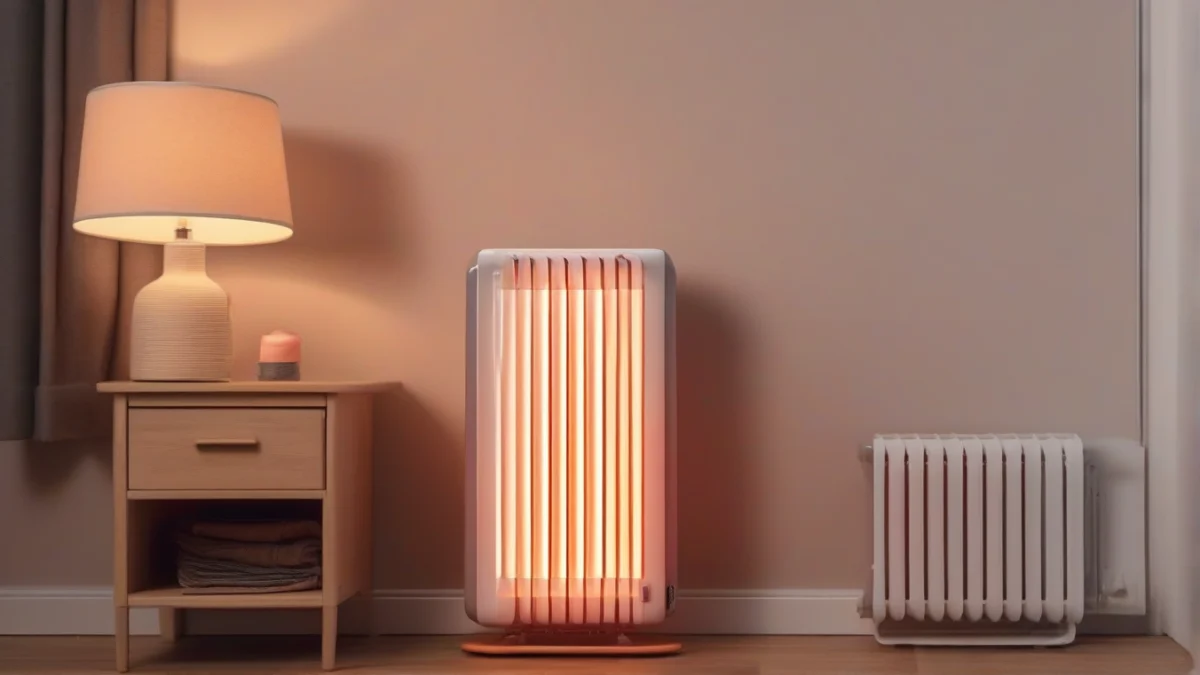
Wall-mounted electric heaters work well in offices and kitchens where floor space is tight but regular heating is needed. They stay cool to the touch and often hide cords for a clean look. The Heat Storm HS-1500-PHX-WIFI Infrared Heater, with Wi-Fi controls and a wall mount, fits this purpose well.
Fuel-burning heaters require proper venting and an indoor rating. A vented kerosene or propane heater can warm a garage or workshop efficiently but never use outdoor-only or unvented patio heaters indoors. Clearance rules vary: fuel heaters need more space around them than electric units, usually at least 3 feet from combustibles.
| Heater Type | Best Room Type | Power Source | Clearance Needs | Safety Notes |
|---|---|---|---|---|
| Infrared | Bedrooms, small living areas | Electric (plug-in or hardwired) | 3 feet clearance, tip-over protection | Needs listing; direct warmth avoids dry air |
| Convection | Living rooms, larger areas | Electric (plug-in or wall-mounted) | 3 feet clearance, overheat protection | Safe for continuous use with safeguards |
| Wall-mounted Electric | Offices, kitchens, small rooms | Electric (hardwired or plug-in) | 3 feet clearance, secure installation | Cool-to-touch grill; cord management |
| Fuel-burning (kerosene, propane) | Garages, workshops, outdoor-rated spaces | Fuel (kerosene, propane) | 6 feet clearance, venting required | Must be indoor-rated; CO alarm recommended |
Who Should Skip A Heater Purchase For Now
If your heater is not working, the problem might be electrical, mechanical, or fuel-related, not solved by adding a new heater. Fixing insulation gaps, clearing blocked vents, or repairing a faulty furnace often restores comfort more reliably and cheaply.
You should skip buying a new space heater if your furnace or main system needs repair. A new heater won’t fix a tripping breaker caused by a bad furnace motor, nor will it help if your ducts leak or vents are blocked.
The rule is simple: if your heat source is damaged, unstable, or requires code-level repairs, fix that first. Space heaters are supplemental at best, not substitutes for a safe, functioning main heat system.
Frequently Asked Questions
Who buys heaters for one room?
Who buys heaters for a garage or basement?
Who buys old water heaters?
Is it cheaper to buy a heater or fix the furnace?
What type of heater is best for a bedroom?
Can a landlord buy a heater for a rental unit?
When should I skip buying a heater and call for repairs?

I am a mechanical engineer and love doing research on different home and outdoor heating options. When I am not working, I love spending time with my family and friends. I also enjoy blogging about my findings and helping others to find the best heating options for their needs.
Related guides

Family-Safe Heat: ETL-Certified Portable Heater Guide
Stay cozy safely. This ETL-certified portable heater warms rooms fast with smart temperature control and whisper-quiet operation.
Which Electric Fireplace Logs with Heat Are Worth Your Money?
Enhance your space with electric fireplace logs that provide warmth and ambiance. Discover the perfect blend of style…
Alexa-Ready Space Heaters: 5 Voice-Controlled Heating Options Tested
Imagine a heater that listens. Find the perfect Alexa-compatible space heater for your cozy, voice-controlled comfort.