

A room doesn’t warm up because heat “rises” by itself; it warms because energy leaves the hot source and spreads through air, walls, furniture and bodies until temperatures even out. A heater, insulation layer or draft just changes how fast that happens.
For a quick check, 1,500 W for 8 hours is 12 kWh. At 17 cents per kWh, that’s about $2.04 for the night, so a heater that throws heat into the room instead of the wall can save money even if the wattage is the same.
Which Way Does Heat Energy Flow?
Heat energy always flows from warmer areas to cooler ones until the temperatures balance out, reaching what’s called thermal equilibrium. That means if a radiator is 90°F and the room is 65°F, heat moves from the radiator into the room until both are closer to the same temperature.
Thermal equilibrium is simply when two connected objects or spaces stop exchanging heat because they’re at the same temperature. No more heat crosses between them, so the flow stops. Before that point, heat is constantly on the move, chasing cooler spots like a lazy river heading downhill.
Heat moves through three main mechanisms, each needing different conditions to carry energy: conduction, convection, and radiation. Here’s a quick comparison:
| Heat Transfer Type | How It Moves Heat | Needs |
|---|---|---|
| Conduction | Direct particle-to-particle contact in solids | Solid materials touching |
| Convection | Movement of warm fluid (air or liquid) carrying heat | Fluid flow, often air or water |
| Radiation | Electromagnetic waves transferring heat without medium | Line of sight, no contact needed |
In your home, a radiator heater warms the metal surface, which then heats the air (convection), nearby objects and skin (radiation), and anything it touches (conduction). The heat energy moves outward from the hotter radiator to cooler surroundings until everything evens out.
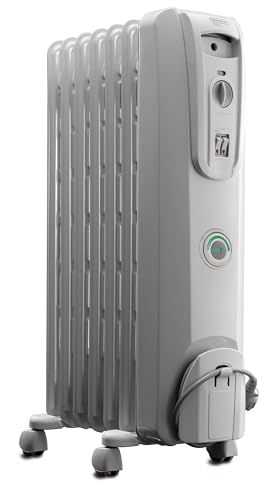
For example, the De’Longhi Oil filled Radiator Heater (product 1) is ideal for bedrooms and offices where quiet, steady heat matters. Its low surface temperature and no-fan design gently spread heat by radiation and convection without stirring dust or noise.
Check How Heat Moves In Your Room
Radiation, conduction, and convection each play distinct roles in how heat reaches you, shaping comfort and heater choice in your space. Radiation sends warmth directly to surfaces and people by electromagnetic waves, so an infrared heater can make you feel warm even if the air stays cool. Conduction transfers heat through direct contact, like your feet warming on a heated floor. Convection moves heat via air currents, either naturally or forced.

Natural convection happens when warm air rises slowly because it’s less dense, forming gentle currents that spread heat around a room. Forced convection uses a fan or HVAC blower to speed up air movement, pushing warm air in a specific direction. Although heat always flows from warmer to cooler areas, faster or turbulent air movement increases the rate of heat transfer without reversing its direction.
Consider a drafty room where cold air sneaks in near the floor. Natural convection struggles here because the cold air sinks and chills your feet. A forced convection heater with a fan circulates warm air more effectively, overcoming drafts. In a small bedroom, radiation heaters might be enough to warm you directly without heating all the air, saving energy. Garages and workshops benefit from convection heaters that move warm air across the space quickly, while bathrooms with exhaust fans see accelerated heat loss, making quick warm-ups essential.
Comfort depends on where the heat lands, not just the wattage on the box. A 1,500 W heater blowing warm air under a vent won’t heat a room efficiently if that air escapes through a drafty window before it reaches you. Infrared heaters shine where direct warmth matters, conduction helps with heated surfaces, and convection warms the whole room’s air.
| Heat Transfer Method | Description | Best Use |
|---|---|---|
| Radiation | Direct warming of objects and people | Small rooms, spot heating |
| Conduction | Heat transfer through direct contact | Heated floors, walls |
| Natural convection | Warm air rises slowly, spreading heat | Draft-free rooms |
| Forced convection | Fans push warm air faster | Drafty rooms, large spaces |
Measure Heat Flow Before You Blame The Heater
Engineers measure heat flow using heat flux, which is the amount of heat passing through a surface per unit area and time, giving both direction and magnitude. Temperature alone doesn’t show heat flow’s full story. Heat flux gauges how much energy moves, not just how hot something is.
Insulation reduces heat flow by limiting conduction and convection through walls, ceilings, and floors. A well-insulated room keeps heat inside longer, so your heater runs less. The R-value rates insulation’s resistance to heat flow—the higher it is, the better the insulation. U-factor is its inverse, measuring heat transfer rate.
You can check leaks by feeling for cold drafts near windows or doors or by using an infrared thermometer to spot cold spots on walls. Plugging leaks and upgrading insulation cuts heat loss and improves comfort, so the heater’s work is less demanding.
Measuring heat flow quantitatively lets you judge if your heater is underpowered or if your room’s insulation or air leaks are the real problem. For advice on choosing heaters that account for these factors, see our guide to most energy-efficient electric heaters.
Why Heat Flow Changes During Phase Changes
Heat energy never flows from a colder object to a warmer one on its own; it always moves from warm to cold, even during phase changes like melting or condensation.
When ice melts or water boils, you’ll notice the temperature holds steady despite energy going in or out. That’s because the energy is used to change the phase—solid to liquid or liquid to gas—rather than raising temperature.
This phase change absorbs or releases a large chunk of energy called latent heat, which delays temperature change even though heat keeps flowing. For example, when warm moist air meets a cold window, water vapor condenses, releasing heat to the surface without raising the air temperature.
In a vacuum, conduction and convection can’t happen because there’s no material to carry kinetic energy or move fluid. Radiation is the only way heat travels here, sending energy as electromagnetic waves from the warmer object to the cooler one.
Use Humidity And Airflow To Predict Comfort
Humidity changes how heat moves because water vapor makes air hold heat differently and affects condensation on surfaces.
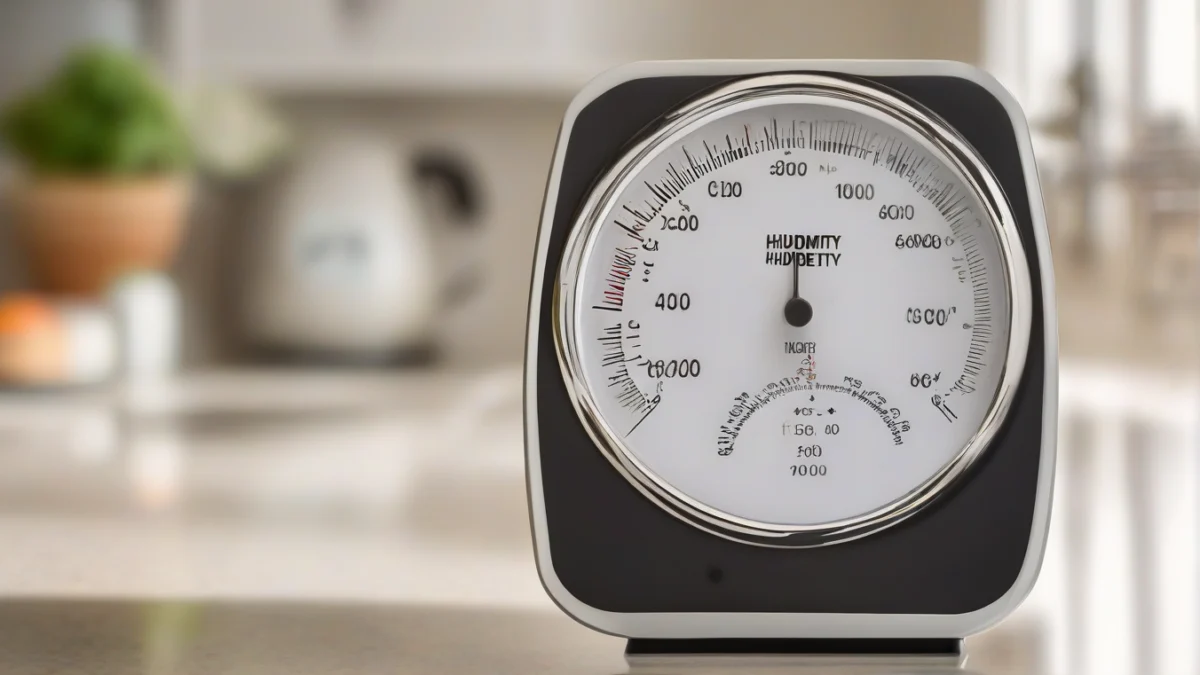
You’ll notice a draft feels colder than still air at the same temperature because moving air sweeps heat away from your skin faster, increasing heat loss.
Heat flow can be reversed with devices like heat pumps or refrigerators, but this requires mechanical work from compressors or electric motors—it doesn’t happen spontaneously in your room.
A warm reading on one surface, like a radiator or window pane, can mask larger heat losses elsewhere, such as cracks around window edges or leaky door sashes.
Frequently Asked Questions
Does heat ever flow from a colder object to a warmer one?
How does heat flow direction change during phase transitions?
How do engineers quantify heat flow direction and magnitude?
What factors most influence heat flow in building insulation?

I am a mechanical engineer and love doing research on different home and outdoor heating options. When I am not working, I love spending time with my family and friends. I also enjoy blogging about my findings and helping others to find the best heating options for their needs.
Related guides

Wood Heaters Save Energy & Cut Heating Costs
Cold months hit hard. You check your heating bill and wince. Natural gas prices climb. Electric resistance heaters…
Pool Chiller Costs and Cooling Power You Can Count On
A pool chiller cools your pool water by removing heat. Understand how it works, costs, and when to…
How to Stay Cool in Extreme Heat DAL: What Really Works
Effective ways to stay cool in the heat DAL, why most get it wrong, and practical tips you…
