Best Time to Buy HVAC Systems for Maximum Savings
On this page 5 sections
The best time to buy HVAC systems is during the off-peak seasons, typically late fall and early spring, when prices are lower and promotions are common.
Replacing your HVAC system is a major investment, but timing your purchase right can save you hundreds or even thousands of dollars. The secret? Buy during off-peak seasons when demand is low and deals are plentiful.

When to Buy HVAC Systems for the Best Prices
The HVAC industry follows predictable seasonal patterns. Contractors are busiest during extreme temperatures when systems fail most often. By purchasing during moderate seasons, you’ll find:
- Manufacturer rebates up to $1,500
- Contractor discounts of 10-15%
- Faster installation with no emergency fees
- More time to compare options
Best Months for HVAC Purchases
| System Type | Best Buying Months | Why? |
|---|---|---|
| Air Conditioners | March – April | Before summer rush begins |
| Furnaces | September – October | Before winter heating season |
| Complete Systems | January – February | Manufacturer year-end incentives |

Why Off-Season Purchases Save Money
HVAC companies face slow periods between peak seasons. During these times:
Manufacturers Offer Rebates
Major brands like Carrier and Lennox run promotions to move inventory. These can include:
- Instant rebates at point of sale
- Extended warranty offers
- 0% financing options
Contractors Have More Availability
Without emergency calls backlogged, installers can:
- Schedule installations faster
- Provide more personalized service
- Offer competitive pricing
Additional Ways to Save on HVAC Systems
Replace Both Systems Together
Installing a matched furnace and AC system together provides:
- Better efficiency (up to 20% more)
- Single installation labor cost
- Unified warranty coverage
For those considering a gas heater replacement, pairing it with a new AC can maximize savings.
Look for Tax Credits and Rebates
The federal government and many utilities offer:
- Tax credits for high-efficiency systems
- Cash rebates for ENERGY STAR models
- Special financing programs
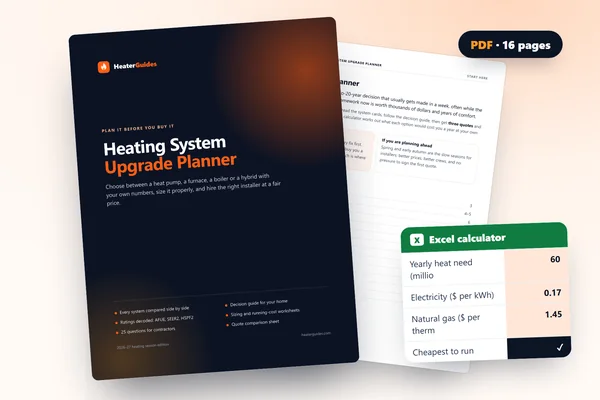 Heating System Upgrade PlannerChoose between a heat pump, a furnace, a boiler or a hybrid with your own numbers, and hire the right installer.Every system compared side by side25 questions for contractors, red flagsRunning-cost, payback and quote calculator (Excel)
What to Avoid When Buying HVAC
Emergency Replacements
When your system fails in extreme weather:
- Prices are highest
- Installation delays are common
- Less time to research options
Buying Online Without Installation
Purchasing equipment separately often leads to:
- Voided warranties
- Improper sizing
- Higher total costs
For specialized systems like indoor propane heaters, professional installation is especially important for safety.
Planning Your HVAC Purchase
Follow this timeline for maximum savings:
- Research systems 3-4 months before target season
- Get multiple quotes during slow periods
- Ask about upcoming promotions
- Schedule installation before peak season
By timing your HVAC purchase strategically, you can get premium equipment at the best possible price while avoiding the stress of emergency replacements.
Related pick: Check price on Amazon