

Large-scale temperature monitoring systems include satellite remote sensing, weather stations, and advanced climate models for accurate data collection and analysis.
From industrial facilities to climate research, precise temperature control at scale requires specialized systems. This guide explores the technologies powering large-scale thermal management across different applications.

veco chajor
Digital Crane Scale 11000 lbs/5000kg/5T Measurable Temperature…
- Durable Material: Forget those fragile plastic scales! Our hanging scale features a cast aluminum body, 304 stainless steel rings,…
- Precision That You Can Trust: Pop two bottles of water or a big hippo on it, and our crane scale doesn't flinch! With a fab range…
- Remote Control Magic: Our deer scale plays nice with its very own remote. Control from a cool 20 meters away. Even if the scale's…
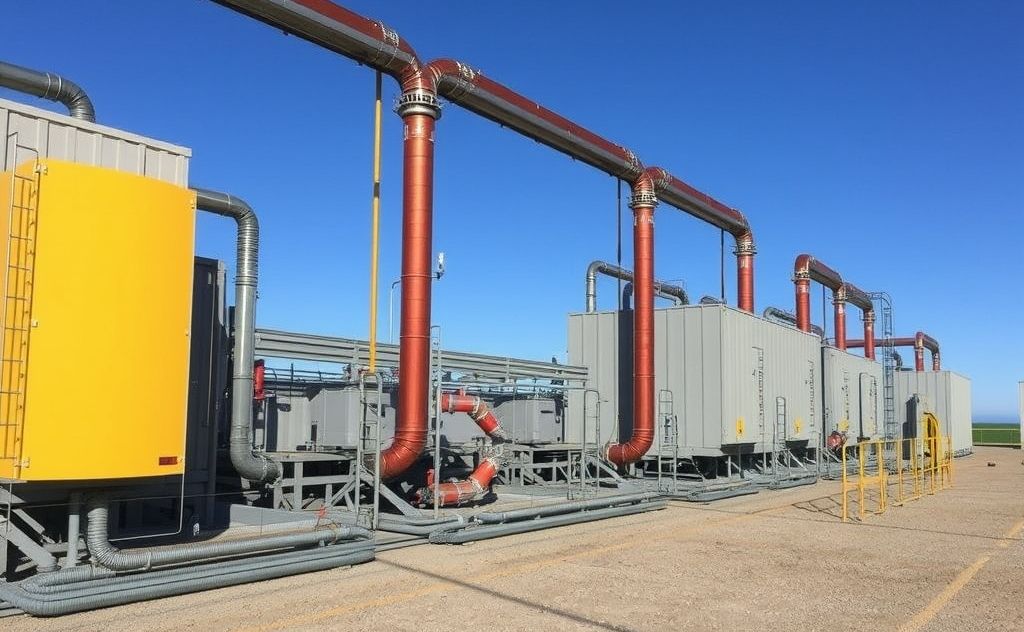
HVAC Systems for Building Climate Control
Heating, Ventilation and Air Conditioning (HVAC) systems form the backbone of temperature regulation in commercial and institutional buildings.
Central Plant Configurations
Large facilities use centralized systems with:
- Chillers for cooling (150-6,000 tons capacity)
- Boilers for heating (up to 20 million BTU/hr)
- Air handling units with VAV distribution
Emerging Technologies
New approaches include:
| Technology | Advantage | Best For |
|---|---|---|
| Magnetic bearing chillers | 30% higher efficiency | Data centers |
| Thermal energy storage | Load shifting | Peak demand reduction |
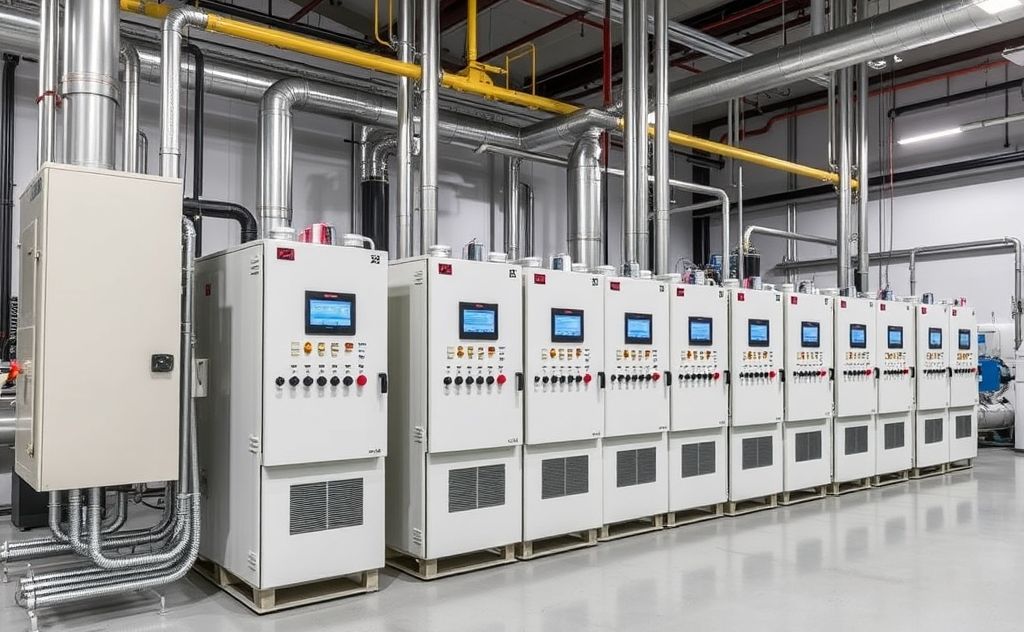
Industrial Process Temperature Systems
Manufacturing and processing require precise thermal control at scale.
Common Industrial Solutions
- Thermal oil systems (up to 400°C)
- Steam generation plants
- Direct-fired heating
For specialized applications like industrial heater blowers, custom solutions often outperform standard equipment.
District Heating and Cooling Networks
These centralized systems serve entire communities through underground piping:
Key Components
- Central plant (often combined heat and power)
- Distribution network (5-20km typical)
- Consumer interface stations
Modern systems achieve 90% efficiency by recovering waste heat from power generation. The built-in gas heater technology often complements these networks.
Climate Research Monitoring Systems
Scientific temperature monitoring requires precision at global scales.
Instrumentation Types
- Satellite radiometers (0.1°C accuracy)
- Ocean buoys (ARGO network)
- Land weather stations (CRU dataset)
According to recent climate studies, these systems now track temperature changes with unprecedented resolution.
Specialized Large-Scale Applications
Data Center Cooling
Modern facilities use:
- Liquid immersion cooling
- Evaporative cooling towers
- Waste heat reuse systems
Agricultural Climate Control
Greenhouse operations rely on:
- Biomass boilers
- Geothermal heat pumps
- Thermal screens
For smaller agricultural applications, indoor propane heaters provide flexible supplemental heating.
Future Trends in Temperature Systems
Emerging technologies promise greater efficiency and sustainability:
- AI-optimized thermal networks
- Phase change materials
- Waste heat to power conversion
As noted in climate modeling research, improved temperature systems will play a key role in climate adaptation.
Related pick: Check today's price on Amazon

I am a mechanical engineer and love doing research on different home and outdoor heating options. When I am not working, I love spending time with my family and friends. I also enjoy blogging about my findings and helping others to find the best heating options for their needs.
Related guides

How Industrial HVAC Systems Work: A Complete Guide
Industrial HVAC systems regulate temperature, humidity, and air quality through heating, cooling, ventilation, and control mechanisms for optimal…
Industrial Temperature Safety: Essential Protocols for Worker Protection
To ensure safety with industrial temperature, regularly monitor equipment, implement safety protocols, and provide employee training on temperature-related…
How To Control Temperature in Industrial Buildings Efficiently
To manage temperature in industrial buildings, utilize a combination of efficient HVAC systems, insulation, and automated controls to…
