

The safest space heater features tip-over protection, overheat shut-off, and is UL-listed; ceramic and oil-filled models are often recommended for safety.
Space heaters provide targeted warmth but pose serious fire risks if used improperly. According to the U.S. Consumer Product Safety Commission, space heaters cause over 1,700 residential fires annually. The safest models combine modern safety features with efficient heating technology.
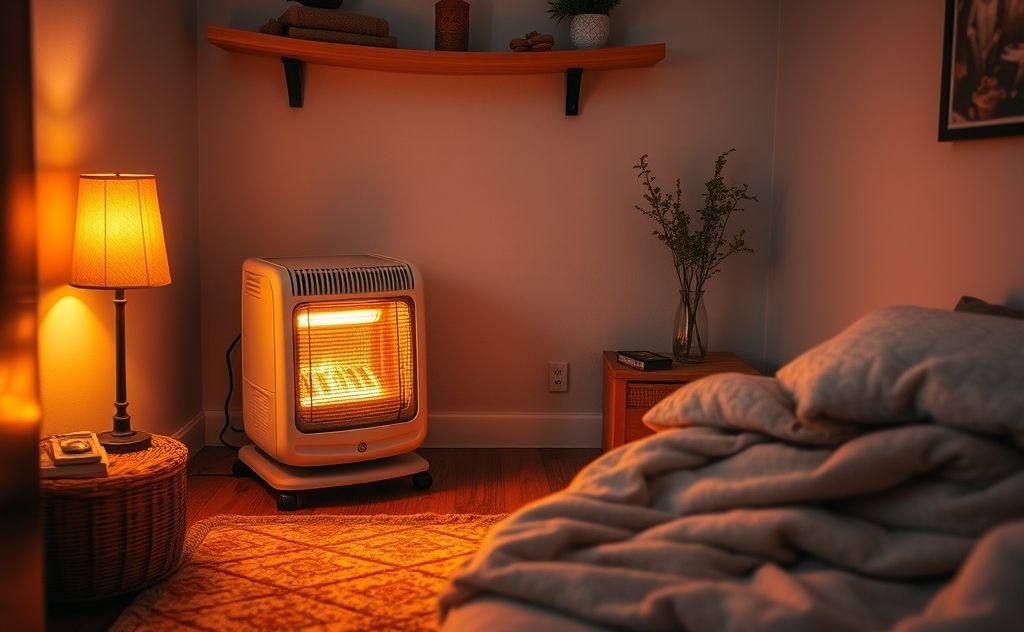
Key Safety Features in Modern Space Heaters
When shopping for a safe space heater, prioritize these critical safety components:
- UL Certification – Look for Underwriters Laboratory (UL) label
- Tip-over switch – Automatically shuts off if knocked over
- Overheat protection – Cuts power if internal temps get too high
- Cool-touch housing – Prevents burns on exterior surfaces
- Thermostatic control – Maintains consistent temps without overheating
Ceramic Heaters: The Safest Overall Choice

Ceramic space heaters rank as the safest option for most homes. Their heating elements don’t get as hot as metal coils, and quality models include all essential safety features. The Eco Heater wall-mounted ceramic model provides excellent safety with its cool-touch design and permanent mounting.
Comparing Heater Types by Safety
| Type | Safety Level | Best For |
|---|---|---|
| Ceramic | ★★★★★ | Bedrooms, living areas |
| Oil-filled radiator | ★★★★☆ | Continuous use in living spaces |
| Infrared | ★★★☆☆ | Spot heating in garages |
| Propane | ★★☆☆☆ | Outdoor/well-ventilated areas only |
Oil-Filled Radiators: Safe for Continuous Use
Oil-filled units like the Mill 1500W oil heater provide steady, even heat without exposed heating elements. The sealed oil reservoir maintains warmth even when powered off, reducing cycling. These rank as excellent choices for bedrooms and nurseries.
Critical Safety Practices for Space Heater Use
Even the safest heater becomes dangerous if used improperly. Follow these essential guidelines:
- Maintain 3 feet of clearance from combustibles
- Plug directly into wall outlets (no extension cords)
- Place on hard, level surfaces only
- Never leave operating unattended
- Install smoke and CO detectors nearby
Special Considerations for Different Room Types
Bedrooms
Choose units with automatic shutoff timers and tip-over protection. The U.S. Department of Energy recommends thermostatically controlled models for bedrooms.
Bathrooms
Only use heaters specifically rated for bathroom use with GFCI protection. Avoid any units near water sources.
Garages/Workshops
Infrared models work well for temporary spot heating. Ensure proper ventilation for any combustion units.
Advanced Safety Technologies
Modern heaters incorporate innovative safety features:
- Smart sensors – Detect nearby movement to adjust output
- Wi-Fi monitoring – Allow remote shutoff via smartphone
- Child locks – Prevent accidental setting changes
- Flame-retardant materials – Reduce fire spread risk
The Dyson Pure Hot+Cool Link represents the cutting edge with air quality sensors and app control, though at a premium price point.
Vented vs Unvented Combustion Heaters
As noted by heating experts, unvented combustion heaters should never be used indoors due to carbon monoxide risks. Vented units require professional installation but offer safer operation for gas/propane models.
Energy Efficiency Considerations
Safer heaters often prove more energy efficient:
- Thermostatic controls prevent wasteful overheating
- Oil-filled models maintain heat longer after cycling off
- Ceramic elements heat quickly with less energy
- Programmable timers reduce unnecessary operation
For maximum safety and efficiency, match heater capacity to room size using manufacturer guidelines. Oversized units create unnecessary risks while undersized models run constantly.
Related pick: Check today's price on Amazon

HeaterGuides covers home heating, water heating and HVAC: how the equipment works, what it costs to run, and how to use it safely.
