

Thermometers play a crucial role in climate control by providing accurate temperature readings essential for monitoring and regulating indoor and outdoor environments.
Thermometers serve as the nervous system of modern climate control, providing real-time temperature data that enables automated heating and cooling systems to maintain ideal conditions. From smart homes to industrial facilities, these precision instruments form the foundation of energy-efficient temperature regulation.
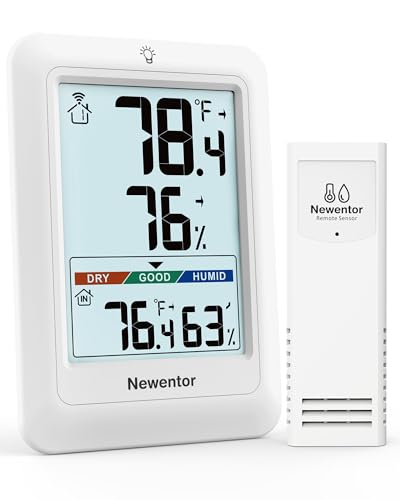
Newentor
Newentor Indoor Outdoor Thermometer Wireless with 24H/48H/ALL-TIME…
- [Largest Bold Display & Family Wellness] Read room data at a single glance. Featuring the market’s most concise display with ultra…
- [Healthy Humidity & Comfort Indicator] Don't let dry air disrupt your sleep or irritate your skin. This sleek hygrometer features…
- [24H/48H & All-Time Max/Min Tracking] Monitor indoor climate trends without constant manual checks. Track automated 24-hour, 48-ho…
The Science Behind Temperature Measurement
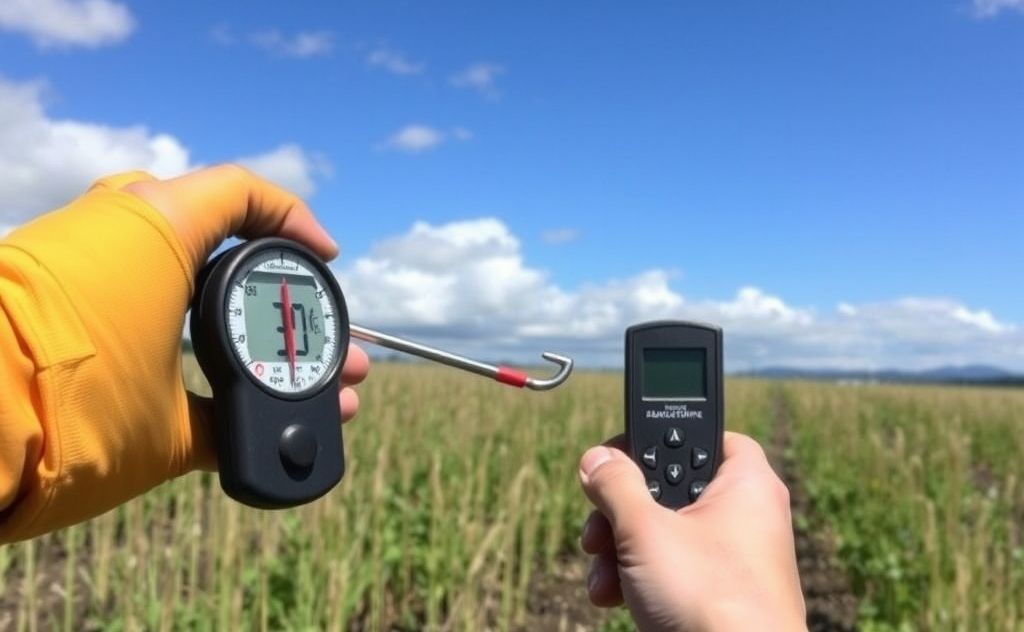
Modern thermometers use various technologies to detect thermal energy:
- Bimetallic strips: Two bonded metals expand at different rates
- Thermistors: Ceramic semiconductors that change resistance with temperature
- RTDs: Platinum wire sensors offering extreme accuracy
- Infrared sensors: Non-contact measurement of surface temperatures
Calibration Standards Matter
The National Institute of Standards and Technology maintains rigorous calibration protocols. Industrial systems often require thermometers accurate to ±0.1°C, while consumer-grade models typically achieve ±1°C.
Climate Control System Integration
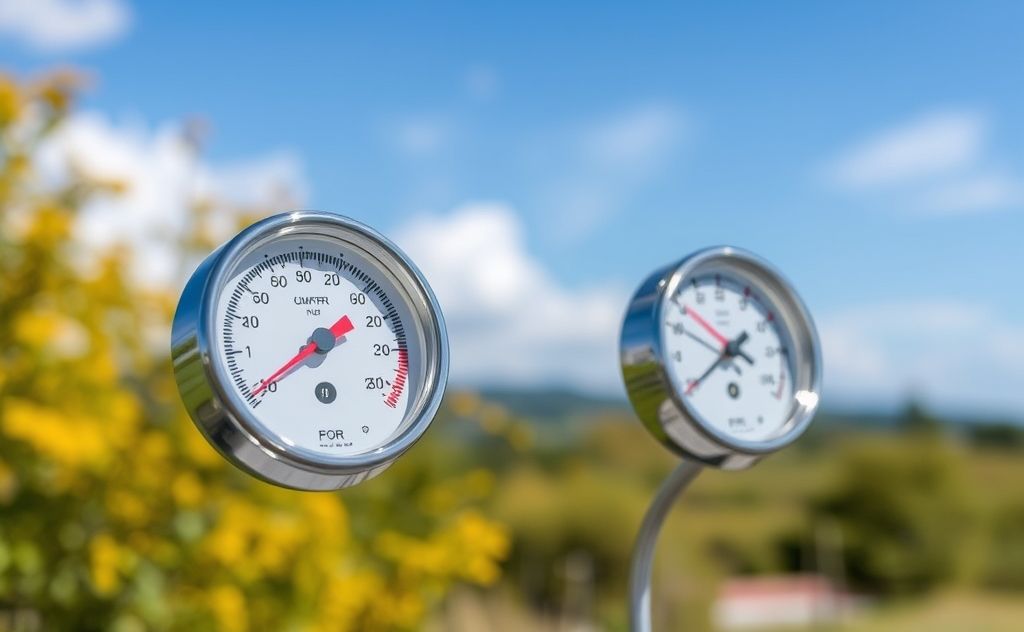
Thermometers feed data to control systems through various interfaces:
| Interface Type | Response Time | Typical Use Case |
|---|---|---|
| Analog (0-10V) | Instant | Basic HVAC systems |
| Digital (Modbus) | <1 second | Commercial buildings |
| Wireless (IoT) | 2-5 seconds | Smart home systems |
Zoning Strategies
Advanced systems use multiple thermometers to create microclimates. For example, our guide on built-in gas heaters shows how temperature sensors optimize comfort in different room zones.
Energy Efficiency Impacts
Precise temperature measurement directly affects energy consumption:
- 1°C overshoot in heating = 3-5% energy waste
- Smart thermostats save 10-12% on heating bills
- Industrial plants reduce costs by 15-20% with optimized controls
Case Study: Pool Heating
The XtremepowerUS pool heater demonstrates how integrated thermometers maintain water temperature within ±0.5°F while minimizing energy use.
Emerging Technologies
The next generation of temperature sensors includes:
- Fiber-optic distributed temperature sensing
- Self-calibrating MEMS sensors
- AI-powered predictive temperature modeling
According to Department of Energy research, these advancements could reduce HVAC energy use by 25-30% in commercial buildings.
Smart Home Integration
Modern systems now combine thermometer data with weather forecasts and occupancy patterns. This allows preemptive climate adjustments before temperature changes occur.
Specialized Applications
Different environments demand unique solutions:
- Greenhouses: Multi-point monitoring prevents plant stress
- Data centers: Rack-level sensors prevent overheating
- Food storage: HACCP-compliant logging thermometers
For extreme environments, our review of indoor propane heaters shows how specialized thermometers enable safe operation in sub-zero conditions.
Related pick: Check today's price on Amazon

I am a mechanical engineer and love doing research on different home and outdoor heating options. When I am not working, I love spending time with my family and friends. I also enjoy blogging about my findings and helping others to find the best heating options for their needs.
Related guides
How to Choose the Best Thermometer for Your Needs
To compare different thermometer types, evaluate their accuracy, response time, ease of use, measurement range, and suitability for…

Master Thermometer Readings for Accurate Weather Forecasts
To interpret thermometer readings in weather forecasting, note the temperature in degrees Celsius or Fahrenheit, considering factors like…
How to Troubleshoot a Faulty Thermometer in 5 Steps
To troubleshoot a faulty thermometer, first check the battery if it's digital, ensure the probe is clean and…
