Alcohol thermometers operate on the principle that alcohol expands and contracts uniformly with temperature changes, allowing it to rise or fall in a calibrated glass tube to indicate the temperature accurately.
Alcohol thermometers are a common tool for measuring temperature in homes, laboratories, and meteorological stations. Unlike mercury thermometers, they use colored alcohol as the thermometric liquid, offering a safer alternative with distinct advantages.

Relaxweex
Relaxweex 10 Pcs General Purpose Lab Thermometer…
- Method of Use: in order to get an accurate reading, the entire bulb of the thermometer needs to be submerged in the liquid you're…
- Wide Temperature Range: the general purpose lab thermometer has a measuring range of about -20 to 150 degrees Celsius; The measure…
- Safety Liquid Fill: this thermometer boasts a safe red liquid filling, compared to traditional mercury filled alternatives, it is…
The Basic Principle of Alcohol Thermometers
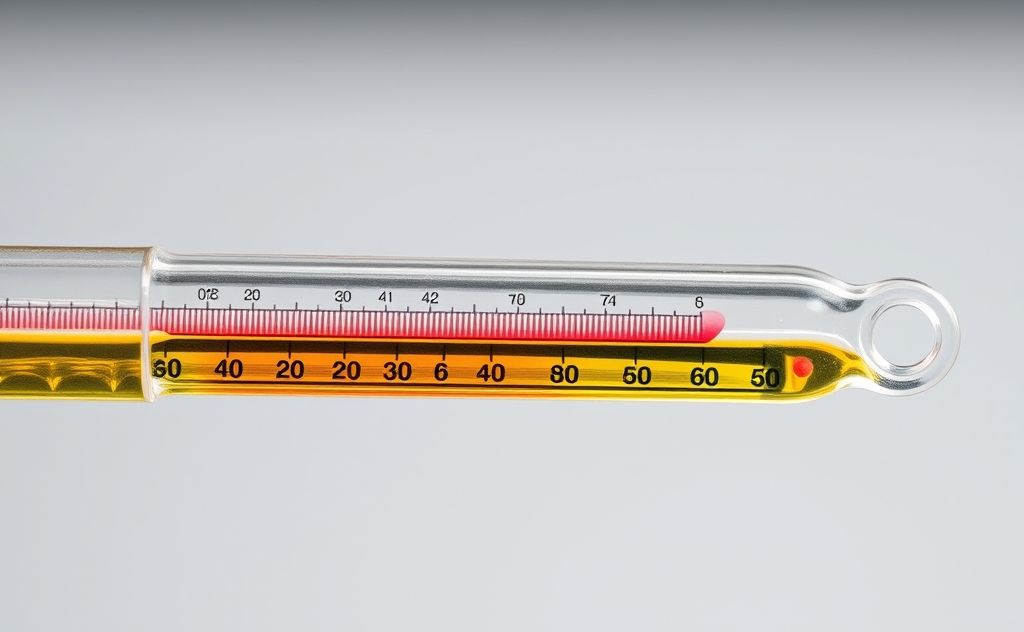
Alcohol thermometers operate on the principle of thermal expansion. When temperature increases, the alcohol inside the thermometer expands, causing it to rise in the capillary tube. Conversely, when temperature drops, the alcohol contracts, lowering the meniscus.
Key Components
- Glass Bulb: Contains the alcohol reservoir
- Capillary Tube: Narrow channel where alcohol rises/falls
- Scale: Marked graduations for temperature reading
- Coloring Agent: Typically red or blue dye for visibility
Why Alcohol Instead of Mercury?
While mercury was historically used in thermometers, alcohol offers several advantages:
| Feature | Alcohol | Mercury |
|---|---|---|
| Toxicity | Low | High |
| Freezing Point | -114.9°C (-174.82°F) | -38.8°C (-37.8°F) |
| Boiling Point | 78°C (172°F) | 356.7°C (674°F) |
| Visibility | Requires dye | Naturally visible |
For extremely low temperature measurements, some alcohol thermometers use a mixture of ethanol, toluene, and pentane, allowing measurements down to -200°C (-328°F). This makes them ideal for studying cold weather effects on materials.
Historical Development
The alcohol thermometer has an interesting history with multiple inventors credited:
Early Innovators
- Ferdinando II de’ Medici (1654): Created sealed tubes with alcohol
- Daniel Gabriel Fahrenheit (1709): Developed first reliable version
These early designs evolved into the precise instruments we use today, with improved glassworking techniques and standardized scales.
Modern Applications
Alcohol thermometers serve various purposes:
Meteorological Use
They’re particularly useful for measuring minimum outdoor temperatures, often used alongside vented gas heaters in weather stations.
Medical Applications
While digital thermometers are now common, alcohol versions are still used in some clinical settings due to their accuracy and lack of batteries.
Industrial Uses
Specialized alcohol thermometers monitor processes where mercury would be hazardous or where extremely low temperatures need measurement.
Limitations and Considerations
While useful, alcohol thermometers have some constraints:
- Upper temperature limit of about 78°C (172°F) for pure ethanol
- Potential for alcohol evaporation over time
- Glass construction makes them fragile
- Require proper storage to maintain accuracy
For higher temperature applications, alternatives like ceramic heating elements with digital thermometers might be more appropriate.
How to Read an Alcohol Thermometer
Proper reading technique ensures accurate measurements:
- Hold the thermometer at eye level
- Note where the meniscus (liquid curve) aligns with the scale
- Read the temperature at the bottom of the meniscus
- Avoid touching the bulb during measurement
For precise scientific work, thermometers should be periodically calibrated against known standards.
Comparison with Other Thermometer Types
Understanding how alcohol thermometers differ from other types helps in selecting the right tool:
Digital Thermometers
Use electronic sensors (often thermistors) and provide quick, precise readings but require power sources.
Infrared Thermometers
Measure surface temperatures without contact, useful for industrial applications as discussed in infrared heating technology.
Bimetallic Thermometers
Use metal strips that expand at different rates, common in thermostats and industrial controls.
Safety Considerations
While safer than mercury, alcohol thermometers still require proper handling:
- Avoid breakage by storing in protective cases
- Clean spills promptly (alcohol is flammable)
- Dispose of broken thermometers properly
- Keep away from open flames
For more on safe heating alternatives, see our guide on ventless gas heater safety.
Future of Temperature Measurement
While alcohol thermometers remain useful, digital technologies are becoming more prevalent. However, the simple, reliable design of alcohol thermometers ensures they’ll continue serving specific applications where their unique properties are advantageous.
Related pick: Check today's price on Amazon

I am a mechanical engineer and love doing research on different home and outdoor heating options. When I am not working, I love spending time with my family and friends. I also enjoy blogging about my findings and helping others to find the best heating options for their needs.
Related guides

Thermometer Lifespan: How Long Do They Really Last?
The lifespan of a thermometer varies by type, but most digital thermometers last about 5-10 years, while glass…
Food Thermometer Guide: Ensure Safe Cooking Every Time
To ensure food safety, use thermometers to check that cooked foods reach safe internal temperatures, preventing foodborne illnesses.…
How to Clean a Thermometer: Step-by-Step Guide
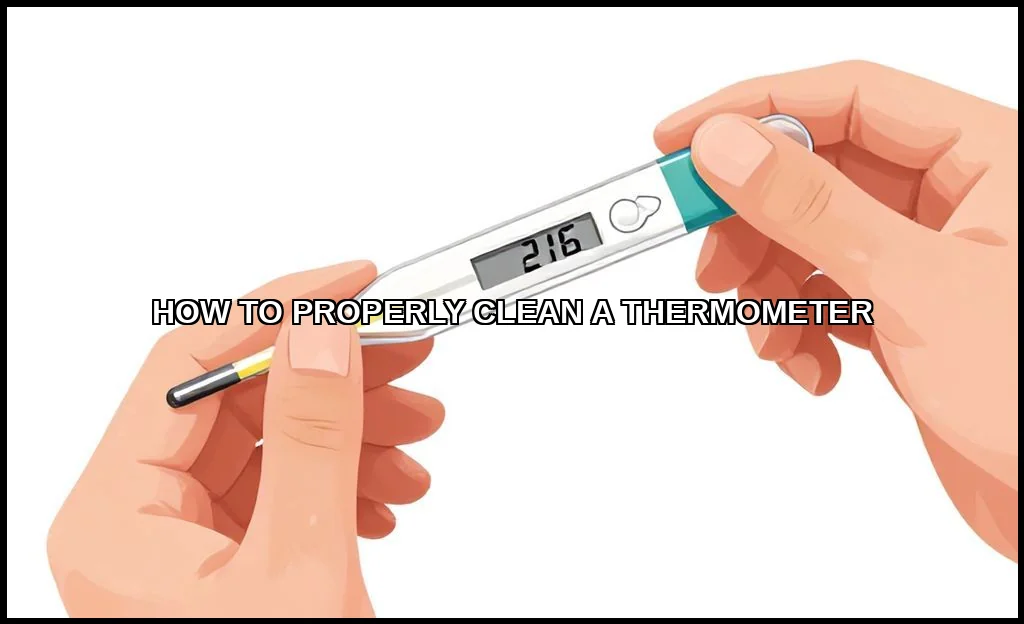
You probably know how to use a thermometer. But do you know how to clean it properly? That's…