

The future of industrial temperature control lies in advanced automation, IoT integration, and AI-driven analytics for enhanced efficiency and precision.
Industrial temperature control is undergoing a radical transformation. From AI-driven predictive systems to IoT-enabled sensors, the next decade will redefine how factories, labs, and production facilities manage heat and cooling. This article explores the cutting-edge technologies shaping this evolution.

Future Design Controls
Future Design Controls FDC-9090-45132000, ETR-9090-132 SSR Output…
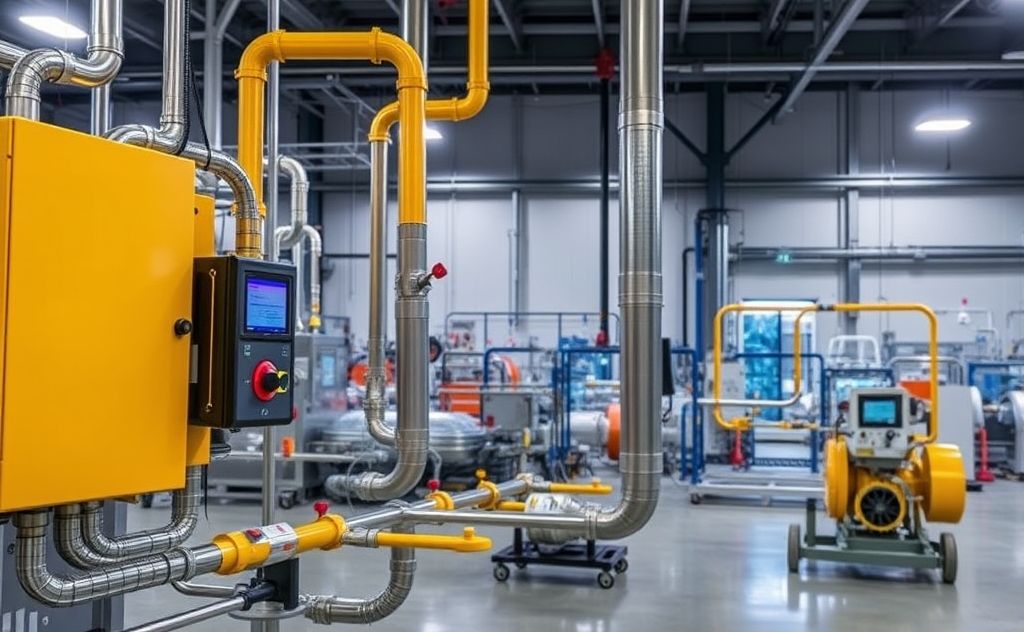
AI and IoT: The Brain of Modern Temperature Systems
Artificial intelligence now powers self-regulating industrial heaters and chillers. These systems analyze historical data, weather patterns, and equipment performance in real-time. The result? Energy savings up to 30% compared to traditional PID controllers.
Case Study: Smart Pharmaceutical Cooling
A major vaccine manufacturer reduced temperature fluctuations by 78% after installing AI-controlled chillers. The system automatically adjusts cooling capacity based on:
- Batch sizes
- Ambient warehouse conditions
- Equipment load factors
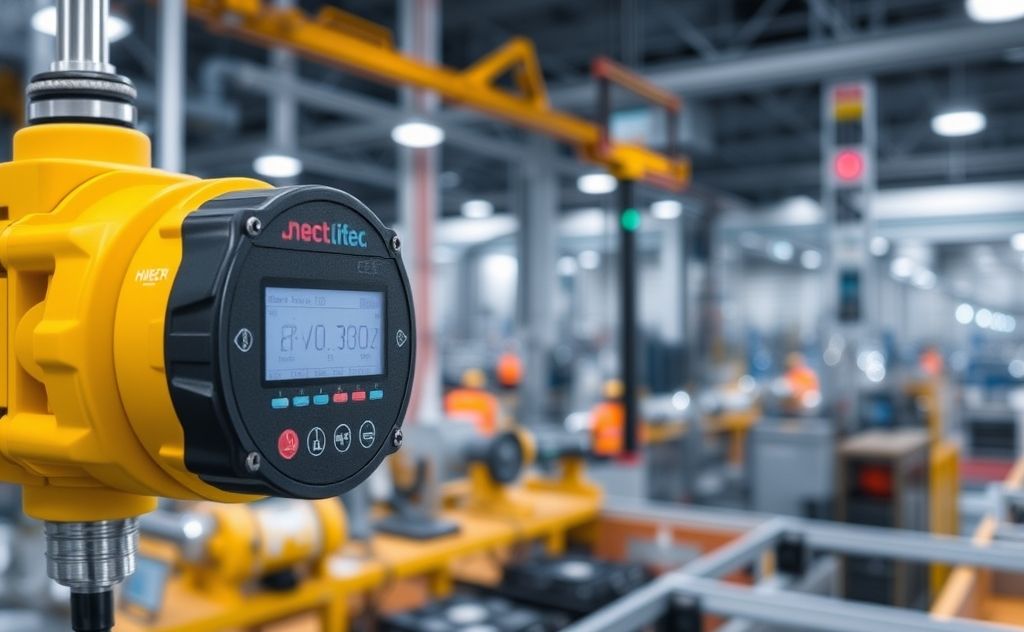
Next-Gen Sensor Technology
Traditional thermocouples are getting smarter. New models feature:
| Feature | Benefit |
|---|---|
| Wireless connectivity | Eliminates wiring costs in large facilities |
| Self-diagnostics | Predicts sensor failure before accuracy drifts |
| Nano-coatings | Withstands corrosive environments 5x longer |
According to LAUDA’s research, these advancements reduce maintenance costs by 40% in chemical processing plants.
Energy Efficiency Breakthroughs
Magnetic Refrigeration
This emerging technology uses magnetic fields instead of compressors. Early adopters report:
- 60% less energy consumption
- Zero greenhouse gas emissions
- Vibration-free operation
Phase Change Materials (PCMs)
Companies now integrate PCMs into water heater controls. These materials absorb/release heat at specific temperatures, smoothing demand spikes.
Industry-Specific Innovations
Food Processing
New USDA-compliant systems combine:
- Infrared surface sterilization
- Precision blast chilling
- Blockchain temperature logging
Semiconductor Manufacturing
Nanoscale thermal control now maintains ±0.01°C stability in cleanrooms. This prevents wafer warping during lithography.
Integration Challenges and Solutions
While upgrading legacy systems, many face compatibility issues. The best approach involves:
- Gradual retrofitting with gateway devices
- Cloud-based data unification platforms
- Staff training on predictive maintenance
For facilities using older industrial heater blowers, modern controllers can often interface through analog signal converters.
The Sustainability Imperative
New regulations are driving eco-friendly designs. The EU’s Ecodesign Directive now requires:
- Minimum energy efficiency standards
- Recyclable components
- Low-global-warming refrigerants
As noted in Future Design Controls’ whitepapers, these changes add 15-20% to upfront costs but pay back within 3 years through energy savings.
Looking Ahead: 2030 Predictions
Industry experts forecast these developments:
- Quantum temperature sensors with picokelvin resolution
- Self-healing thermal insulation materials
- AI-powered district heating networks
- 5G-enabled edge computing for real-time adjustments
The future of industrial temperature control isn’t just about maintaining setpoints—it’s about creating intelligent, adaptive thermal ecosystems that optimize energy use while ensuring perfect process conditions.
Related pick: Check today's price on Amazon

I am a mechanical engineer and love doing research on different home and outdoor heating options. When I am not working, I love spending time with my family and friends. I also enjoy blogging about my findings and helping others to find the best heating options for their needs.
Related guides

Large-Scale Temperature Control Systems Explained
Large-scale temperature monitoring systems include satellite remote sensing, weather stations, and advanced climate models for accurate data collection…
How Industrial HVAC Systems Power Manufacturing & Warehouses
HVAC in industrial settings regulates temperature, humidity, and air quality, ensuring optimal working conditions and equipment performance while…
How Temperature Changes Impact Industrial Operations
The impact of temperature on industrial processes includes effects on machinery efficiency, material properties, and product quality, influencing…
