Portable Heater Energy Use: Costs & Efficiency Explained
On this page 7 sections
The energy consumption of a portable heater typically ranges from 750 to 1500 watts, translating to approximately 0.75 to 1.5 kilowatt-hours per hour of use, depending on the heater’s power setting and efficiency.
Portable heaters provide instant warmth but consume significant electricity. Understanding their energy use helps manage costs while staying comfortable. Most units draw 750-1500 watts, costing $0.10-$0.20 per hour at average electricity rates.
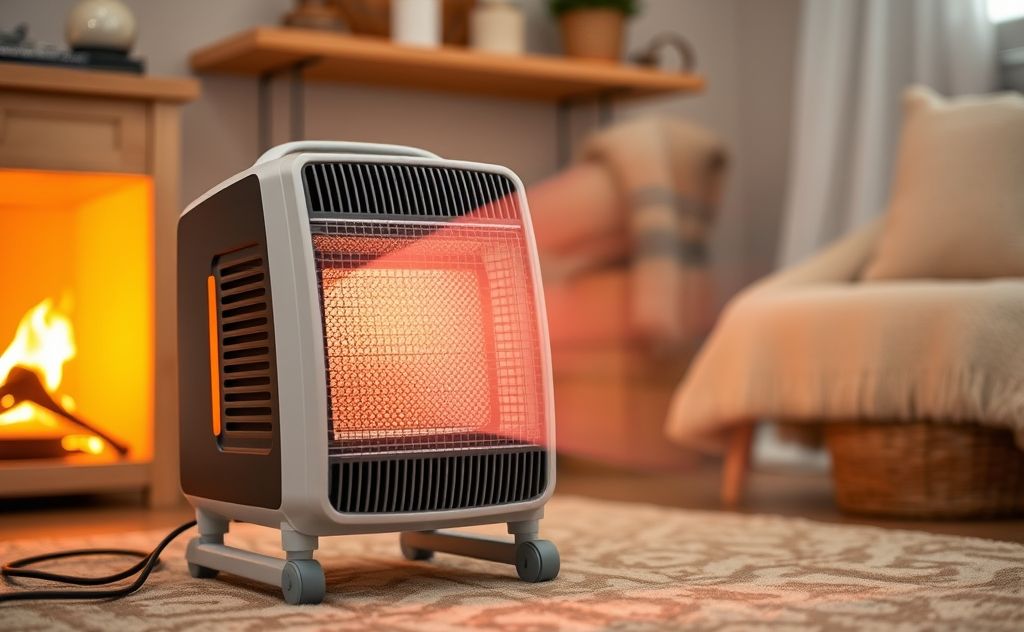
How Portable Heaters Consume Energy
All portable heaters convert energy into heat, but methods vary by type. The three most common technologies each have distinct power characteristics:
Electric Resistance Heaters
These popular models use 100% of their wattage in heat production. A 1500W unit running 8 hours daily consumes 12 kWh (1500W × 8h ÷ 1000), costing about $1.96 at $0.163/kWh. They’re simple but expensive for continuous use.
Oil-Filled Radiators

Oil heaters like Delonghi models use electricity to heat thermal oil, which then radiates warmth. They cycle on/off after reaching temperature, using 20-30% less energy than constant-run resistance heaters.
Ceramic Heaters
Ceramic elements heat quickly and distribute warmth efficiently. Many include fans to circulate air, allowing lower thermostat settings. Advanced models like these ceramic units can reduce energy use by 15% versus basic coils.
Key Factors Affecting Energy Consumption
| Factor | Impact | Savings Tip |
|---|---|---|
| Wattage | Higher wattage = more energy use | Match heater size to room dimensions |
| Usage Duration | Longer runtime increases costs | Use timers and only heat occupied spaces |
| Temperature Setting | Each degree higher raises cost 3-5% | Set thermostat to 68°F (20°C) maximum |
| Room Insulation | Poor insulation wastes 25-30% heat | Seal windows and add insulation |
Calculating Your Heater’s Energy Costs
Follow this simple formula to estimate operating expenses:
- Check heater wattage (found on label)
- Multiply watts by hours used daily
- Divide by 1000 to get kWh
- Multiply by your electricity rate
Example for 1500W heater used 5 hours/day at $0.15/kWh:
1500 × 5 = 7500
7500 ÷ 1000 = 7.5 kWh
7.5 × 0.15 = $1.13 per day
Energy-Saving Strategies
Smart Placement
Position heaters near seating areas rather than walls. Keep 3 feet clearance from furniture and curtains. Avoid placing on cold floors – elevate on stands for better airflow.
Supplemental Heating
Use portable heaters to boost central heating in occupied rooms rather than heating entire homes. The U.S. Department of Energy recommends this zone heating approach.
Maintenance Matters
Clean filters monthly and check for dust buildup. A well-maintained heater operates 5-10% more efficiently. For oil-filled models, ensure proper oil levels per manufacturer guidelines.
Comparing Heater Types
Consider these alternatives for different needs:
- Infrared heaters: Best for spot heating, 30-40% more efficient than convection for personal use
- Propane heaters: Good for outdoor/well-ventilated spaces; see safety considerations
- Micathermic panels: Combine radiant and convection heat with quick warm-up times
Safety Considerations
High energy use creates potential hazards:
- Never use extension cords – plug directly into outlets
- Ensure circuits can handle load (1500W = 12.5 amps at 120V)
- Look for tip-over and overheat protection
- Keep 3-foot clearance from combustibles
The Consumer Product Safety Commission reports space heaters cause 1,700 fires annually. Modern safety features reduce risks when used properly.
Long-Term Cost Analysis
While portable heaters solve immediate needs, consider permanent solutions for frequent use:
- Baseboard heaters provide consistent zone heating
- Ductless mini-splits offer 200-300% efficiency
- Programmable thermostats optimize central heating
For those considering oil-filled radiators, our comparison guide details long-term operating costs versus other options.
“`
Related pick: Check price on Amazon
More space heaters guides on HeaterGuides.