

Gas water heaters remain common, but they aren’t always the best choice. Their speed and familiarity come with trade-offs you should know before buying.
This article covers the seven major drawbacks of gas water heating systems, helping you weigh the risks, costs, and maintenance against alternatives.
7 Major Drawbacks of Gas Water Heating Systems
The seven major drawbacks of gas water heating systems are standby heat loss, combustion safety hazards, regular maintenance, complicated installation, fuel-price swings, large space requirements, and uneven hot-water delivery. Gas can heat water quickly and may work during a power outage, but those benefits don’t erase the cost, venting, fuel and service demands that electric and heat pump models often avoid.
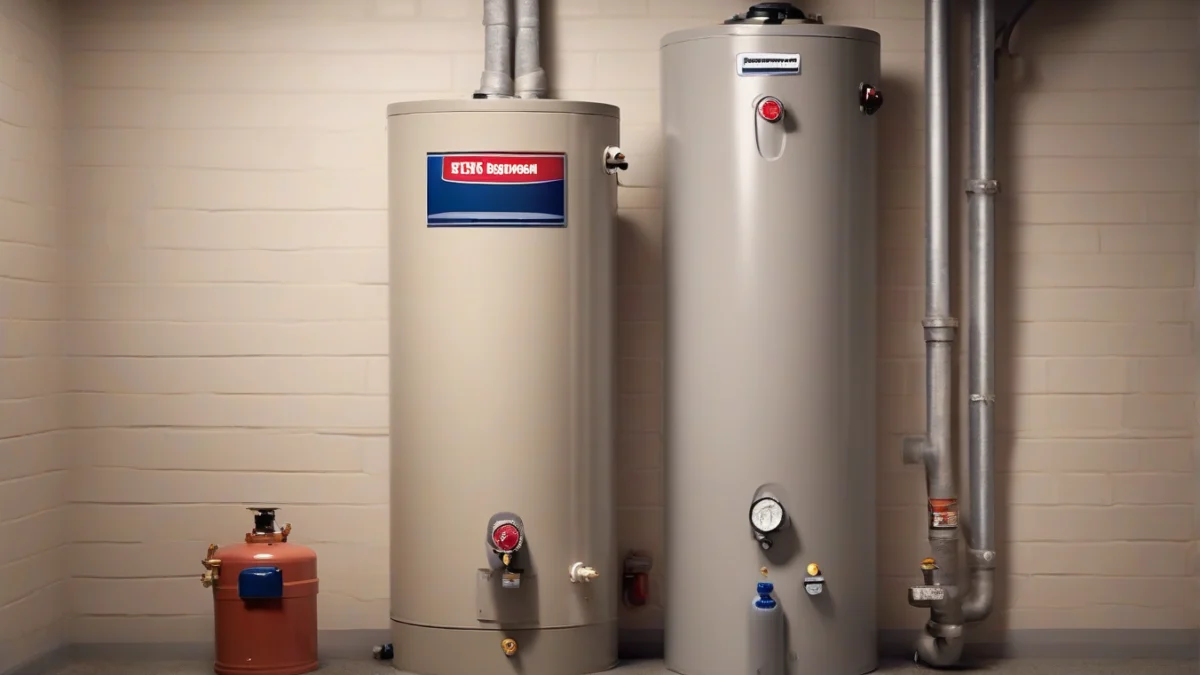
- Standby heat loss wastes energy in tank models.
- Combustion creates carbon monoxide, gas-leak and explosion hazards.
- Burners, vents and safety controls need regular maintenance.
- Gas lines, venting and clearances make installation more involved and expensive.
- Natural gas and propane prices can change, so operating costs aren’t fixed.
- A tank and its venting take a dedicated amount of floor and overhead space.
- Tank models can run out, while tankless models can struggle with flow and simultaneous demand.
1. Standby Heat Loss Cuts Efficiency
A gas tank water heater loses heat while it waits, even when nobody is using hot water. The burner periodically reheats the stored water, and some heat also escapes through the tank and flue; that standby heat loss lowers energy efficiency compared with a system that heats water only when needed.
2. Combustion Adds Serious Safety Risks
A gas water heater can produce carbon monoxide if combustion is incomplete or ventilation is blocked, while a damaged connection can release gas and create a fire or explosion hazard. The pilot light, gas valve, burner and flue collar all need to work together; a yellow flame, soot, unusual odor or headache near the heater deserves prompt attention, not a wait-and-see approach.
3. Maintenance Is More Demanding
Gas models need more than an occasional temperature check. Maintenance can include checking the pilot light and gas valve, inspecting the burner and ventilation path, flushing sediment, and checking the anode rod in a tank unit; hard water and high mineral content can shorten the life of the tank and heat exchanger.
A tank water heater commonly lasts about 8 to 12 years, while a tankless gas model may last roughly 15 to 20 years when serviced properly. Water quality, installation, usage and neglected maintenance can move either figure substantially.
4. Installation Needs Gas and Venting Work
Installation costs more because the heater may need a gas supply, combustion-air provisions, a flue or direct-vent system, proper clearances and sometimes electrical power for a power-vent model. Moving the unit can also mean changing gas piping and the vent route, so a like-for-like replacement isn’t always a simple swap.
A licensed plumber or gas professional should handle gas connections, venting and combustion setup. The wrong vent material, slope or termination can send combustion gases indoors or make the heater operate poorly.
5. Fuel Prices Make Costs Uncertain
Gas water heating isn’t automatically cheaper than electric water heating; the answer depends on fuel price, efficiency and how much hot water you use. Natural gas generally costs less than propane, but propane can cost more per unit of delivered heat, and either fuel can become expensive during a price spike.
To compare your bills, multiply fuel used by the delivered fuel rate, then include service and venting costs. A low monthly gas bill can look less attractive after a burner repair, annual service visit or an expensive vent replacement.
6. The Equipment Takes Dedicated Space
A gas tank needs room for the tank itself, the burner area, required clearances and the vent path above it. A tankless unit uses less storage space, but it still needs gas-capacity checks, venting, service access and enough wall area; compact does not mean installation-free.
7. Hot Water Delivery Has Limits
Tank models can run out when several people shower, wash dishes and use laundry close together, and hot water may take time to reach a distant faucet. Recovery is fast because the burner heats from the bottom, but the stored supply is still finite.
Tankless models remove most standby loss, yet their flow sensor and heat exchanger can serve only so much water at once. A unit may reduce its output or deliver cooler water when multiple fixtures exceed its flow capacity, especially when incoming winter water is cold.
How Gas Water Heater Running Costs and Lifespan Compare
Gas water heater operating costs vary with local fuel prices, efficiency and usage, while a tank unit commonly lasts about 8–12 years. An electric tank often lasts roughly 10–15 years, and a tankless gas water heater can last around 15–20 years when maintained properly. Those are planning ranges, not a promise stamped on the side of the tank.
Natural gas generally costs less than propane, but gas isn’t automatically cheaper than electricity. Compare the fuel rate in your area with each heater’s efficiency, then include service, venting and eventual replacement costs. A gas tank can heat water quickly and may keep heating during a power outage, yet its burner still sends some heat up the flue and loses heat from the stored water.
Calculate Standby Loss Before Comparing Bills
A tank water heater uses energy while nobody is drawing hot water because the burner replaces heat that escapes through the tank and vent. Find the unit’s standby-loss figure or annual energy estimate on its label or specification sheet; then convert the lost heat into therms before applying your gas rate.
The example shows why a low gas rate doesn’t erase standby loss: the tank pays that heat penalty every day, even during vacations or quiet weeks. A tankless unit avoids storing a full tank, so it avoids storage standby loss, but its flow sensor, heat exchanger and burner still consume fuel during each hot-water draw.
| Heater type | Typical planning lifespan | Cost pattern |
|---|---|---|
| Gas tank | About 8–12 years | Fuel use includes standby loss; service includes combustion and tank components |
| Electric tank | About 10–15 years | No burner or flue, but stored water still creates standby loss |
| Tankless gas | About 15–20 years | Little storage loss; installation and periodic heat-exchanger service can cost more |
Maintenance adds to the ownership cost on a schedule, not only when the heater stops. Plan on periodic inspection of the pilot light, gas valve, venting and burner area, plus checking the anode rod and flushing sediment according to the manufacturer’s instructions. Hard or dirty water can shorten tank and heat-exchanger life; neglected service can turn a small part into a replacement decision.
Safety Risks of Gas Water Heaters and How to Mitigate Them
Gas water heater safety concerns center on carbon monoxide, gas leaks and combustion gases, and a gas water heater carbon monoxide risk rises when ventilation is blocked or the burner fails to vent correctly. A gas leak may smell like rotten eggs, sound like hissing near the gas valve or piping, or leave you uneasy around the appliance; leave first and investigate from outside.
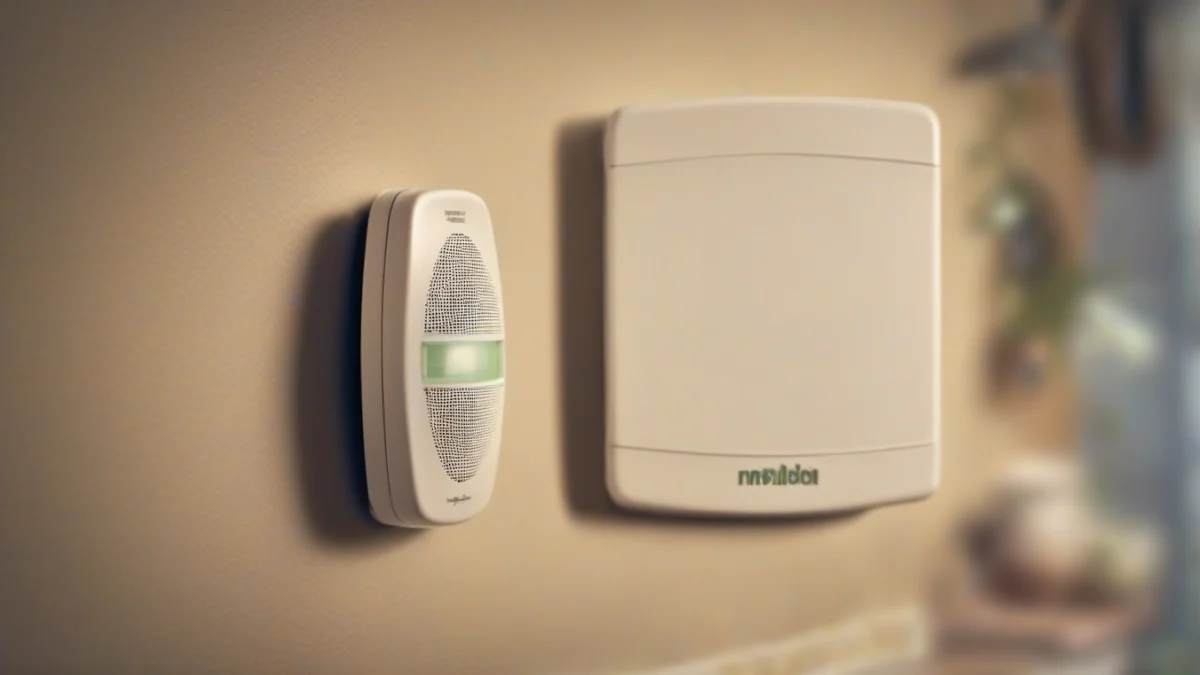
Why Ventilation Matters
The burner uses gas to heat the tank, and combustion produces hot exhaust gases that must leave through the flue. Proper ventilation carries those gases outdoors; a blocked, disconnected or incorrectly sized vent can send them into the room instead. Power-vent and direct-vent models use different venting arrangements, so don’t alter the flue collar or substitute vent materials without following the manufacturer’s instructions.
A working CO alarm is a separate layer of protection, not a replacement for a sound vent and burner. Install alarms according to local code and the alarm maker’s instructions, test them regularly, replace batteries as specified, and replace the alarm when its service life ends. A combustible-gas detector can help identify a leak, but it can’t detect carbon monoxide.
Recognize a Gas Leak Quickly
| Sign | Safe response |
|---|---|
| Rotten-egg odor | Don’t light anything or operate switches; leave and call the gas utility or emergency services from outside. |
| Hissing near the gas valve or pipe | Leave immediately and report a suspected leak from outdoors. |
| Repeated pilot-light outage or unusual burner operation | Turn the appliance off if you can do so without risk, leave the area and arrange professional service. |
Keep Installation and Service Safe
A licensed plumber should handle gas connections, venting changes and combustion adjustments in most places. Keep the area around the water heater clear, never store gasoline or other flammables beside it, and don’t cap or modify the vent. Annual professional inspection is sensible when the unit has recurring pilot-light problems, soot, damaged venting or a failing gas valve.
A gas water heater can keep heating during a power outage when its heating system doesn’t rely on electricity, but that doesn’t make a suspected leak or venting fault safe to use. Shut it down and call a qualified professional instead of treating the outage as a reason to bypass a safety control.
Specific Challenges of Tankless Gas Water Heaters
The main tankless gas water heater drawbacks are flow-rate limits, inconsistent temperature during stop-and-start use, descaling, and costly venting or gas-line upgrades. A tankless water heater flow rate may handle one shower well but struggle when a shower, washing machine and kitchen faucet demand hot water at the same time.
Check Flow Rate Before Choosing Tankless
A tankless unit heats water only as it passes through a heat exchanger, and its flow sensor starts the burner when water moves. More demand means less temperature rise available at each fixture, so the water may turn lukewarm instead of giving every tap unlimited hot water. The label’s maximum flow rate is only useful when the incoming water temperature and desired outlet temperature match the manufacturer’s test conditions.
| Hot-water demand | What can happen |
|---|---|
| One shower | Usually the simplest load for a correctly sized unit. |
| Two showers | May reduce available temperature or require a larger unit. |
| Shower plus faucet or appliance | Can push the heater past its practical flow limit. |
| Several fixtures starting together | Temperature may fluctuate or the unit may fail to activate at a very low flow. |
Watch For The Cold Water Sandwich
A cold water sandwich is a brief burst of cool water between two hot-water draws. The first fixture stops, the burner shuts down, and water sitting in the pipe cools; when another fixture starts soon after, that cooled water reaches you before the heat exchanger and burner catch up. Staggering showers and avoiding rapid on-off faucet use can reduce the annoyance, but the design cannot remove every temperature transition.
Plan For Descaling And Service
Hard-water minerals can collect inside the heat exchanger, restricting water flow and reducing heat transfer. A technician may need to isolate the unit and circulate approved descaling solution through it; the interval depends on water quality, usage and the manufacturer’s instructions. Ignoring scale can turn a small maintenance job into poor heating, error codes or an early heat-exchanger failure.
Budget For Gas And Venting Changes
Replacing a tank with a tankless gas model may require a larger gas supply, a new shutoff arrangement and dedicated venting. High burner demand can exceed an existing gas line’s capacity, while the vent system must match the new appliance’s listed design; a traditional tank vent cannot simply be assumed suitable. Have a licensed plumber or qualified gas professional verify the gas line, combustion air, condensate requirements and vent route before you buy.
Which Homes Should Skip Gas Water Heating Systems
Skip a gas water heater if your home has no safe vent route, no existing gas service, or a strong preference for low-maintenance electric equipment. An electric tank is the simplest replacement in many of those homes; a heat pump water heater can reduce energy use where the installation space and climate suit it.
Small spaces deserve a hard stop, not a clever workaround. A gas burner consumes fuel and produces combustion gases, so the heater needs the ventilation and clearances specified by its listing and local code; a closet with no compliant vent path isn’t a place to squeeze one in.
Homes without gas service should compare the whole installation, not the burner’s fuel price alone. New gas piping, venting, permits, and possibly a power vent can erase the operating-cost advantage, while an electric tank usually connects to the home’s existing electrical service with fewer fuel-system parts. A propane model avoids a natural-gas connection, but adds a tank and fuel-delivery dependence.
| Your situation | Better starting point | Why |
|---|---|---|
| No vent route or tight indoor space | Electric tank | No combustion gases or fuel vent is required. |
| Existing gas line and outdoor vent path | Gas tank | The fuel infrastructure is already in place. |
| Electric-only home with suitable space | Heat pump water heater | It uses electricity and can lower energy use compared with resistance heating. |
| Hard water and high simultaneous demand | Electric tank or treated-water system | A storage tank avoids putting every demand through a gas heat exchanger; water treatment still needs proper sizing and maintenance. |
Water quality can change the decision even when gas service is already available. Sediment can foul the burner area or tank components, while mineral scale can restrict flow and insulate a heat exchanger; a home with hard water should budget for treatment, flushing, and more frequent service rather than assuming a tankless gas unit will stay trouble-free.
Choose gas only when the home already has suitable fuel service, a legal vent route, enough installation space, and someone willing to maintain combustion equipment. If those conditions are missing, compare the alternatives in the best heating systems for your home guide before paying to build an infrastructure problem around a water heater.
Frequently Asked Questions
What Are the Signs of a Gas Leak Near a Water Heater?
Can Gas Water Heaters Work During a Power Outage?
How Does Water Quality Affect the Lifespan of a Gas Water Heater?
Are Tankless Gas Water Heaters More Energy Efficient Than Tank Models?

I am a mechanical engineer and love doing research on different home and outdoor heating options. When I am not working, I love spending time with my family and friends. I also enjoy blogging about my findings and helping others to find the best heating options for their needs.
Related guides
Best Pipes for Hot Water in Central Heating Systems
Common types of pipes used for transporting hot water in central heating include copper, PEX, and PVC, each…

How to Adjust Hot Water Temperature in Central Heating
To adjust the hot water temperature in central heating, locate the thermostat or boiler control, then set the…
Best Practices for Hot Water in Central Heating
Getting the most from your central heating system isn't just about turning up the thermostat. It's a careful…