

The main types of radiators used for heating central hot water systems are panel radiators, column radiators, and towel radiators, each offering distinct heating benefits.
Choosing the right radiator for your central hot water heating system impacts comfort, efficiency, and energy costs. This guide explores the main types of radiators, their materials, temperature compatibility, and ideal applications.

Q-Hillstar
Quiet Energy Saving Hot Water Radiator, 8-Panel…
- Efficient Heating. The 8-panel heater(22.84*3.66*22.36 in ) can produce heat up to 4,700 BTUs. Side baffles allow for even airflow…
- Energy Saving, No Noise. The hot water radiator is connected to the boiler or central heating system, circulating hot water to tra…
- High Quality. The radiator is made from scratch-free aluminum with high thermal conductivity. Surface baked paint avoids peeling a…
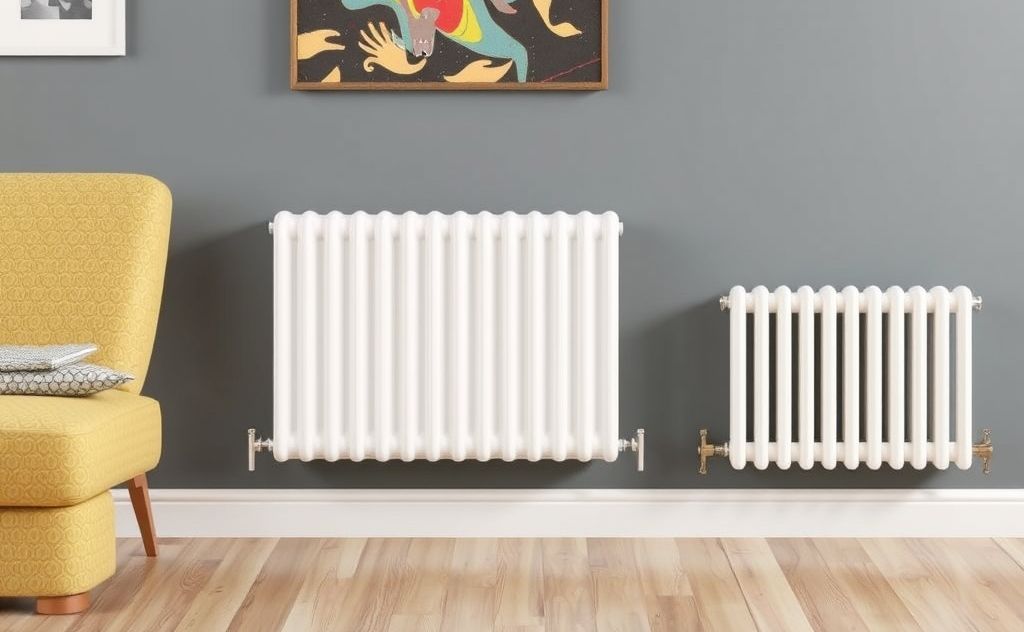
High vs. Low Temperature Hot Water Radiators
Hot water radiators are categorized by their operating temperature ranges:
High Temperature Radiators (70-90°C)
- Heat water between 70-90°C
- Generally more affordable upfront
- Work best with traditional boilers
- Less energy efficient than low temp models
Low Temperature Radiators (45-50°C)
- Operate at 45-50°C water temperature
- 30% more energy efficient
- Require larger surface area to deliver same heat output
- Best paired with heat pumps or condensing boilers
| Feature | High Temp | Low Temp |
|---|---|---|
| Energy Efficiency | Lower | Higher |
| Boiler Compatibility | Traditional | Condensing/Heat Pumps |
| Response Time | Faster | Slower |
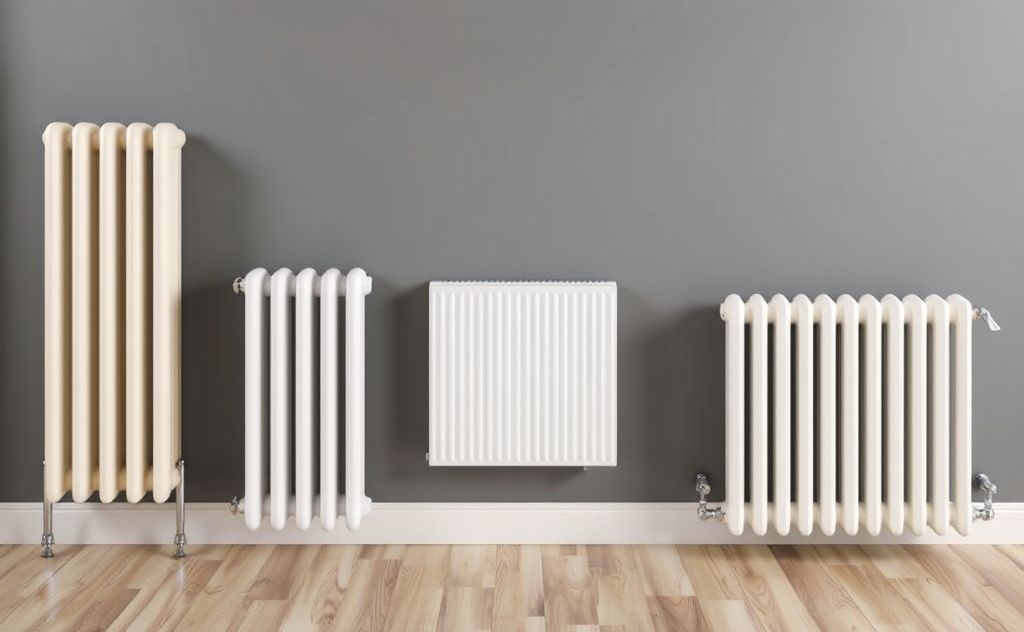
Radiator Materials Compared
Cast Iron Radiators
- Excellent heat retention (continues heating after shutoff)
- Slow to heat up (30-60 minutes)
- Very heavy (hard to install)
- Classic vintage appearance
Steel Radiators
- Faster heat-up than cast iron (15-20 minutes)
- More affordable than aluminum
- Available in panel or column designs
- Prone to corrosion if not maintained
Aluminum Radiators
- Fastest heat-up time (5-10 minutes)
- Lightweight and easy to install
- Excellent heat conduction
- Higher cost than steel
For modern designs, consider contemporary radiator materials that combine efficiency with aesthetics.
Specialty Radiator Types
Towel Warmers
Popular in bathrooms, these dual-purpose radiators provide heat while drying towels. Available in:
- Ladder-style designs
- Curved models
- Electric or hydronic versions
Convector Radiators
These use internal fins to maximize heat output through convection:
- 25-30% more efficient than standard radiators
- Slender profiles save space
- Available as baseboard or wall-mounted units
Designer Radiators
High-end models that serve as functional art pieces:
- Vertical column radiators
- Custom color options
- Unique shapes and configurations
Choosing the Right Radiator
Consider these factors when selecting radiators:
- Room Usage – Bathrooms need higher heat output than bedrooms
- Window Placement – Radiators are often placed under windows
- Existing System – Match radiator type to your boiler capacity
- Heat Requirements – Calculate BTU needs for each space
For precise temperature control, pair your radiators with a smart thermostat system.
Maintenance Tips
Proper care extends radiator lifespan:
- Bleed air from radiators annually
- Clean between fins regularly
- Check for leaks at connection points
- Consider a system flush every 5-7 years
Newer models with smart technology can self-diagnose issues and adjust performance based on usage patterns.
Related pick: Check today's price on Amazon

I am a mechanical engineer and love doing research on different home and outdoor heating options. When I am not working, I love spending time with my family and friends. I also enjoy blogging about my findings and helping others to find the best heating options for their needs.
Related guides

How To Heat Central Hot Water Economically: 12 Proven Tips
To heat central hot water economically, consider using a high-efficiency water heater, optimizing insulation, and utilizing off-peak electricity…
Best Pipes for Hot Water in Central Heating Systems
Common types of pipes used for transporting hot water in central heating include copper, PEX, and PVC, each…
How To Choose The Perfect Temperature Control System For Central Heating
To choose the right temperature control system for hot water in central heating, consider compatibility, energy efficiency, user…
