You know that feeling — stepping out of bed onto an ice-cold floor in the middle of winter. You shuffle to the bathroom, toes curled, dreading every step. Radiators blast hot air, but your feet stay frozen. That’s where underfloor hot water heating changes the game. Instead of heating air that rises to the ceiling, it warms the floor itself, then radiates heat upward evenly. No more cold zones, no more wasted energy.
This article walks you through the seven real benefits of installing hydronic underfloor heating. You’ll learn how it saves money, improves comfort, and fits different home types. I’ll also point out a practical electric alternative for rooms where running water pipes isn’t possible. By the end, you’ll know whether this system belongs on your shortlist.

LuxHeat
LuxHeat 40sqft Electric Radiant Floor Heating System…
- LUXURY AND COMFORT - Enjoy the warmth of LuxHeat's easy to install electric floor heating system. Electric floor heating promotes…
- DESIGN FLEXIBILITY - LuxHeat's floor heating cable with Prova Flex-Heat membrane, provides the ultimate 3 in 1 solution - Heated f…
- CONTROL - OJ Microlines toushscreen programmable thermostat (UDG4-4999) - Offers a sleek, modern design with intuitive control. Th…
If you’ve already decided radiant floor heating is for you but hydronic piping isn’t feasible in a small bathroom or retrofit, an electric system like the LuxHeat 40sqft Electric Radiant Floor Heating Kit offers a plug-and-play solution. It includes a programmable thermostat with GFCI protection, uncoupling membrane, and heating cable — everything you need to install under tile without running hot water lines.
1. Lower Operating Costs and Better Efficiency
Hydronic underfloor heating runs at water temperatures between 85°F and 130°F. Compare that to a standard radiator system that needs 140°F–180°F water. Because the heat source doesn’t have to work as hard, your boiler or heat pump uses less fuel. Real-world data from the U.S. Department of Energy shows that radiant floor systems can cut heating bills by 10–30% compared to forced air.
You also lose almost no heat through ductwork. Forced-air systems bleed 20–30% of heated air through leaky ducts. Underfloor loops don’t have ducts. The heat goes straight into the thermal mass of the floor slab, which slowly releases warmth over hours. That means your boiler runs less frequently, especially during shoulder seasons.
One trade-off: if you live in a poorly insulated house, you’ll lose some of that advantage. The system works best when the floor is insulated underneath. Otherwise, heat dumps into the ground. Budget for proper subfloor insulation — it pays back in two or three winters.
2. Even, Draft-Free Comfort
Forced air blows hot air at ceiling level. The floor stays cold. Hydronic underfloor heating fixes that by warming the entire floor surface. Temperature from floor to ceiling varies by only a few degrees — typically 70°F at the floor and 68°F at head height. That’s why it feels so comfortable. No drafts, no hot spots near vents, no cold corners.
You can walk barefoot in January and feel warm. Hard surfaces like tile, stone, or wood hold heat well. Carpet works too, but the R-value of the carpet and padding reduces heat output — stick to low-pile carpet if you want the floor to actually feel warm.
Because the heat is at your feet, you can set the thermostat 2–4°F lower than with forced air and still feel just as comfortable. Every degree lower on the thermostat cuts heating costs by about 3%. So that’s a double saving: lower water temperature and lower room temperature setpoint.
3. Quiet Operation and Cleaner Air
Hydronic systems are silent. No blower fan, no duct rumble, no clicking thermostat. The only sound is the occasional gurgle of water moving through the manifold — and that’s usually inaudible behind a wall panel. If you’re sensitive to noise while sleeping or working, this is a huge benefit.
Forced air circulates dust, pollen, pet dander, and mold spores through ducts. It stirs up particles every time the fan kicks on. Underfloor heating does not move air. It relies on radiant heat transfer. That means less airborne dust and fewer allergy triggers. For anyone with asthma or dust allergies, this alone justifies the upgrade.
One caveat: you still need ventilation. Your house must exchange stale indoor air with fresh outdoor air. But you can handle that with a dedicated HRV or ERV system instead of relying on leaky ducts.
4. Design Freedom and Flooring Compatibility
No radiators on walls means you can put furniture anywhere. No floor registers to work around. You can install wall-to-wall bookshelves, put a couch against an exterior wall, or design an open-concept layout without thinking about heat distribution. The entire floor is the heat emitter.
Hydronic loops work with almost every flooring material. Tile and stone are ideal — they conduct heat well and store it. Engineered hardwood and laminate are compatible if the manufacturer allows floor temperatures below 82°F. Luxury vinyl plank and sheet vinyl work too, but you need a flat subfloor and often a decoupling membrane. Avoid solid hardwood — the temperature fluctuations can cause cupping and gaps.
If you’re retrofitting into an existing slab, you can pour thin-set over the loops or install overlay panels. For wood-framed floors, staple-up or joist-track systems run the tubing underneath the subfloor. Each method has its own cost and labor profile, so talk to a local installer about what fits your framing.
5. Zoning Control and Smart Thermostat Integration
With hydronic underfloor heating, you can split your house into zones — each with its own thermostat and manifold loop. A master bedroom might be set to 68°F, while a rarely used guest room stays at 60°F. That’s not practical with a single forced-air furnace that treats the whole house as one zone.
Modern programmable thermostats let you schedule each zone by day and time. Some models even learn your routine and adjust automatically. You can pair them with a smart home system to geofence — the heating drops when your phone leaves the house and ramps up when you’re 20 minutes away.
Integration with heat pumps is straightforward. Many air-to-water heat pumps pair directly with hydronic distribution, giving you an all-electric heating solution that qualifies for federal tax credits in the U.S. Check the ENERGY STAR or CEE ratings before buying.
6. Increased Property Value and Market Appeal
Radiant floor heating is a premium feature. Buyers who’ve experienced it often list it as a must-have. Real estate agents tell me it’s a strong selling point in colder climates. Even in mild regions, the energy savings and comfort add perceived value.
A 2026 study by the National Association of Realtors estimated that radiant floor heating recovers 60–70% of its cost at resale. That’s higher than many other home improvements. If you plan to stay in your home for five years or more, the payback from lower energy bills alone will likely cover the upfront investment.
The key is to install it properly — certified installers, pressure-tested loops, good insulation under the slab. Poor installation creates cold spots, leaks, or system failure that can hurt resale value. Hire someone with at least five years of hydronic experience, not a general handyman.
7. System Longevity and Low Maintenance
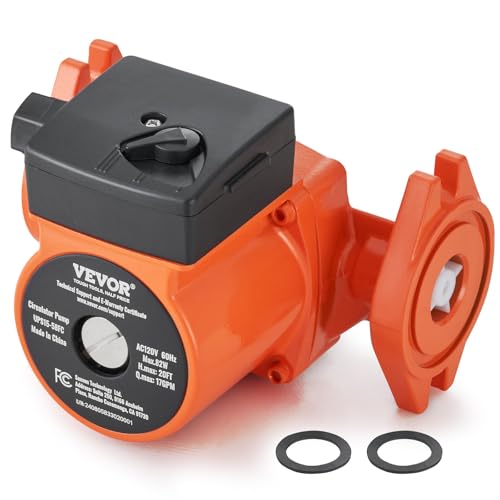
A well-installed hydronic loop buried in a concrete slab or underneath a subfloor can last 50 years or more. PEX tubing doesn’t corrode, doesn’t scale like copper, and resists freeze damage better than metal pipes. The only moving parts are the circulator pump and the mixing valve — both are cheap and easy to replace.
Maintenance is minimal. Once a year, check the system pressure and look for leaks at the manifold connections. Drain and flush the system every five years to remove any debris or air. That’s about it. Compare that to a forced-air furnace that needs filter changes every three months and a full HVAC checkup annually.
If you use a boiler for both heating and domestic hot water, you’ll need annual boiler servicing anyway. That’s the same for any hydronic system. But the floor loops themselves are nearly maintenance-free.
Hydronic vs. Electric vs. Forced Air — Quick Comparison
| Feature | Hydronic Underfloor | Electric Underfloor | Forced Air |
|---|---|---|---|
| Installation cost (per sqft) | $8–$15 | $5–$10 | $2–$5 |
| Operating cost (annual) | Low (gas boiler) to moderate (heat pump) | Moderate to high (resistive electric) | Moderate (gas furnace) |
| Comfort (floor temp) | Excellent, even 85–130°F | Excellent, even | Poor, cold floor |
| Air quality | No air movement, clean | No air movement, clean | Dust circulation, filters needed |
| System lifespan | 50+ years | 20–30 years | 15–20 years |
| Retrofit difficulty | High (break slab or add subfloor) | Low (thin mats over subfloor) | Medium (ductwork in attic/crawl) |
| Best flooring | Tile, stone, engineered wood | Tile, stone, LVP (with membrane) | Any |
Note: Costs are U.S. national averages as of 2026. Your local rates will vary. Electric underfloor can be cheaper to install but costs more to run unless you pair it with solar panels or time-of-use electricity rates.
Frequently Asked Questions
Can I install hydronic underfloor heating under an existing concrete slab?
Yes, but it’s messy. You either pour a thin overlay slab (1.5–2 inches) on top of the existing slab after routing the tubing, or you cut channels into the slab itself. The overlay method is more common. It raises floor height by about 2 inches, which means door thresholds and cabinet toe kicks need adjustment. Your best bet is to consult a structural engineer to confirm the slab can handle the extra weight.
Will hydronic underfloor heating work with a heat pump?
Absolutely. Air-to-water heat pumps are designed for low-temperature hydronic systems. You need a buffer tank and a control to match the heat pump’s output to the floor loops. Many manufacturers offer pre-packaged units. The combination qualifies for the 26% federal tax credit (check current IRS rules). With a heat pump, your operating cost drops significantly compared to gas or electric resistance.
How much does a typical hydronic system cost for a 2,000 sqft home?
A rough ballpark is $12,000–$20,000 installed, depending on the floor construction, insulation, boiler choice, and number of zones. That includes the boiler, manifold, tubing, thermostat, and installation labor. It’s higher than forced air but remember: you get a boiler suitable for domestic hot water too, so you can subtract a water heater cost. Get at least three quotes from licensed contractors.
Can I use hydronic underfloor heating under hardwood floors?
Yes, but only engineered hardwood that the manufacturer has tested for radiant heating. Solid hardwood reacts to temperature changes — it expands, contracts, and can cup. Keep the maximum floor surface temperature below 82°F and follow the wood manufacturer’s guidelines. Wider planks (5 inches or more) are riskier. Use a floor sensor to prevent overheating.
Is underfloor hot water heating safe for homes with young children or pets?
Safer than radiators or space heaters. The floor surface temperature stays below 85°F — warm to the touch but not hot enough to burn skin. No exposed pipes, no sharp edges. Pets love lying on warm floors. The only safety concern is if you have electric cables (not water) and a pet chews through them — that’s an electrocution risk, but water loops eliminate that risk entirely.
What You Should Do Next
If you’re serious about underfloor hot water heating, start with an energy audit or heat-loss calculation for your house. That tells you the required output per room. Then gather three quotes from hydronic specialists. Ask each for a reference from a job at least two years old — call that homeowner and ask about comfort and any issues.
- Choose hydronic if you have a gas boiler, a heat pump, or plan to replace your water heater — the system pays back in energy savings.
- Consider an electric system like the LuxHeat kit for small retrofits (bathroom, laundry room) where running pipes is impractical.
- Always insulate under the slab or between floor joists. Without it, up to 40% of the heat goes into the ground.
- Use a programmable thermostat with floor-sensing capability — it prevents the floor from getting too hot and protects sensitive flooring.
- Zone the house by activity: bedrooms, living areas, and rarely used spaces each get their own loop and thermostat.
- Plan for future maintenance: install shut-off valves at each manifold loop so you can isolate a room without draining the whole system.
- Don’t forget about humidity control in summer — hydronic heating doesn’t cool, so you’ll still need an AC or a heat pump for cooling.

I am a mechanical engineer and love doing research on different home and outdoor heating options. When I am not working, I love spending time with my family and friends. I also enjoy blogging about my findings and helping others to find the best heating options for their needs.
Related guides

How to Heat Water Centrally: Complete Home Guide
To heat hot water centrally, install a boiler or water heater that distributes heated water through pipes to…
How To Choose The Perfect Temperature Control System For Central Heating
To choose the right temperature control system for hot water in central heating, consider compatibility, energy efficiency, user…
7 Key Benefits of Instant Hot Water in Central Heating
Instant hot water in central heating systems offers energy efficiency, reduced waiting times, consistent temperature control, and lower…