

You turn on the shower, expecting a steady stream of warmth, only to be met with a sudden chill. Its a frustrating and all-too-common problem. The issue usually boils down to two core possibilities: your water heaters tank is simply too small for your households needs, or its ability to reheat waterits recovery rateis compromised.
Diagnosing the correct problem is the first step toward a reliable solution. This guide will help you distinguish between a capacity issue and a recovery problem. Well walk through practical checks and clear solutions, from simple adjustments to considering a replacement. If a new unit is in your future, many find that an Upgrade Water Heater offers the improved performance needed for modern hot water demand.
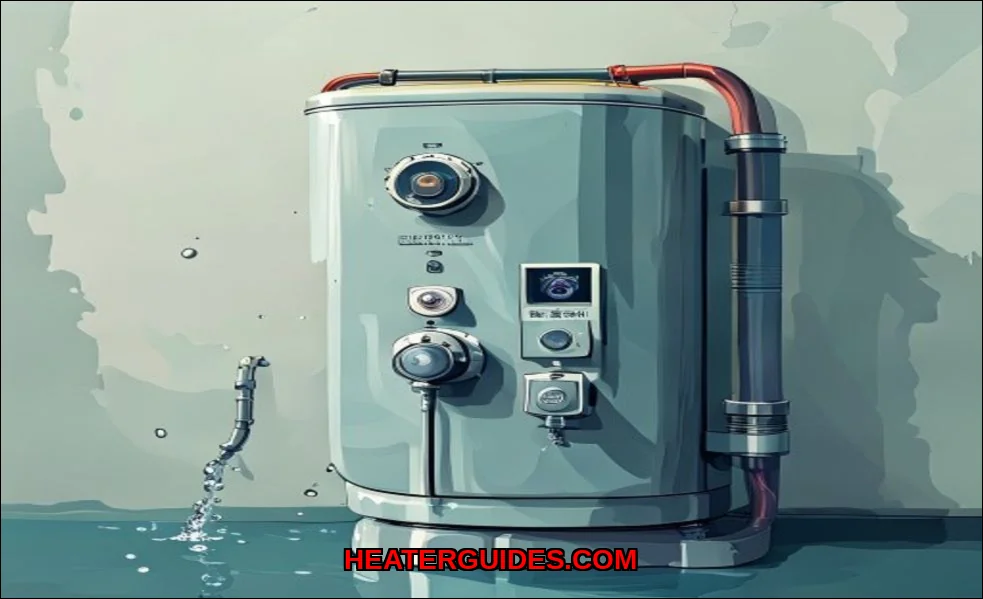
Understanding the Core Problem: Size vs. Recovery
Think of your water heaters tank as a reservoir of hot water. Two factors determine if it runs dry: how much it holds and how fast it refills with newly heated water.
An undersized tank means the reservoir itself is too small. You might have enough hot water for one shower, but a second person trying to shower, run the dishwasher, or do laundry at the same time will deplete it instantly. The tank is emptied faster than it can possibly recover.
A slow recovery rate means the refill process is too slow. Even a adequately sized tank cant keep up because the system takes too long to heat incoming cold water. This is often caused by mechanical issues like a faulty heating element, sediment buildup, or an incorrect thermostat setting.
Key Terms That Explain Performance
To diagnose effectively, it helps to know the language on your water heaters label.
- First Hour Rating (FHR): The most important number for sizing. It tells you how many gallons of hot water the heater can deliver in one hour, starting with a full tank. This accounts for both tank capacity and recovery rate.
- Recovery Rate: How many gallons per hour the heater can heat by a specified temperature rise (usually 90F). A higher rate means faster reheating.
- Temperature Rise: The difference between the incoming groundwater temperature and your desired output temperature. A colder groundwater temperature requires a heater with a higher recovery rate to achieve the same output.
How to Diagnose Which Issue You Have
Start by observing your hot water usage patterns. This simple analysis can point you in the right direction before you check anything mechanical.
This article is part of our bigger Bradford White Water Heater Troubleshooting & Repair Guide hub.
Symptoms of an Undersized Water Heater
- Hot water runs out quickly only when multiple fixtures or appliances are used simultaneously (e.g., shower and washing machine).
- The problem is consistent and has existed since you moved in or your household size increased.
- You have enough hot water for spaced-out tasks but not for back-to-back showers.
This is fundamentally a mismatch between your hot water demand and the units capacity. A growing family or the addition of a high-flow showerhead can create this mismatch.
Symptoms of a Recovery Rate Problem
- Not enough hot water even for a single, moderately long showerthe shower gets cold unexpectedly.
- The recovery time between uses seems excessively long.
- The problem has developed or worsened over time.
- You may hear unusual rumbling or popping sounds from the tank (indicating sediment).
These signs suggest the heaters internal components are failing to do their job efficiently.
Conduct a Simple Simultaneous Use Test
This test helps isolate the issue. On a typical morning, time how long you get hot water from a single shower. The next day, run the shower and a hot water faucet in another bathroom at the same time.
- If hot water runs out dramatically faster with two fixtures, the tank is likely too small.
- If it runs out nearly as fast with just one fixture, the recovery rate is probably the culprit.
Step-by-Step Solutions for an Undersized Water Heater
If your diagnosis points to capacity, you have several paths forward, from behavioral changes to equipment upgrades.
1. Reduce Immediate Demand
This is a temporary or lifestyle fix. Stagger high-demand activities. Dont run the dishwasher or laundry during peak shower times. Installing low-flow faucets and showerheads can reduce gallons per minute usage without sacrificing comfort.
2. Adjust the Thermostat (With Caution)
A small increase in the thermostat setting (e.g., from 120F to 130F) effectively gives you more usable hot water by mixing it with more cold water at the faucet. Warning: Temperatures above 120F pose a scalding risk, especially for children. If you adjust it, install anti-scald devices on faucets.
3. Calculate Your Actual Needs and Consider an Upgrade
For a permanent fix, youll need a correctly sized unit. Use a sizing calculator that considers your household size, number of bathrooms, and key appliances. Remember, the first hour rating (FHR) is more critical than tank size alone. When comparing new models, also consider the energy factor (EF) for long-term operating costs.
For households with very high or intermittent demand, a tankless water heater provides hot water on demand and eliminates the capacity issue entirely. If you prefer a traditional tank and are researching reliable brands, our comparison of Bradford White vs Rheem water heaters can help guide your decision.
Step-by-Step Fixes for a Slow Recovery Rate
If your heater cant reheat water quickly, these steps can often restore performance.
1. Check and Adjust the Thermostat
For both electric water heater and gas water heater units, ensure the thermostat is set to at least 120F. On electric models, check both the upper and lower thermostats.
2. Flush the Tank to Remove Sediment
Sediment buildup of minerals like calcium is a primary cause of slow recovery. It acts as an insulator between the burner or element and the water. Draining a few gallons from the tanks drain valve can clear this. If the water is heavily discolored, a full professional flush may be needed.
3. Inspect Critical Components
Some parts can fail and drastically slow heating.
- Heating Element (Electric): A faulty element wont heat the water. They can be tested with a multimeter and replaced.
- Dip Tube: This plastic tube directs incoming cold water to the bottom of the tank. If its broken, cold water mixes at the top, causing a rapid temperature drop at your faucet.
- Anode Rod: While its main job is corrosion protection, a severely depleted rod can contribute to sediment.
For detailed, model-specific guidance on these repairs, especially for a common professional-grade brand, a resource like Bradford White water heater troubleshooting can be very helpful.
When to Call a Professional Plumber
While many checks are DIY-friendly, some situations warrant expert help.
- You are uncomfortable working with gas lines, electrical connections, or plumbing.
- The problem persists after youve tried basic troubleshooting like adjusting the thermostat and flushing the tank.
- You suspect a failed internal component like the dip tube, a heating element, or the gas valve.
- You are considering a replacement and need a precise load calculation done.
- There are signs of a leak or the pressure relief valve is continuously discharging.
A professional can provide a definitive diagnosis and ensure any repair or installation is safe and up to code. If a new gas water heater is the solution, reviewing options like the best Bradford White gas water heater models with a plumber can ensure you get a unit built for longevity.
Making the Right Choice for Your Home
The frustration of running out of hot water has a logical cause. By methodically determining if its a capacity issue or a recovery problem, you can apply a targeted solution. Start with the simple observations and adjustments. Often, a thermostat adjustment or tank flush can make a significant difference.
For chronic issues related to an undersized tank, investing in a properly sized unit is the lasting answer. Remember to prioritize the First Hour Rating over gallon capacity alone. Whether you repair or replace, the goal is the same: reliable hot water that meets your households rhythm. With a calm, step-by-step approach, you can solve this problem and restore comfort to your daily routine.

I am a mechanical engineer and love doing research on different home and outdoor heating options. When I am not working, I love spending time with my family and friends. I also enjoy blogging about my findings and helping others to find the best heating options for their needs.
Related guides

Top Small On-Demand Water Heaters That Will Transform Your Space
Cheap heaters disappoint—but Tankless Water Heater delivers. When it comes to on-demand hot water, efficiency is key. The…
Explore the Game-Changing Features of the AO Smith Promax Power Vent Water Heater
Are you tired of inconsistent hot water supply? The right water heater can solve this issue efficiently. The…
Is Vinegar Good For Descaling Tankless Water Heaters?
Yes, vinegar is effective for descaling tankless water heaters, as its acidity helps remove mineral buildup and improve…
