

Nothing beats a long, hot shower after a rough day. But nothing ruins that feeling faster than the water turning icy cold before you are done. You have probably tried shorter showers or spacing them out. Those work, but they are not the only answers. This article covers everything from simple daily habits to major upgrades that actually extend your hot water supply. You will learn why your heater runs out, what maintenance helps, and when it is time for a new system. No fluff, just what works.
If you are considering a tankless option, the Rheem 18kW 240V Tankless Electric Water Heater is one solution worth looking at. It heats water on demand, so you never store hot water at all. That means no recovery time between showers. Its self-modulation adjusts power to match demand, which helps avoid temperature swings. We will talk more about tankless systems later.
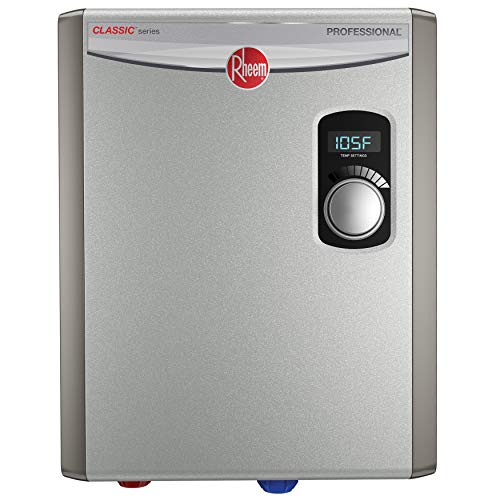
Rheem
Rheem 18kW 240V Tankless Electric Water Heater,…
- External digital thermostatic control with LED display (+/1 degree accuracy)
- Most advanced self-modulation, adjust power to meet hot water demand
- Durable Copper immersion two heating elements, field Serviceable. Flow Rate- up to 4.4 GPM
Why Your Hot Water Runs Out Too Soon
Most people blame the heater size first. But the real culprit is often something else. A typical 40-gallon tank stores enough hot water for about 20-25 minutes of shower time at 2.5 gallons per minute. If you have a family of four taking back-to-back showers, that adds up fast.
Sediment buildup is another big one. Over time, minerals from hard water settle at the bottom of the tank. That layer acts like insulation, so the burner or heating element has to work harder. Worse, it steals room from the water storage. A half-inch of sediment can cut usable capacity by 10% or more.
A faulty dip tube also causes trouble. The dip tube is the plastic pipe that sends cold water to the bottom of the tank so it gets heated properly. If it breaks, cold water mixes with hot at the top, and you get lukewarm output long before the tank is empty. Thermostat settings matter too. If yours is set to 120°F (the standard recommendation), you get less usable hot water than if it were set to 140°F. But there are safety trade-offs, which we will cover.
Quick Fixes: Immediate Habits to Make Hot Water Last Longer
Optimize Shower and Bath Routines
Stagger shower times. Even a 15-minute gap gives the heater time to recover. If everyone must shower in the morning, go with the person who uses the least hot water first. Use a shower timer to keep sessions under 10 minutes. That alone saves 5-10 gallons.
Turn off the water while soaping up. It sounds obvious, but most people leave it running. A Navy shower works: wet down, shut off water, lather, then rinse. You will cut water use by half.
Smart Laundry and Dishwashing Choices
Wash clothes with cold water. Modern detergents work fine in cold, and your water heater does not have to work at all. If you must use hot, run full loads only and spread them out. Running two loads back to back depletes the tank faster.
Run the dishwasher after the last shower, not during. Dishwashers heat their own water, but they still pull from the household supply. Let the tank recover first.
Address Leaks and Water Waste
Fix dripping hot water faucets. A slow drip wastes 5-10 gallons per day. That is hot water your heater had to heat for nothing. Check showerheads for leaks too. A single faulty valve can bleed hot water into the cold line without you noticing.
Optimizing Your Water Heater for Extended Hot Water
Adjusting Temperature Settings for Efficiency
Most tanks come set at 140°F from the factory. Many safety experts recommend lowering it to 120°F to prevent scalding and save energy. But here is the trade-off: a lower temperature means less usable hot water because you mix it with more cold at the faucet. If you have a small tank and a big household, raising the thermostat to 130-140°F gives you more room to blend before the tank runs out. Just install anti-scald valves if you have children or elderly people in the house.
Insulating Your Water Heater and Pipes
An insulation blanket on an older tank cuts standby heat loss by 25-40%. That means the water stays hot longer without the burner kicking on. Insulate the first 6 feet of hot water pipe too. You will get hot water at the faucet a few seconds faster, and you lose less heat in transit. This pays for itself in a season.
Essential Maintenance for Sustained Hot Water Supply
Flushing Sediment from Your Tank
Flush your tank at least once a year. More often if you have hard water. Attach a garden hose to the drain valve, run the water until it runs clear, then refill. A flush removes the built-up sand-like grit that steals capacity and hurts efficiency. If you have not done it in years, expect a rusty surge at first. That is normal.
Inspecting and Replacing the Anode Rod
The anode rod is a sacrificial metal rod inside the tank that attracts corrosion. Over time it gets eaten up. When it is gone, the tank itself starts corroding. A worn anode rod also allows more sediment to form. Check it every 3 years. If it is less than 3/4 inch thick or heavily coated, replace it. A fresh anode rod extends the life of your tank by years and keeps hot water quality consistent.
Understanding Water Hardness and Its Impact
Hard water is the enemy of hot water longevity. Calcium and magnesium form scale on the heating elements (in electric heaters) or inside the tank. That scale insulates the water from the heat, so the heater runs longer and uses more energy. It also reduces the effective capacity. A water softener solves this. It removes the minerals before they enter the heater. If you have hard water, check out this water softener guide for details. The upfront cost pays back in fewer breakdowns and longer tank life.
Upgrades and Advanced Solutions for Endless Hot Water
Installing Low-Flow Fixtures
Low-flow showerheads cut flow from 2.5 GPM to 1.5-2.0 GPM. That gives you 25-40% more shower time from the same tank. Modern designs maintain good pressure, so you will not feel like you are standing under a drizzle. Aerators on faucets do the same thing. It is the cheapest upgrade you can make.
Considering Tankless, Hybrid, or Point-of-Use Water Heaters
Tankless water heaters, like the Rheem model mentioned earlier, heat water on demand. They never run out because there is no tank. But they are limited by flow rate. The Rheem 18kW model delivers up to 4.4 GPM. That is enough for one shower plus a faucet, but not two showers at once. For a larger household, you might need a larger unit or two smaller ones in parallel.
Hybrid heat pump water heaters use electricity differently. They pull heat from the surrounding air, so they are 2-3 times more efficient than a standard electric tank. They still store water, but with a larger tank (50-80 gallons) and better insulation, you get longer runtime before recovery kicks in. The trade-off is they need space and a basement or garage with good airflow.
Point-of-use heaters mount under a sink or near a shower. They supply hot water to a single fixture, taking pressure off the main tank. If the kitchen sink is far from the heater, a small 2-4 gallon tank under the counter lets you run hot water there without draining the main tank.
| Method | Upfront Cost | Effort | Impact on Duration | Notes |
|---|---|---|---|---|
| Insulation blanket + pipe wrap | Low | Easy | +10-20% usable hot water | Best for older tanks |
| Low-flow showerhead | Low | Easy | +25-40% shower time | No loss of pressure with good models |
| Annual tank flush | Free | Moderate | Recovers lost capacity | Prevents sediment buildup |
| Water softener | Medium | Moderate | +15-30% efficiency | Reduces scale and extends heater life |
| Tankless heater upgrade | High | Hard | Unlimited (flow-limited) | Best for large families or endless use |
| Hybrid heat pump heater | High | Hard | +50% runtime vs standard tank | Requires good airflow and space |
When to Consider a Water Heater Replacement (and What Type)
If your tank is more than 12 years old and you keep running out of hot water despite maintenance, it is probably time to replace it. Also consider replacement if repairs cost more than half the price of a new unit. A typical gas tank lasts 8-12 years, electric 10-14, tankless 20+, hybrids around 10-15. If you want the longest possible runtime, tankless is the winner. But it requires a larger upfront investment and possibly an electrical panel upgrade. For those who want simplicity and reliability, a standard 50-gallon tank with good insulation and a water softener works well. For insight on the expected lifespan of a 50-gallon heater, see this 50-gallon water heater guide.
If you currently have a tankless and want faster hot water delivery, consider adding a recirculation pump or a small point-of-use tank for the farthest fixtures. Get tankless hot water tips here.
FAQs: Your Hot Water Longevity Questions Answered
How long should a 50-gallon water heater stay hot?
It depends on usage. A 50-gallon tank at 140°F with a standard 2.5 GPM showerhead gives about 20 minutes of continuous hot water before blending becomes noticeable. With low-flow fixtures and good insulation, you can stretch that to 30 minutes. Recovery time is roughly 1 hour for gas, 1.5 hours for electric.
Does turning up the temperature make hot water last longer?
Yes, because you mix less cold water at the faucet. With a higher thermostat setting, the same tank volume yields more usable hot water. But there is a downside: scalding risk and higher standby energy losses. Keep it under 140°F unless you have anti-scald valves.
Do tankless water heaters really provide endless hot water?
They provide unlimited hot water as long as the flow rate stays below the unit’s capacity. If you exceed the flow rate (e.g., running two showers and a dishwasher at once), the water temperature drops. So endless, but not infinite capacity.
How often should I flush my water heater?
At least once a year. If you have hard water, do it every 6 months. Flushing removes sediment that reduces capacity and wastes energy. Skip this maintenance and your tank loses effectiveness faster.
Will a water softener help my hot water last longer?
Yes, indirectly. Soft water prevents scale buildup inside the tank and on heating elements. Without scale, the heater transfers heat more efficiently and maintains its full capacity. You save energy and extend equipment life. It does not directly increase the water volume, but it keeps your heater working like new.
Your Hot Water Action Plan
- Start with cheap wins: install low-flow showerheads and insulate hot water pipes. You will notice the difference immediately.
- Adjust your thermostat. Try 130°F if you need more runtime, but install anti-scald devices if children or elderly share the home.
- Flush your tank annually. Set a calendar reminder today. It takes 30 minutes and prevents capacity loss.
- Check your anode rod every 3 years. Replace it if more than half gone. This is the single most overlooked maintenance step.
- Test for a broken dip tube if you get lukewarm water early in a shower. Replacement is cheap and easy.
- If you have hard water, invest in a water softener. The long-term savings on heater repairs and energy costs outweigh the initial expense.
- If you still run out after all that, consider a tankless or hybrid heater. Calculate your household peak demand (total GPM of simultaneous fixtures) to pick the right size.

I am a mechanical engineer and love doing research on different home and outdoor heating options. When I am not working, I love spending time with my family and friends. I also enjoy blogging about my findings and helping others to find the best heating options for their needs.
Related guides

Why the Ecosmart ECO 11 Electric Tankless Water Heater Stands Out
Get the inside scoop on the EcoSmart ECO 11 Electric Tankless Water Heater. Find out why it’s a…
Hot Water Heater Red Light Warning: Don’t Ignore It
If the hot water heater's light turns red, it indicates a malfunction; avoid touching it and consult a…
Why the Stiebel Eltron 3000W Tankless Water Heater Stands Out
Experience endless hot water with the Stiebel Eltron 3000W Tankless Electric Water Heater. Efficient, compact, and perfect for…
