

Yes, a water heater can affect an air conditioner by increasing humidity levels in the home, which may reduce the AC’s efficiency and cooling performance.
Many homeowners wonder if their water heater impacts their air conditioner’s operation. While these systems serve different purposes, they can influence each other in unexpected ways. Understanding this relationship helps optimize home comfort and energy efficiency.

AB
AB Water to Air Heat Exchanger 20x20…
- 【Energy-efficient and Affordable】Our water-air heat exchangers allow for water-air heat exchange movement through a variety of sou…
- 【Excepetional Performance】The heat exchanger has a capacity of 160,000 Btu. Depending on the application, the heat exchanger can p…
- 【Premium Material】Our heat exchangers are supported by steel shells, and the edges and contact points are base brazed, which is ve…
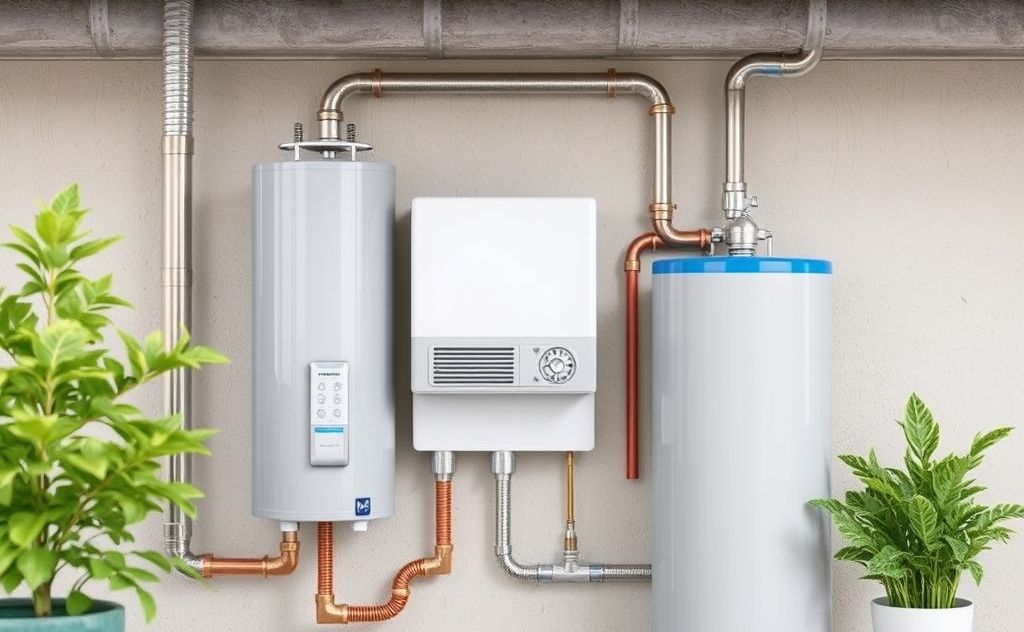
The Indirect Connection Between Water Heaters and AC Units
Your water heater and air conditioner operate independently for their primary functions, but they share some important connections:
- Both rely on your home’s electrical system
- They can work together in hybrid systems
- Simultaneous operation may strain power capacity
How AC Waste Heat Can Benefit Water Heating
When your air conditioner cools your home, it generates heat as a byproduct. Some innovative systems capture this waste heat to pre-warm water in your tank. This water heater thermostat adjustment can reduce energy consumption by 10-15% during cooling season.
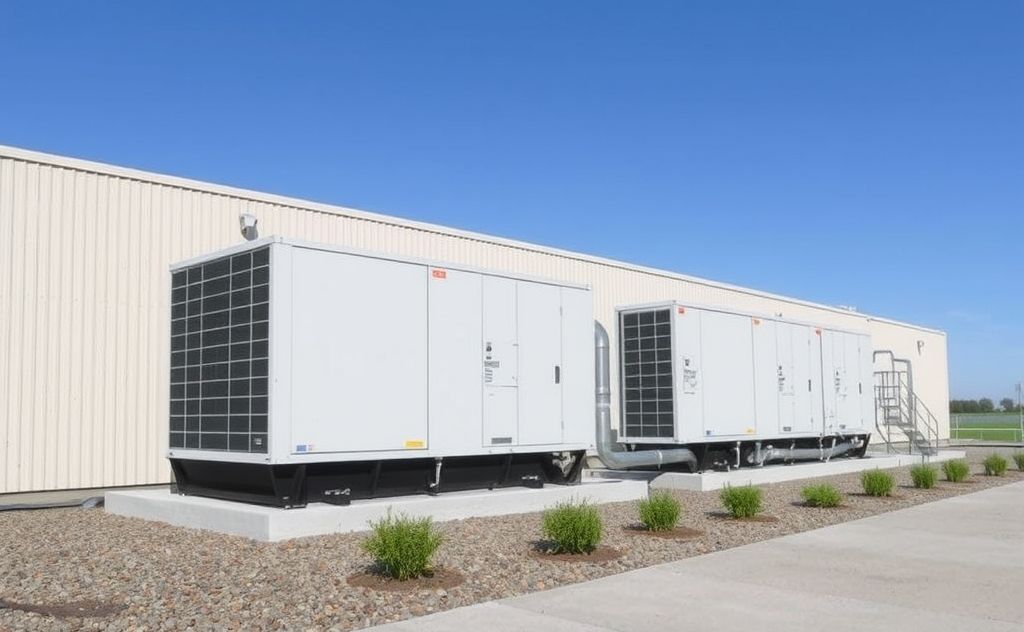
ACWH Systems: Combining Cooling and Water Heating
Air Conditioner Water Heater (ACWH) systems represent an emerging technology that links these appliances:
| Component | Function |
|---|---|
| Heat Exchanger Coil | Transfers AC waste heat to water tank |
| Hybrid Controller | Manages both systems’ operation |
| Supplemental Heater | Provides additional heating when needed |
According to U.S. Department of Energy, these integrated systems can improve overall home efficiency by 20-30%.
Electrical Load Considerations
Both appliances draw significant power:
- Central AC: 3,000-5,000 watts
- Electric water heater: 4,500-5,500 watts
When operating simultaneously, they may exceed 10,000 watts. Older homes with 100-amp service might experience:
- Circuit breaker trips
- Voltage drops
- Reduced appliance lifespan
Consider upgrading to a tankless water heater to reduce electrical load during peak cooling periods.
Seasonal Maintenance Tips
To optimize both systems:
- Schedule annual AC maintenance before cooling season
- Flush your water heater every 6 months
- Check electrical connections for corrosion
- Monitor energy bills for unusual spikes
When to Call Professionals
Contact HVAC and plumbing specialists if you notice:
- Frequent circuit breaker trips
- Inconsistent water temperatures
- Reduced cooling capacity
- Unusual noises from either system
The ASHRAE Handbook recommends professional inspections every 2-3 years for optimal performance.
Future-Proofing Your Home Systems
When replacing equipment, consider:
- Heat pump water heaters (more efficient in warm climates)
- Variable-speed AC compressors
- Smart thermostats with water heater controls
- Zoned HVAC systems
These upgrades can reduce the interaction between systems while improving overall efficiency. Proper sizing and installation are crucial for achieving these benefits.
Related pick: Check today's price on Amazon

I am a mechanical engineer and love doing research on different home and outdoor heating options. When I am not working, I love spending time with my family and friends. I also enjoy blogging about my findings and helping others to find the best heating options for their needs.
Related guides

Tankless Water Heater Descaler 32 oz Review
Say goodbye to limescale! Our Tankless Water Heater Descaler 32 oz review reveals how to boost efficiency and…
Best Descaling Solutions for Tankless Water Heaters (Protect Your System)
Ever wonder what pros use? Find the best descaling solution for tankless water heater in our tested guide…
TOPWISH 10L Tankless Propane Water Heater: Instant Hot Water Anywhere!
Get the inside scoop on the TOPWISH 10L Tankless Propane Water Heater. Find out why this compact powerhouse…
