How to Use Multiple Diesel Heaters in a Garage Safely and Efficiently
Joye
Updated October 10, 2026 16 min read
At a glance
You can run multiple diesel heaters in a garage, but you must vent exhaust outdoors, watch fuel use, and avoid overloading your circuits. A diesel heater is a forced-air unit that burns diesel fuel to heat air, then blows it into your space. Getting the heat you want without risking carbon monoxide or wasted fuel comes down to sizing, setup, and safety.
Say your garage is 24 by 24 feet, uninsulated, and you want to work out there in January. Two 5 kW diesel heaters might sound like overkill, but it could be just enough to keep the chill at bay when the temperature drops below freezing.
Before you stack heaters, you need to know where the heat goes, how much diesel you’ll burn, and what risks you take if you cut corners on venting or wiring.
The essentials
Never vent diesel heater exhaust indoors—always route it outside.
Two 5 kW diesel heaters can handle an uninsulated two-car garage in sub-freezing weather, but fuel use doubles.
You need both fresh air intake and working CO alarms, even with vented heaters.
Watch your electrical load: two heaters on one 15-amp circuit is likely too much.
A timer feature can help control costs and avoid overnight risks.
Using Multiple Diesel Heaters in a Garage
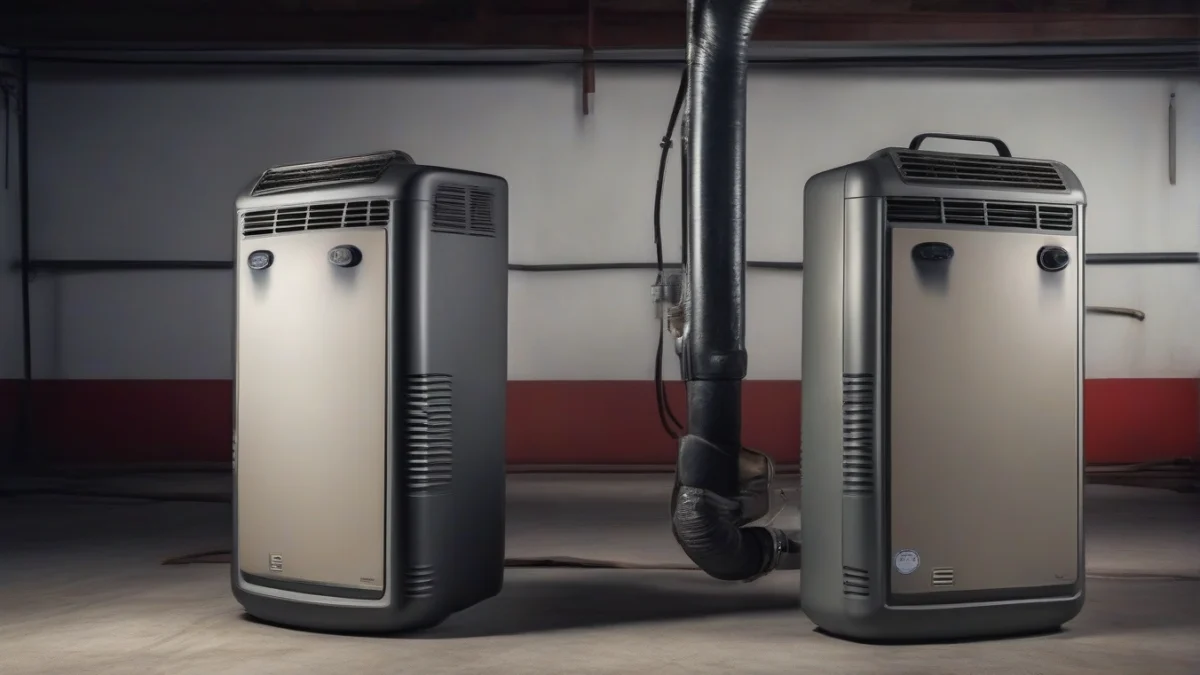
You can run multiple diesel heaters in a garage if each heater sends its exhaust outdoors and your electrical circuit has enough capacity. Two 5 kW units produce 10 kW of heat—about 34,000 BTU/hr—and can burn more than 1 L of diesel per hour together at maximum output.
Ensure proper exhaust venting for safety.
That answers the basic searches for using multiple diesel heaters in garage, a diesel heater for garage, and diesel heater garage setups: the arrangement can work, but the exhaust and wiring decide whether it works safely. A “Chinese diesel heater” label describes a common product category, not an indoor-use approval or a safety certification.
Two 5 kW Heaters
Combined Figure
Heat output
10 kW, about 34,000 BTU/hr
Fuel at low-to-high listed rates
About 0.36–1.06 L/hr
Typical heater electrical draw
About 80–120 W combined
Power source
Two suitable outlets or circuits, as required by the manuals
Actual fuel and electrical figures vary by heater, setting, startup cycle and transformer.
Worked Example
Say you install two 5 kW heaters and run both at their listed maximum fuel rate. Each uses up to 0.53 L/hr, so 0.53 × 2 equals 1.06 L/hr. A five-hour work period could use about 5.3 L of diesel. The heaters may draw only 40–60 W each during operation, but each 110 V transformer still adds load to the circuit, especially during startup.
Heat10 kW ≈ 34,000 BTU/hr
Fuel1.06 L/hr at the listed maximum
Five-hour fuel useAbout 5.3 L
Typical heater draw40–60 W each
1
Confirm the heater’s use
Read the manual and product listing before installation. Use only a model approved for the intended garage setup, and confirm the 110 V transformer is suitable for the heater. The exhaust pipe must terminate outdoors, away from doors, windows and other air intakes.
2
Plan the electrical load
A typical 5 kW diesel heater draws about 40–60 W, but don’t size the circuit from the heater’s running wattage alone. Include each transformer, startup demand and any lights, chargers, tools or compressors on the same circuit. A tripped breaker is the mild warning; overheated wiring is the one you never want.
3
Place and test each unit
Keep the heater, fuel tank and hot exhaust components clear of combustibles, follow the manual’s clearances, and use clean 1-K diesel fuel where specified. Start one heater at a time, check for exhaust leaks and fuel leaks, then confirm both units operate without a breaker trip or fault code.
Useful for a 110 V garage setup
LF Bros 5KW Diesel Heater
Product 1 includes a 110 V transformer alongside 12 V and 24 V support, and its listed fuel range is 0.18–0.53 L/hr; use it only after checking that its instructions and your garage layout allow the required outdoor exhaust arrangement.
Both exhaust outlets terminate outdoors and cannot leak back into the garage
A working carbon monoxide alarm is installed in the garage or adjoining occupied area
The circuit can carry the heaters, transformers and other connected equipment
The fuel tanks and lines are secure, leak-free and away from ignition sources
Carbon Monoxide And Overload
Never operate a diesel heater indoors with its exhaust dumped into the garage, even with the door cracked open. Carbon monoxide can collect where you can’t see or smell it. Stop the heaters if the CO alarm sounds, anyone feels ill, a fuel leak appears or a breaker trips repeatedly; ventilate and find the cause before restarting.
For a larger garage, two smaller heaters can spread warmth better than one unit at the far end, but only if both are installed as complete systems. For help comparing garage-ready models before buying, see top diesel heaters for a garage.
Where the Heat Actually Goes
A diesel heater for a garage warms the air first, so cold walls, leaky doors and missing insulation can carry that heat away faster than the heater can replace it. Typical garage setups burn diesel in a separate combustion chamber, warm air through a heat exchanger, then push that heated air into the room with a fan. The fuel makes the heat; the garage decides how long it stays.
Drafts matter because forced-air heat follows moving air. Open a garage door, and the warm air leaves while cold air rushes in to take its place. Even a closed metal door can feel like a large cold panel when the garage has little insulation. Sealing door gaps and insulating the walls and ceiling often improves comfort more than adding another heater.
Heater type
How it delivers heat
What affects the result
Diesel forced-air
Heats air through a heat exchanger and blows it into the garage
Drafts, open doors, cold surfaces and poor insulation
Electric resistance
Turns electricity into heat at a heating element, then may move that heat with a fan
Room heat loss and airflow; the heater doesn’t create fuel exhaust
Propane
May warm air with a burner or warm nearby objects with radiant heat
Drafts affect forced-air models; radiant models depend more on line of sight and nearby surfaces
The heat source and the heat path are different things. A warm burner doesn’t help much if the warmed air escapes.
Myth
A second diesel heater automatically makes an uninsulated garage comfortable.
Fact
Two heaters can spread heat across a large or awkward garage, but they also increase the total heat going into the space. If the walls, ceiling or door lose heat faster than both units supply it, the garage may still feel cold near the edges. Fix the largest leaks first, then add capacity if the room remains underheated.
Two heaters may be sensible when one end of the garage stays cold, equipment blocks airflow, or the space is large enough that one fan can’t distribute heat evenly. Place the outlets so their air streams cover separate areas rather than blasting one corner; keep each unit’s clearances and installation instructions intact. A heater aimed at a cold door is doing honest work, though the door may be winning.
Insulation changes the job
Insulation slows heat leaving through the walls and ceiling, while weatherstripping limits air exchange around the overhead door. Those improvements let a diesel heater run less often and keep temperatures more even; they don’t replace required exhaust and combustion-air arrangements.
Heaters That Work for Multi-Unit Garage Setups
Both models run on diesel and can plug into a standard 110V outlet.
Flexible voltage setup
LF Bros 5KW Diesel Heater, 110V/12V/24V
Product 1 fits a multi-unit setup when your garage has 110V sockets and you want the option to use the same heater with 12V or 24V power elsewhere. Its LCD switch shows operating status, while the included transformer avoids buying a separate part for 110V use.
Product 2 is the more practical pick when you want heating to start or stop around a work schedule: its 24-hour timer supports one or multiple heating periods. The compact body and integrated handle also make it easier to move when one garage zone needs heat more than another.
A diesel heater for a garage costs about $0.19 to $0.56 per hour in fuel at $4 per gallon, based on the listed 0.18 to 0.53 liters per hour burn rate. Low output uses less fuel; running two heaters uses almost exactly twice as much, assuming both operate at the same setting.
A silent diesel heater still has a fan, fuel pump and exhaust system, so silent means quieter rather than noiseless. The diesel burner supplies the heat, while electricity runs the controls, glow plug, pump and fan. Check the heater label or manual for its actual electrical draw instead of guessing from the fuel rate.
Setup
Fuel Used
Fuel Cost at $4/gal
1 heater, low, 4 hours
0.72 L (0.19 gal)
Calculated cost based on fuel consumption and price assumptions.
1 heater, high, 4 hours
2.12 L (0.56 gal)
Calculated cost based on fuel consumption and price assumptions.
1 heater, low, 8 hours
1.44 L (0.38 gal)
Calculated cost based on fuel consumption and price assumptions.
1 heater, high, 8 hours
4.24 L (1.12 gal)
Calculated cost based on fuel consumption and price assumptions.
2 heaters, low, 8 hours
2.88 L (0.76 gal)
Calculated cost based on fuel consumption and price assumptions.
2 heaters, high, 8 hours
8.48 L (2.24 gal)
Calculated cost based on fuel consumption and price assumptions.
Fuel estimates use 1 gallon = 3.785 liters and $4 per gallon diesel.
Worked Example
Say you preheat the garage for 2 hours, then run one heater on low for 4 hours while you work. At the listed rates, that is 6 hours total: 1.08 to 3.18 liters, or roughly $1.14 to $3.36 in diesel at $4 per gallon. Two heaters for the same six hours double those figures. Cold doors and uninsulated walls can make the high setting necessary, so the cheapest fuel plan starts with reducing heat loss rather than simply turning down the burner.
One heater, 6 hours low1.08 L; cost depends on local diesel pri
One heater, 6 hours high3.18 L; cost depends on local diesel pri
Two heaters, 6 hours high6.36 L; cost depends on local diesel pri
1,800 W
Typical 15-amp, 120-volt circuit capacity
The arithmetic is 15 A × 120 V. Your diesel heater’s adapter may use far less, but the label and startup requirements decide the real load.
Two 110-volt diesel heaters on one garage outlet can overload a 15-amp circuit, especially with a compressor, shop vacuum, lights or battery charger running. Use the heater’s listed amperage, add the other loads on that circuit, and plug the units directly into suitable wall receptacles rather than a power strip. A breaker that trips is a warning, not an invitation to fit a larger breaker.
A diesel heater timer cuts fuel use by keeping the unit off while the garage is empty, while a thermostat can reduce output or cycle the heater when the space reaches its set temperature if that function is supported. A timer isn’t a substitute for safe exhaust installation; an empty garage can still collect carbon monoxide if the venting is wrong.
Useful for scheduled heating
LF Bros 110V/12/24V 5KW Diesel Heater with Timer
Product 2 suits a garage you heat at predictable times because its 24-hour timer can schedule one or more heating periods, and its 110-volt transformer avoids buying a separate power converter.
Write down the fuel level before an 8-hour run and again afterward, then compare it with the heater’s 0.18 to 0.53 L/h range. A sudden increase points to a setting, fuel-system or combustion problem worth fixing before winter settles in.
Venting and Air Quality: Do It Right or Don’t Do It
Never run a diesel heater inside a garage without following the manufacturer’s installation instructions exactly. The exhaust must always vent outdoors through a sealed pipe. Simply cracking a window does not provide safe ventilation. Exhaust fumes contain carbon monoxide, which can build up quickly and become deadly before you notice symptoms.
Proper venting is crucial for safe operation.
Exhaust Always Goes Outside
Never discharge diesel exhaust into the garage, a shed, a tent or a vehicle cabin. Keep the exhaust outlet away from doors, windows and other air intakes as the manual specifies, and don’t extend or reroute the pipe with improvised parts. Carbon monoxide has no reliable smell or warning color.
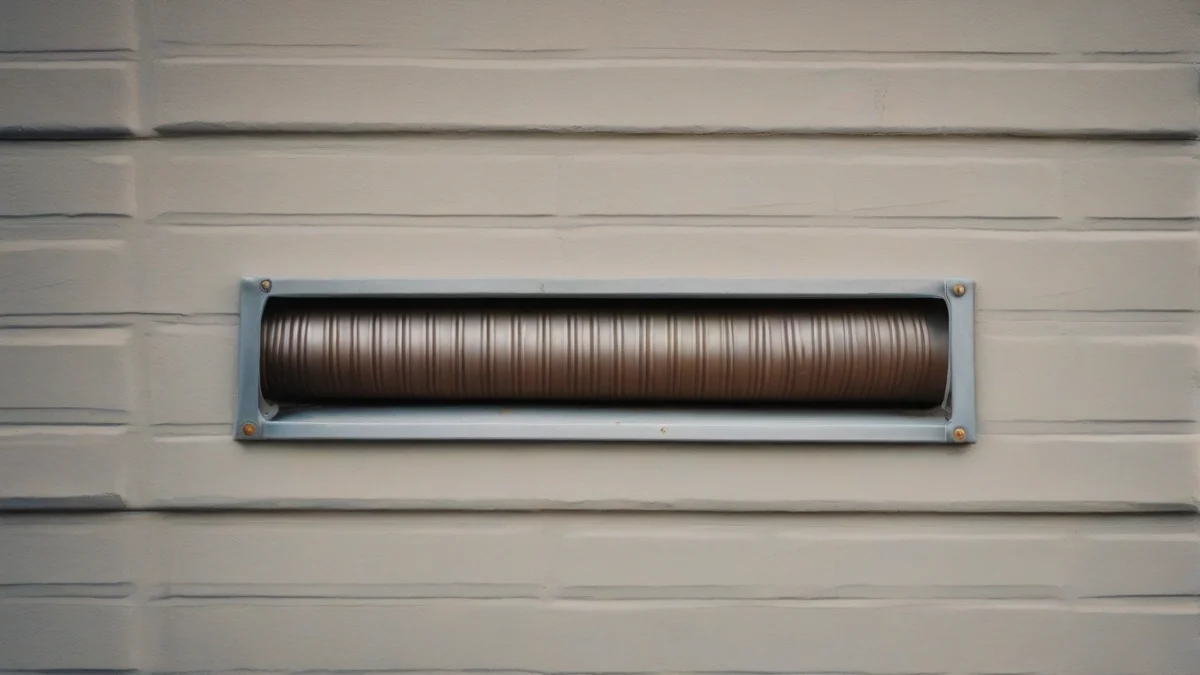
A safe installation normally has the heater’s combustion exhaust pipe passing through a wall or a properly fitted window panel, with a sealed, heat-rated pass-through. The combustion-air intake also needs the location and clearance required by the manual, while the warm-air outlet must remain unobstructed. Don’t confuse the fresh-air intake with the heated-air duct; they serve different jobs.
1
Confirm the heater’s location
Check whether your model is listed for indoor garage installation or must remain outside. Follow its clearance, mounting and pipe-length instructions instead of copying a setup from a different heater.
2
Route the exhaust
Use the supplied or approved exhaust parts through a wall or window panel. Seal the opening against fumes, protect nearby materials from heat, and make sure the pipe cannot be knocked loose.
3
Provide combustion air
Place the fresh-air intake where the manual directs, away from the exhaust outlet. A blocked intake can cause poor combustion and shutdowns.
4
Test the alarms
Install working carbon monoxide alarms in the garage area and in nearby occupied parts of the house. Test them before the first cold night and keep their batteries fresh.
Before You Start The Heater
Exhaust outlet is outdoors and cannot blow back through a door, window or intake
Fresh-air intake is clear and separated from the exhaust
Pipe joints, wall pass-through and window panel are secure
CO alarms are installed, tested and easy to hear
Mounting keeps vibration and hot exhaust away from combustible materials
Diesel heaters are noisy enough to notice. The fuel pump’s repeated clicks and the fan’s hum are normal, while loose brackets can turn that hum into a garage-wide rattle. Firm mounting on the surface and hardware specified by the manufacturer usually helps.
About Silent Models
“Silent diesel heater” and “no noise diesel heater” are marketing phrases, not literal promises. A better description is lower noise: the pump still clicks, the fan still moves air, and a heater that makes no sound at all may have stopped working.
Controlling Heat and Costs with Timers and Thermostats
A diesel heater timer can preheat the garage before you arrive and shut the unit off automatically, so a heater doesn’t run all night because yesterday’s job ran late. Use the timer for scheduled starts and stops, then confirm the heater’s cooldown cycle can finish before power is removed.
A thermostat saves fuel by cycling a heater around a set temperature instead of keeping it at full output. In a two-heater garage, let one unit handle the general space and bring the second online only when the colder work zone or falling temperature calls for it.
Control
Useful job
Check before relying on it
Timer
Preheat or automatic shutoff
Start delay, stop time and cooldown cycle
Thermostat
Cycle heat to maintain a set temperature
Sensor location and temperature range
Two-zone control
Heat occupied work areas separately
Each heater’s duct and control compatibility
The controls save fuel only when their sensors and schedules match how you use the garage.
The best ducting for diesel heaters is the manufacturer-approved hot-air duct sized for that heater, routed to the work zone without crushing, sharp bends or blocked outlets. With multiple units, send one duct toward the bench and another toward the vehicle area rather than dumping both outlets beside the same wall. Keep combustion exhaust separate from every warm-air duct.
1
Warm the whole garage
Schedule one heater to start first, giving the space time to rise toward the thermostat setting.
2
Add heat where work happens
Use the second heater or a permitted duct run for the occupied zone instead of running both units at maximum output.
3
Let the controls settle
Keep thermostat sensors away from a hot outlet, cold exterior door or direct sunlight so cycling reflects the zone you actually want comfortable.
Quietest Diesel Heater
The quietest setup is usually the one mounted firmly with a short, properly supported exhaust and a correctly secured fuel pump. “No noise” isn’t a realistic standard; reducing vibration and avoiding unnecessary full-speed operation is.
More Questions, Answered
Can you run a diesel heater inside a garage without venting?
No. A diesel heater needs its combustion exhaust routed outdoors, along with a working carbon monoxide alarm in the garage; an open door is not a substitute for proper exhaust venting. Never use a portable diesel construction or torpedo heater indoors, even with the garage door cracked open.
How noisy are diesel heaters, and can you make them quieter?
Diesel heaters make noise from the combustion fan, fuel pump and airflow, so they won’t be silent in a garage. Mount the fuel pump as the manual shows, use rubber isolation where approved, secure the heater on a solid surface, and keep the exhaust system unmodified; an approved muffler may reduce exhaust noise, but it doesn’t make unsafe venting safe.
Is it safe to use a timer or smart plug with a diesel heater?
A timer or smart plug is safe only if the heater manufacturer allows external switching and the device is rated for the heater’s electrical load. Don’t cut power during the shutdown cycle, because the fan may need to run after fuel stops to cool the combustion chamber; a heater with its own timer or thermostat is usually the safer control.
What’s the best way to split heat from two heaters across a large garage?
Put each heater near the zone that loses the most heat, then aim the warm-air outlets along the garage rather than directly at each other. Keep thermostats away from the discharge streams and cold drafts, and use separate temperature controls only when each heater can sense its own area; otherwise one warm corner can shut down both heaters while the far end stays cold.
Are Chinese diesel heaters safe and reliable for garage use?
Chinese diesel heaters vary widely in quality. Many are affordable but may lack the rigorous safety certifications found on US or European models. If you choose one, check that it has a proper exhaust system and an oxygen depletion sensor, and follow all installation and ventilation rules closely to avoid carbon monoxide risks.
What is a diesel heater controller and do I need one?
A diesel heater controller regulates the heater’s temperature and fan speed, letting you set and maintain your desired warmth efficiently. Some come as wired thermostats or remote controls. Using a controller helps reduce fuel use and wear by avoiding constant full-power running, which is especially useful when running multiple heaters in a garage.
Should I install a diesel heater outside or inside my garage?
Diesel heaters must be installed where the exhaust can be safely vented outdoors through a sealed flue. The unit heats the garage air, so place it inside but ensure the exhaust pipe leads outside, preventing harmful fumes from building up indoors. Always use a carbon monoxide alarm and follow the manufacturer’s ventilation guidelines to protect air quality.
What is the best ducting for diesel heaters in a garage?
Use insulated, rigid metal ducting rated for high temperatures to carry hot air from the diesel heater into different parts of your garage. Flexible aluminum ducts can work but are less durable and prone to kinks that reduce airflow. Keep ducts short and straight where possible to maximize heat delivery and reduce fuel consumption.
Can I use a diesel heater designed for a garage in overlanding or vehicle cabins?
Garage diesel heaters are generally larger and not designed for the confined space of a vehicle cabin. Overlanding heaters are compact, have sealed combustion chambers, and vent safely outdoors. Using a garage model in a vehicle risks carbon monoxide buildup and is not recommended.
Are diesel heaters suitable for use in caravans?
Yes, but only models designed specifically for caravans or RVs, which have sealed combustion and exhaust systems tailored for small spaces. Garage diesel heaters lack these safety features and ventilation requirements, so they are not safe for caravan use.
What is the best diesel heater for a shed?
Look for a compact diesel heater with a low fuel burn rate and built-in safety features like an oxygen depletion sensor. It should have a simple venting kit suitable for small spaces. Consider quiet operation since sheds are often close to living areas.
What diesel heater is best for heating a boat?
Marine diesel heaters designed for boats have sealed combustion, corrosion-resistant components, and exhaust systems made for wet environments. They are safer and more reliable on boats than garage or shed models. Always follow marine installation instructions and use CO detectors.
Share
Written byJoye
HeaterGuides covers home heating, water heating and HVAC: how the equipment works, what it costs to run, and how to use it safely.