Industrial Heating Systems Explained: Types, Costs, and What Works Where
Joye
September 16, 2026 14 min read
Quick answer
Industrial heating systems use boilers, heat pumps, radiant panels, or forced air units to warm large spaces efficiently and safely. An infrared heater is a heater that warms objects and people directly rather than the air. Each type fits different buildings, running costs, and comfort needs.
Choosing the wrong industrial heating system can waste thousands on energy and repairs, or leave workspaces cold and unsafe. The right setup matches the space, the work, and the budget—and keeps people comfortable all winter.
A system that’s too small won’t keep up; one that’s oversized burns money on every bill. Safety and maintenance rules are stricter than home setups, but understanding the basics helps you ask the right questions and spot problems early.
Key takeaways
Radiant heaters work best for spot heating and high-ceiling spaces.
Boiler and hydronic systems suit large, drafty buildings that need even heat.
Heat pumps save on energy but lose efficiency in very cold regions.
Running costs depend on fuel type, insulation, and usage hours.
Always match the system to the space size and local safety codes.
How Industrial Heating Systems Work
Industrial heating systems warm large work areas by moving heat with air, water, steam, or infrared energy; the main choices are forced air, radiant or infrared, boilers and hydronic loops, and heat pumps. An industrial heating system works step by step by taking energy from gas, oil, electricity, or steam, transferring that energy into air, water, or solid surfaces, then delivering heat where people, equipment, or processes need it.
This boiler is crucial for heating large industrial spaces.
Forced-air equipment burns fuel or uses electric resistance to heat air, then pushes it through ducts, diffusers, or a fan. Factories, warehouses, workshops, and shops often use it because one unit can move heat across a broad open floor, although air movement can stir dust and the warmest air may collect overhead.
Radiant and infrared heaters send electromagnetic energy toward floors, machinery, people, and workstations. Those surfaces warm first and give heat back to nearby air, which makes this approach useful in tall warehouses, loading areas, shops, and spot-heating zones where heating every cubic foot would waste energy.
Boilers heat water or create steam, and pumps carry that heat through pipes to radiators, unit heaters, fan coils, or radiant panels. Hydronic systems suit factories, institutional buildings, greenhouses, and facilities with several heating zones; the boiler can run on gas, oil, electricity, or another approved fuel, while steam systems use pressure and condensate return to move heat.
Heat pumps move heat instead of creating all of it with combustion or resistance: the outdoor unit extracts available heat, the refrigerant carries it indoors, and the indoor coil releases it into air or water. Reversible equipment can cool in warm weather, which is why HVAC means heating, ventilation, and air conditioning as one coordinated building system. A fuller industrial HVAC systems explanation belongs beside the equipment discussion.
1
Choose the energy source
Confirm whether the building has natural gas, propane, oil, electricity, or steam available, then check the service capacity, fuel storage, and exhaust route.
2
Transfer the heat
A burner, electric element, boiler, or heat-pump coil puts energy into air, water, steam, or surfaces.
3
Deliver and control it
Fans, pumps, pipes, ducts, or radiant panels deliver heat while thermostats, dampers, valves, and zone controls adjust the output.
Useful for a small space without heat
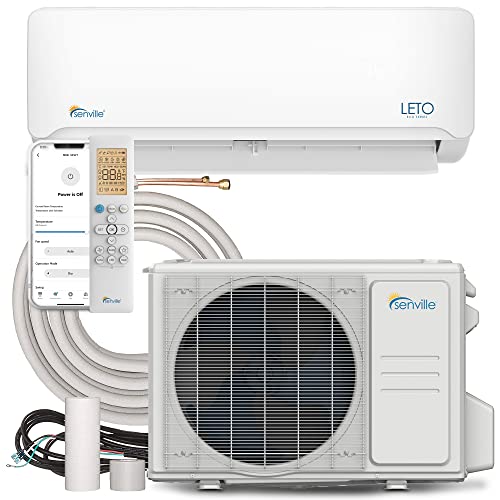
Senville LETO Mini Split Air Conditioner
Product 1 combines a 9,000 BTU mini-split heat pump with air conditioning, fan, and dehumidifying modes, so it can suit a small home room, shop, or office that lacks central heat; don’t treat that capacity as enough for an uninsulated warehouse without a heat-loss calculation.
Building size, ceiling height, insulation, and open-door schedule
Available fuel, electrical service, venting route, and outdoor-unit location
Need for whole-building heat, zone control, process heat, or a single work area
Ventilation requirements and local rules for combustion equipment
Myth
A bigger industrial heater will warm any building faster and run better.
Fact
Oversized equipment can cycle too often, leave cold zones, and waste fuel or electricity. Capacity should follow the building’s heat loss and the way the space is used.
Where the Heat Actually Goes
Industrial heating and cooling work well only when the delivered heat reaches the occupied work zone; air systems move heat through the room, hydronic systems move it in water, and radiant panels warm surfaces and people directly. That distribution pattern controls comfort as much as the heater’s nameplate capacity.
Distribution method
How heat travels
Common effect
Forced air
Fans move heated or cooled air through ducts or diffusers
Fast response, but drafts and ceiling-level heat can be problems
Hydronic water
Pumps carry hot water to coils, radiators, or panels
Even zone control with little air movement
Radiant panels
Infrared energy warms floors, objects, and people
Good spot comfort, with less need to heat unused air
The same heat input can feel different depending on how it reaches you.
Drafts, open loading doors, poor insulation, and high ceilings carry heat away or leave it trapped above the occupied zone. A destratification fan can bring warm upper air down, while door curtains, dock seals, insulation, and correctly aimed diffusers reduce the load before the heater has to work harder.
Worked example
Say a shop has a 24-foot ceiling and workers stand near the floor. A ceiling-mounted forced-air unit may heat the upper air first, so the thermostat can read comfortably while the work area still feels cold. A lower-level diffuser, destratification fan, or radiant zone can put more usable heat where the workers actually stand.
ProblemHeat collects near the ceiling
Occupied zoneNear the floor
Possible correctionImprove air mixing or add targeted radia
Heat loss risks
Don’t place a thermostat beside a loading door, supply diffuser, sunny window, or hot machine. That location can misread the room and make distant workers uncomfortable while the system cycles based on the wrong spot.
Ventilation brings in outdoor air, removes fumes, moisture, and dust, and replaces air used by combustion equipment. Heating and cooling systems must account for that outdoor-air load; closing every vent to save energy can damage air quality and can create a serious combustion-safety problem. Industrial central heating and cooling systems typically condition return air, mix in required outdoor air, filter it, and send the controlled supply back through the building.
In short
Place heat where people work, seal the openings that leak it away, and keep required ventilation operating. The same HVAC equipment may heat in winter and cool in summer, but its ducts, controls, and outdoor-air settings still need to match the building.
Industrial-Grade Heating Systems That Fit Real Spaces
These options cover both spot and whole-building heat for shops, warehouses, and commercial sites.
Zoned heat
Senville 9,000 BTU Mini Split Heat Pump
Product 1 suits a heated zone better than a full warehouse because its mini-split design puts heat where people work without relying on one central air stream. The heat pump also provides air conditioning, dehumidifying, and fan modes, with heating functional down to 5°F (-15°C).
The different ways of heating industrial buildings cost different amounts because fuel price, system efficiency, heat loss and operating hours all change the bill; an industrial heating and cooling system with poor controls can spend more than a smaller, better-managed system.
The comparison below shows the approximate cost of delivering 1 million BTU of useful heat. These are illustrative assumptions, not a quote: natural gas at $1.20 per therm, propane at $3 per gallon, heating oil at $3.50 per gallon, electricity at 17 cents per kWh, and 80% efficiency for the fuel-burning systems. Electric resistance is shown at 100% at the point of use.
System and assumption
Approximate cost per 1 million BTU delivered
Natural gas boiler or furnace, 80% efficient
Varies by model and supplier, check current listings
Propane boiler or furnace, 80% efficient
Varies by model and supplier, check current listings
Oil-fired system, 80% efficient
Varies by model and supplier, check current listings
Electric resistance heater
Varies by model and supplier, check current listings
Electricity at 17 cents per kWh, before demand charges
293 kWh per million BTU input
Actual rates, efficiency, demand charges and heat loss can move these figures substantially.
For example, 30 kW of electric resistance heat running 8 hours a day for 250 workdays uses 60,000 kWh. At $0.17 per kWh, that is $10,200 before taxes or demand charges. A thermostat that cuts runtime by 20% would save about 12,000 kWh, or $2,040 at the same rate.
Setpoints and hours matter just as much as the name on the fuel bill. Dropping a space from 70°F to 65°F during unoccupied hours reduces heat loss, while leaving doors open or heating an empty warehouse erases that saving. Insulation, dock seals and a destratification fan can reduce the load before you replace the burner.
Check Before Estimating
Fuel or electricity rate, including any demand charge
System input and rated efficiency, not output alone
Occupied hours, overnight setback and weekend schedule
Roof, wall, door and ventilation heat losses
Annual service, filter, burner and control costs
Ownership cost includes repairs and maintenance. An older boiler may need burners, pumps, valves or controls; a forced-air unit may need belts, filters and heat-exchanger inspection. A low fuel price won’t rescue a system that loses heat through an open loading bay or runs with a failed thermostat.
Radiant and Infrared Heating: Where They Work and Where They Don’t
Radiant and infrared heaters warm people, floors, equipment and other surfaces directly, so they work best when you need heat in a defined work zone instead of every cubic foot of air.
Radiant panels efficiently warm defined work zones directly.
Infrared energy travels in straight lines from the emitter to the objects it reaches. A worker beneath a ceiling-mounted panel can feel warm while the air above remains cooler, which is useful in a high-ceiling shop, a drafty loading bay or a workstation that needs spot heat.
Where It Fits
Heats occupied zones without warming the whole volume first
Works well in high bays where warm air would collect overhead
Can provide spot heat near doors, benches and outdoor-adjacent work areas
Where It Falls Short
Objects outside the heater’s line of sight receive less heat
Coverage can feel uneven across a large floor
Doesn’t move warm air to a separate room or replace ventilation
Myth
Infrared heat warms a building evenly because the air eventually picks up the heat.
Fact
Some surrounding air will warm, but direct exposure controls comfort. A rack, partition or machine can block the radiation, leaving a cold area behind it.
Choose radiant heating over forced air when occupancy is local, ceilings are high, doors open often or air movement would disturb dust and work. Forced air is usually the better fit when you need uniform room temperature, filtration or heat delivered around partitions. Hydronic heat suits buildings that already have water piping and need steady, even surface temperatures.
Mounting And Surface Safety
Follow the heater’s listing for mounting height, clearance and angle; a hotter emitter mounted too close can overheat stored materials, wiring or a worker’s skin. Protect the unit from impact, keep combustibles out of its clearance zone and use guards where equipment or forklifts could strike it. Fuel-burning infrared units also need the ventilation and carbon-monoxide protection required by their manual and local code.
In short
Radiant heat is efficient for people and zones, not a magic blanket for a cluttered building. Check line of sight, coverage, mounting clearance and the need for air circulation before choosing it.
Safety and Code: What Industrial Setups Demand
An industrial heating and ventilation piping system must be designed as one safety system, because fuel, combustion air, exhaust, and heat distribution affect each other. Gas, propane, kerosene, and diesel equipment need the listed venting, combustion-air supply, clearances, fuel shutoffs, and exhaust routing required by the manufacturer and local code.
Never Block the Exhaust
A blocked flue, intake, or outdoor vent can send combustion gases into the building or make a heater overheat. Fuel-burning equipment needs the ventilation specified in its manual and a working carbon monoxide alarm; outdoor, patio, torpedo, and construction heaters don’t belong indoors.
Code Depends on the Building
Local rules can change with occupancy, fuel, fire rating, and equipment size. Vent sizing, gas piping, pressure tests, combustion-air openings, electrical disconnects, and fire protection should be reviewed by the authority having jurisdiction and the appropriate licensed trade.
Electric systems still need discipline: use the correct branch circuit, grounding, disconnect, clearances, and listed equipment. A 1,500 W heater at 120 V draws about 12.5 A, leaving little room on a standard 15 A circuit for other loads. Never use an extension cord or power strip for a plug-in heater.
Before Each Heating Season
Inspect flues, vents, air intakes, and outdoor terminations for blockage, damage, or nesting material.
Test carbon monoxide and smoke alarms; replace batteries or alarms according to their instructions.
Check guards, tip-over switches, overheat protection, thermostats, and emergency shutoffs.
Look for scorched plugs, warm receptacles, damaged wiring, fuel odor, soot, rust, or water around equipment.
Confirm that stored materials, packaging, and dust haven’t entered the heater’s required clearance zone.
1
Call a qualified pro
Have a licensed technician handle gas connections, fuel piping, combustion testing, vent installation, boiler pressure work, refrigerant work, and new or altered electrical circuits.
2
Stop the equipment
Shut it down and arrange service for flame rollout, repeated limit trips, unusual noise, soot, a CO alarm, a tripped breaker, or any fuel leak. Don’t bypass a safety switch or cap a relief device.
In short
Keep exhaust paths open, give fuel-burning equipment its required combustion air, and treat alarms or repeated safety trips as faults—not annoyances. Electric heaters need a properly sized circuit and direct wall connection.
What to Do Next: Sizing, Picking, and Running Your System
To dimensionate correctly a heating system for an industrial oven, calculate the building heat loss and the oven’s process load separately; an oven that heats product, replaces lost heat through open doors, or runs at a controlled temperature needs more than a room-heating estimate.
1
Measure the space
Record floor area, ceiling height, doors, windows, occupied zones, oven dimensions, door-opening frequency, desired temperature, and the local winter design temperature.
2
Check the envelope
Note insulation, roof and wall condition, air leaks, loading-bay traffic, and any make-up air. Fixing a large leak can change the required heater size more than adding another small unit.
3
Choose the heat source
Match the load and work pattern to forced air, hydronic heat, radiant heat, a heat pump, or a fuel-burning unit. Select equipment from its rated output at your actual outdoor temperature, not from input BTU alone.
4
Confirm the installation
Check clearances, combustion air, venting, electrical capacity, controls, drainage, fire protection, and local permits before ordering. Have a qualified designer or contractor verify process-oven temperatures and industrial code requirements.
Useful for a small conditioned zone
Senville LETO Mini Split Air Conditioner
Product 1 suits an office, small shop area, or light workspace where heat-pump operation down to 5°F matters; it isn’t a replacement for a high-temperature industrial oven heater, and its line-set, refrigerant, and electrical installation need proper installation.
For equipment comparisons, use the guide to top industrial temperature systems for precision efficiency; a contractor is the better next step when the load includes process heat, large doors, hazardous materials, or several occupied zones.
If the bill or temperature is wrong
Uneven heat usually points to blocked airflow, poor distribution, failed controls, stratification, or an undersized zone. A sudden cost increase calls for checking operating hours, setpoints, filters, door leakage, burner performance, and thermostat location before buying a larger heater.
Bring These Numbers to a Pro
Building length, width, height, insulation details, and winter indoor temperature target.
Oven size, product load, target process temperature, warm-up time, and door-open schedule.
Fuel type, available electrical service, existing vent dimensions, and recent utility use.
Photos of the heater, controls, flue, piping, filters, and problem areas.
The date of the last inspection and any fault codes, breaker trips, or alarm events.
Frequently Asked Questions
What is the difference between industrial and commercial heating systems?
Industrial heating systems are built for larger spaces, higher ceilings, heavier air leakage, longer operating hours, and sometimes process heat. Commercial systems usually prioritize occupant comfort in offices, stores, or smaller facilities, while industrial systems may also need heat zoning, combustion controls, dust management, or equipment protection.
How do I choose the right size industrial heater for my space?
Start with a heat-loss calculation that includes floor area, ceiling height, insulation, outdoor design temperature, open doors, ventilation, and air leakage. Add a separate process load for ovens, tanks, curing areas, or incoming cold materials; square footage alone can leave a loading dock cold or oversize a tightly insulated warehouse.
What are the main types of industrial heating systems?
The main types are forced-air heaters, boilers with hydronic or steam distribution, heat pumps, electric resistance heaters, and radiant or infrared systems. Forced air heats large volumes quickly, hydronic systems suit zoned and steady heating, and infrared works well when you need to heat people or surfaces in a defined work area.
How do industrial heating and cooling systems work together?
A heat pump can reverse its refrigerant cycle to provide heating in one season and cooling in another, while a central air system may use separate heating and cooling coils. Controls should prevent heating and cooling from fighting in the same zone, and humidity, ventilation, and process exhaust may need separate treatment.
What maintenance do industrial heating systems require?
Maintenance commonly includes cleaning or replacing filters, checking belts and fans, inspecting burners and ignition parts, testing safety controls, and verifying airflow or water flow. Fuel-burning equipment also needs flue and combustion-air checks, while boilers require inspection of relief devices, water treatment, leaks, and operating pressure by qualified personnel.
Are there safety risks unique to industrial heaters?
Industrial heaters can combine combustion, high voltage, hot surfaces, moving equipment, dust, fuel, and large amounts of stored energy in one installation. Carbon monoxide, fire, burns, arc-flash hazards, blocked clearances, and failed interlocks deserve specific controls, so fuel connections, venting, electrical work, and process-safety devices should be handled by qualified professionals.
Keep reading
industrial space heatersReviews heater options for workshops, warehouses, and other large work areas.
radiant heating benefitsCovers how radiant heat can improve comfort and reduce wasted room heating.
Share
Written byJoye
I am a mechanical engineer and love doing research on different home and outdoor heating options. When I am not working, I love spending time with my family and friends. I also enjoy blogging about my findings and helping others to find the best heating options for their needs.