
Electric fan heaters typically include safety features like overheat protection, tip-over switches, and thermal fuses to prevent fires and ensure user safety.
Electric fan heaters provide quick warmth but require robust safety mechanisms. Modern units incorporate multiple protection systems to prevent accidents while delivering efficient heating. Let’s examine these critical safety components in detail.
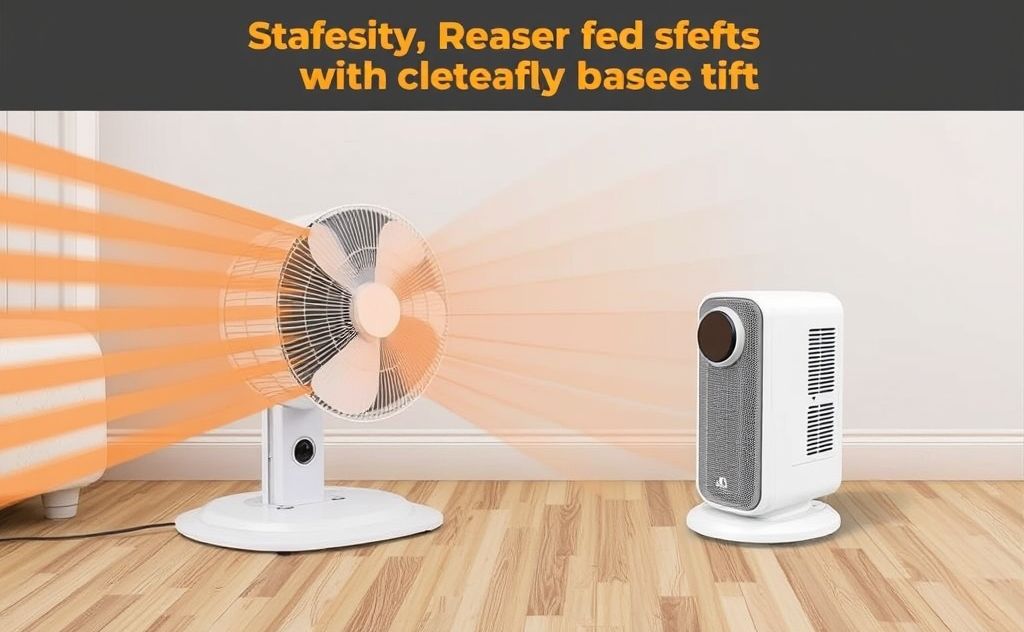
Core Safety Mechanisms in Fan Heaters
Manufacturers integrate several fail-safes to address common hazards:
Tip-Over Protection
This crucial feature immediately cuts power if the unit falls over. Most models use mercury switches or mechanical sensors that detect position changes. The Lasko 751320 ceramic tower heater exemplifies this with its instant shut-off mechanism.
Overheat Prevention Systems
Dual protection layers safeguard against excessive temperatures:
- Thermal fuses permanently disable the unit if critical temperatures are reached
- Resettable thermal cutoffs temporarily interrupt power during moderate overheating
Cool-Touch Exteriors
Advanced materials like ceramic composites and double-wall construction maintain safe surface temperatures. The outer casing of quality units rarely exceeds 110°F even during operation.
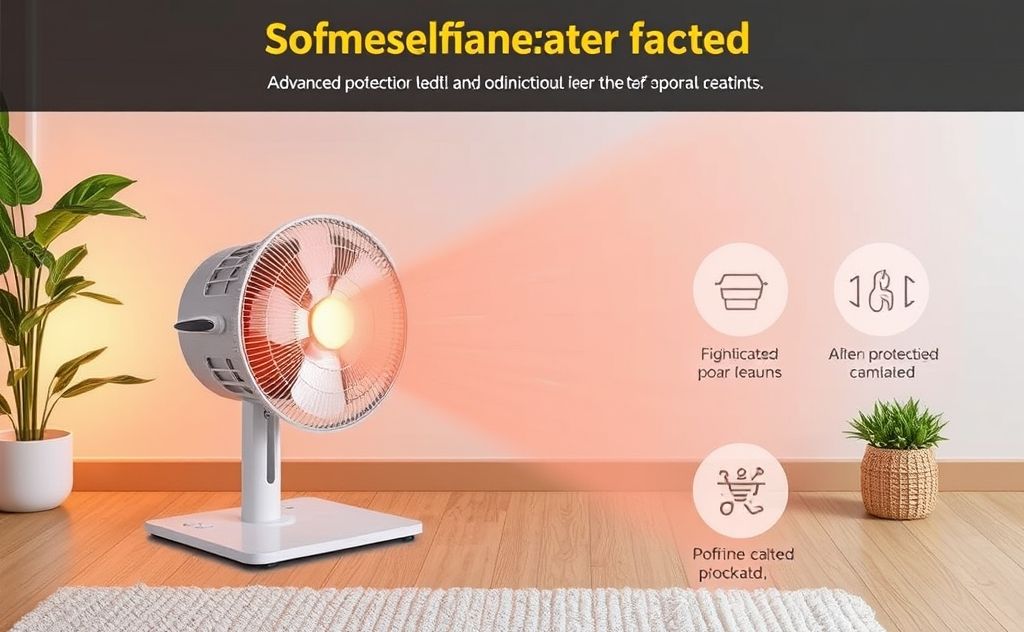
Advanced Protection Technologies
Child Safety Features
Leading models now include:
| Feature | Description |
|---|---|
| Grill designs | Finger-proof mesh with openings < 0.2 inches |
| Button locks | Require simultaneous presses to adjust settings |
Electrical Safeguards
Premium heaters incorporate:
- GFCI (Ground Fault Circuit Interrupter) plugs
- Surge protection circuits
- Polarized plugs
Material Safety Considerations
The materials used in construction significantly impact safety. Fire-resistant plastics and ceramic heating elements reduce combustion risks compared to older coil designs.
Flame Retardant Components
Modern units use:
- UL94 V-0 rated plastics (self-extinguishing)
- Ceramic PTC elements that self-regulate temperature
- Metal alloy grills instead of plastic
Usage Safety Best Practices
Even with built-in protections, proper operation is essential:
Placement Guidelines
Maintain at least:
- 3 feet clearance from combustibles
- 6 inches from walls for proper airflow
- Elevated position if used in damp areas
Maintenance Tips
Regular care ensures continued safety:
- Monthly dust removal from vents
- Quarterly inspection of power cords
- Annual professional check-up for heavy-use units
According to Consumer Product Safety Commission data, modern safety features have reduced heater-related incidents by 72% since 2010. However, proper usage remains critical.
Smart Safety Features
Newer models integrate advanced technologies:
App-Connected Monitoring
Wi-Fi enabled units like the Dyson Pure Hot+Cool provide:
- Real-time temperature alerts
- Usage history tracking
- Remote shut-off capability
Environmental Sensors
Premium heaters now detect:
- Oxygen depletion (for combustion safety)
- Air quality changes
- Room occupancy
