
Infrared Patio Heater Buying Guide: 7 Must-Know Tips
 Joye
Updated July 26, 2026
2 min read
Joye
Updated July 26, 2026
2 min read
Heater Guides is reader-supported. When you buy through links on this page we may earn a small commission — it never changes what we recommend or what you pay.
Consider factors like heating capacity, energy efficiency, safety features, and design to choose the ideal infrared patio heater for your outdoor space.
Choosing the right infrared patio heater can transform your outdoor space into a year-round retreat. This guide reveals key factors most buyers overlook when selecting between electric, propane and natural gas models.
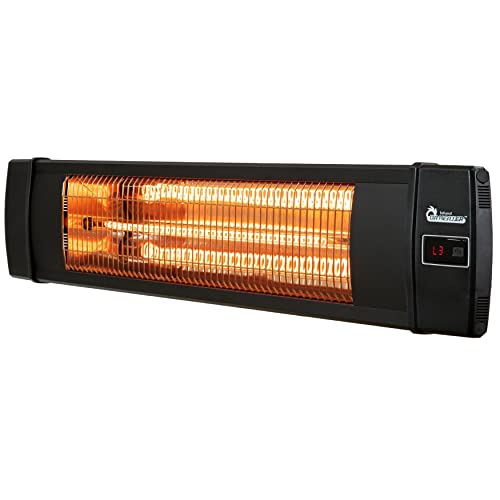
DR. INFRARED HEATER
DR. INFRARED HEATER Portable Infrared Indoor and…
INDOOR and OUTDOOR HEATER - Heater is IP55 approved for both indoor and outdoor use - perfect for home, backyard, garages, open-air restaurant, outdoor patio or deck. Create a comfortable environment for both your indoor activities and outdoor recreation.
See on Amazon
1. Understand Heat Output Requirements
Infrared heaters are measured differently than conventional patio heaters:
- Electric models: 1500-3000 watts covers 100-200 sq ft
- Propane models: 30,000-50,000 BTUs for 15-20 ft diameter
- Natural gas: 40,000-50,000 BTUs for permanent installations
For larger areas, consider multiple units or a horizontal infrared heater that projects heat directionally.
2. Fuel Type Comparison
Electric Infrared Heaters
Pros:
- Instant heat with no warm-up time
- Silent operation
- No emissions or fumes
Cons:
- Requires outdoor-rated electrical outlet
- Higher operating costs in cold climates
Propane Infrared Heaters
Pros:
- Portable with tank storage
- Works during power outages
- More heat per dollar than electric
Cons:
- Tank refills required
- Visible flame may not suit all decor
3. Mounting Options
| Type | Best For | Installation |
|---|---|---|
| Freestanding | Flexible placement | No installation needed |
| Wall-mounted | Permanent solutions | Requires secure mounting |
| Ceiling-hung | Commercial spaces | Professional installation |
For hardwired options, consider a built-in gas heater with professional installation.
4. Safety Features to Prioritize
Look for these critical safety components:
- Tip-over switch: Automatically shuts off if knocked over
- Overheat protection: Prevents dangerous temperature buildup
- Cool-touch housing: Essential for families with children/pets
- IP rating: IP65 or higher for weather resistance
5. Material Durability
Outdoor heaters face harsh conditions. Premium materials include:
- 304 stainless steel frames
- Powder-coated aluminum
- Tempered glass elements
- Ceramic infrared emitters
According to Energy.gov, ceramic elements offer the best combination of efficiency and longevity.
6. Smart Features Worth Considering
Modern infrared heaters offer advanced controls:
- Wi-Fi/app control (adjust from inside your home)
- Motion sensors (activate when people are present)
- Timers (schedule operation for energy savings)
- Thermostats (maintain consistent temperatures)
7. Maintenance Requirements
Keep your heater performing optimally:
- Electric: Wipe down quarterly, check wiring annually
- Propane: Monthly burner inspection, annual tank check
- Natural gas: Professional inspection every 2 years
For propane models, consider a quality regulator to ensure consistent performance.
The American Home Shield recommends checking local regulations before installing permanent gas heaters, as some municipalities have specific requirements.