Tips for Efficient Propane Heater Operation This Winter
On this page 7 sections
- How to Get the Most Efficiency from Your Propane Heater
- Where the Heat Actually Goes in a Propane Heater
- Running Costs and How to Lower Them
- Safety Practices for Indoor Propane Heater Use
- Maintaining Your Propane Heater for Efficiency and Longevity
- What To Do Next to Improve Your Propane Heater Use
- More Questions, Answered
Many people think all propane heaters waste fuel if left on too long or that ventless models are unsafe indoors. The truth is more nuanced: good operation can maximize efficiency and safety for both vented and ventless types.
This article explains how propane heaters work, what affects their efficiency, and practical tips to save fuel, improve comfort, and stay safe this winter.
How to Get the Most Efficiency from Your Propane Heater
Running a propane heater efficiently starts with picking the right type and managing its operation well. Infrared heaters and blue flame models both convert propane to heat at 80 to 99 percent efficiency, but they work differently and suit different spaces.
Infrared heaters warm objects and people directly, making them ideal for rooms without ductwork or where you want quick, focused heat. Blue flame radiant heaters heat the air more evenly, better for larger or more open rooms.
Efficiency ratings show how much of the propane’s energy turns into usable heat. Vented heaters lose some heat through exhaust gases, dropping efficiency closer to 80 to 85 percent. Ventless heaters recycle combustion heat inside, reaching efficiencies near 99 percent but require strict ventilation rules to avoid moisture and carbon monoxide buildup.
Using a thermostat can cut fuel use by avoiding overheating. Setting it just a few degrees lower cuts running costs noticeably without losing comfort. Ventilation affects efficiency too: too much airflow cools the room and wastes fuel, too little risks unsafe air quality.
| Heater Type | Efficiency (%) | Typical BTU Output | Estimated Running Cost (per hour at $3/gal propane) |
|---|---|---|---|
| Infrared (Ventless) | 95-99 | 9,000 to 50,000 | from about 20 to 110 cents |
| Blue Flame (Vented) | 80-85 | 10,000 to 75,000 | from roughly 25 to 150 cents |
For a house with no ductwork, a ventless infrared heater is usually the most efficient choice. It heats quickly without wasting energy on duct losses, and its direct radiant heat feels warmer at lower air temperatures. Still, monitor ventilation to keep air safe and dry.
Where the Heat Actually Goes in a Propane Heater
Infrared propane heaters are the most efficient vented type because they warm objects and people directly, not the air. This cuts heat loss in drafty or high-ceiling rooms. Direct vent propane heaters come next, pulling fresh air from outside and exhausting combustion gases outdoors, minimizing indoor heat loss.
Vented heaters lose some heat through their exhaust, usually 10 to 20 percent, depending on design and vent length. That means part of the fuel’s energy warms the outdoors, not your room. Unvented heaters avoid this but must be used with care indoors due to combustion byproducts.
Warm-air propane heaters heat the air in a room, which then circulates. This is fine in small, well-insulated spaces with low ceilings where warm air stays near people. Larger or less insulated rooms benefit more from infrared heaters since heating objects directly feels warmer at lower air temperatures.
| Heater Type | Heat Delivery | Best Room Type | Efficiency Range |
|---|---|---|---|
| Infrared (Radiant) | Direct to objects and people | Large or drafty rooms | 85–99% |
| Direct Vent | Combustion air from outside, exhausts outside | Medium rooms with ventilation | 80–90% |
| Warm-Air (Convection) | Heats room air | Small, insulated rooms | 75–85% |
Choose an infrared heater for garages, workshops, or rooms with high ceilings and drafts. For tightly sealed homes with efficient venting, a direct vent propane heater balances safety and efficiency. Smaller, well-insulated rooms work well with warm-air heaters, but expect lower efficiency and more heat loss if doors or windows open frequently.
Running Costs and How to Lower Them
Propane’s energy content is about 91,500 BTU per gallon, so a heater rated at 40,000 BTU per hour uses roughly 0.44 gallons per hour at full power (40,000 ÷ 91,500). Running it for 8 hours burns about 3.5 gallons. At $3.50 per gallon, that’s $12.25 a night.

New propane heaters reach efficiencies near 90 percent, while older models may run around 75 to 80 percent. Central air conditioners with propane backup can also hit 90 percent efficiency, but direct propane heaters often deliver more usable heat per BTU indoors because they avoid duct losses.
Keeping the thermostat at a moderate setting and using intermittent heating—turning the heater off when you’re away or asleep—reduces fuel use. Each degree you lower the thermostat can cut heating costs by 3 to 5 percent, depending on insulation and outdoor temperature.
Drafts under doors, cracks in windows, or poor sealing cause your heater to run longer, wasting propane. Improving insulation and weather stripping is often the most cost-effective way to cut heating expenses.
Regular maintenance keeps your heater running efficiently. Dirty burners or clogged vents reduce combustion efficiency and increase fuel consumption. Check and replace filters if your model has them, and clean the heater annually.
| Heater | Watts | Per hour | Per day (8 h) | Per month (30 days) |
|---|---|---|---|---|
| 40,000 BTU propane heater | 11,720 W | $1.99 | $15.94 | $478.18 |
| Typical electric space heater | 1,500 W | 26¢ | $2.04 | $61.20 |
Running costs depend on fuel price and heater efficiency. Propane’s higher BTU content means it often costs less to run than electric heaters for the same heat output, especially in cold climates where electric rates climb.
Drafts and poor ventilation can increase fuel use by 10 to 30 percent or more. Sealing leaks and ensuring your heater’s venting system is intact will save you money and improve comfort.
Check your heater’s user manual for specific maintenance schedules and fuel consumption estimates. Well-kept heaters run longer, cost less, and last more winters.
Safety Practices for Indoor Propane Heater Use
Ventless propane heaters are the most efficient indoor option, converting nearly all fuel into heat since they don’t lose energy through venting. However, their use is limited by strict local codes due to safety risks, especially in tight or poorly ventilated spaces.
Safety features like oxygen depletion sensors (ODS) and tip-over switches are critical. The ODS stops gas flow if oxygen drops below safe levels, preventing carbon monoxide buildup. The tip-over switch cuts power if the heater falls, reducing fire risk.
Proper ventilation remains essential even with ODS-equipped heaters. Carbon monoxide alarms should be installed outside sleeping areas and tested regularly, as ODS devices do not replace alarms.
Maintaining Your Propane Heater for Efficiency and Longevity
Radiant ventless propane heaters typically use fuel more efficiently than blue flame models because radiant heat warms objects directly, reducing heat loss to air movement.
Excessive propane use often results from clogged burner ports, a malfunctioning pilot assembly, or air leaks in gas connections. Addressing these issues restores efficient combustion and reduces fuel waste.
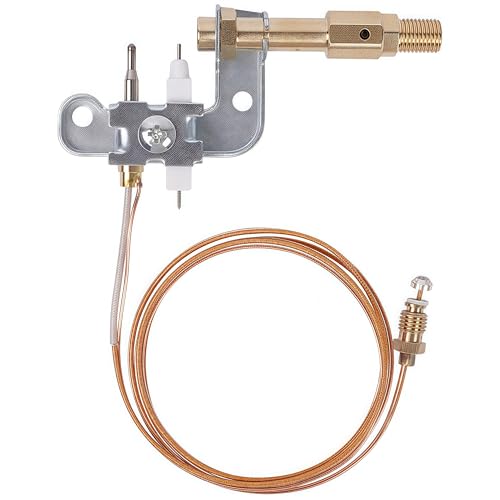
The pilot assembly includes the pilot light and thermocouple. The thermocouple senses the pilot flame’s heat and signals the gas valve to stay open. If it cools or fails, gas flow stops to prevent leaks.
Regular cleaning of burner ports with a soft brush or compressed air prevents soot buildup, which blocks gas flow and causes inefficient burning. While cleaning, check all gas connections for leaks using a soap solution—bubbles indicate leaks that must be fixed immediately.
Scheduling an annual professional inspection ensures combustion parts, gas lines, and safety devices function correctly. This step helps avoid unexpected failures and keeps your heater efficient and safe.