A terra cotta pot heater DIY project involves assembling unglazed pots and candles to create a small, localized heat source, taking about 30 minutes. It’s a simple but limited supplemental heater, not a replacement for central heating.
A terra cotta pot heater uses one or two unglazed flower pots heated by tea light candles to radiate warmth in a small area. It’s a low-cost, low-output DIY project that requires careful attention to safety and ventilation.
This guide walks you through the steps, tools, and precautions to build and use one effectively, including how much heat you can expect and what risks to avoid.
Key takeaways
A terracotta pot heater with candles produces about 30 to 40 Watts per tea light, far below 1,000 Watts needed to heat a small room.
Use only unglazed pots and place the heater on a stable, fireproof surface away from combustibles.
Ensure good ventilation to avoid carbon monoxide buildup from incomplete candle combustion.
Avoid rapid heating or moisture inside pots to prevent cracking or explosion due to thermal shock.
Never leave the heater unattended and extinguish candles safely in emergencies.
How to Make a Terra Cotta Pot Heater DIY
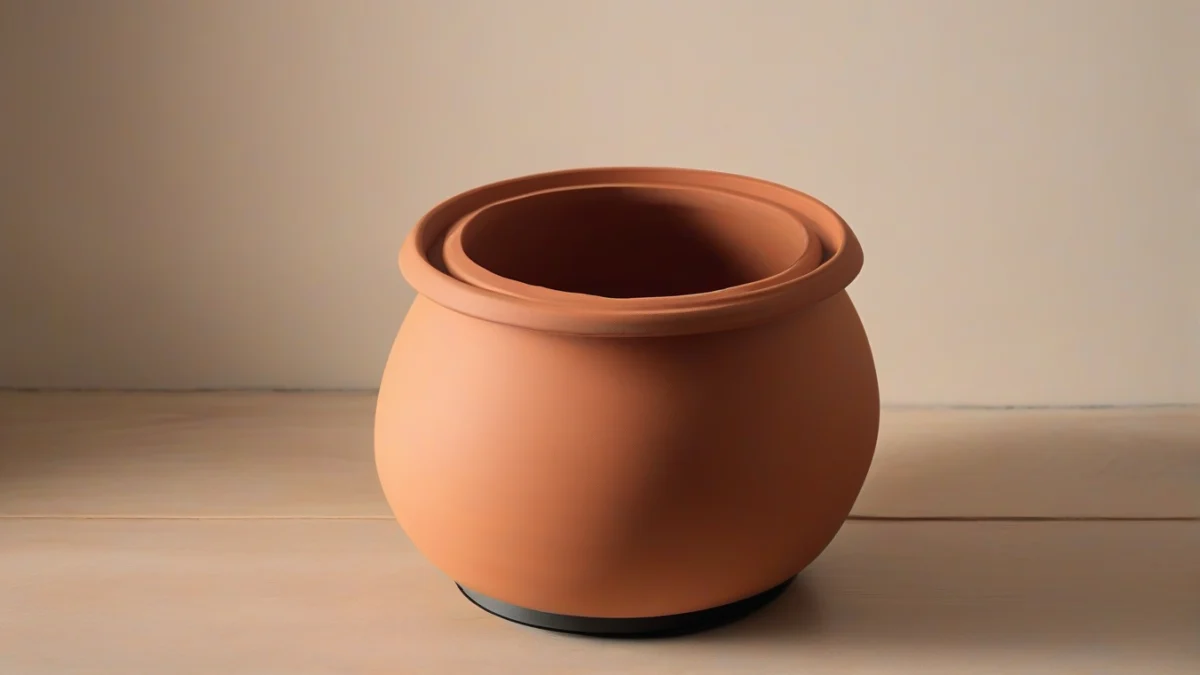
A terra cotta pot heater DIY uses two unglazed pots and several tea light candles to create a small, localized heat source. To make one, place a few candles on a fireproof base, set a smaller unglazed pot over them, then nest that inside a larger pot with spacers for airflow.
This is how to assemble your terra cotta pot heater.
1
Gather materials
Two unglazed terracotta pots—one smaller to fit inside the other—several tea light candles, a fireproof base (like a ceramic plate), and metal spacers or bolts to separate the pots.
2
Arrange candles
Place three to six tea light candles evenly spaced on the fireproof base; these provide the heat source.
3
Position smaller pot
Set the smaller pot upside down over the candles, resting on the base but not touching the flames.
4
Add spacers and larger pot
Use metal spacers or bolts to lift the larger pot over the smaller one, creating a gap to allow airflow between them and prevent direct heat stress on the pots.
The candles heat the smaller pot, which absorbs the warmth through its porous clay. This thermal energy slowly radiates from the outer surface of the larger pot, providing gentle, localized warmth to the surrounding area. The natural convection airflow between the pots helps distribute the heat evenly while preventing direct flame contact.
Fire and heat risks
Never place the heater on combustible surfaces or leave it unattended. The pots can become very hot, and trapped heat or moisture pockets inside may cause cracking or shattering if not assembled correctly.
Use unglazed pots
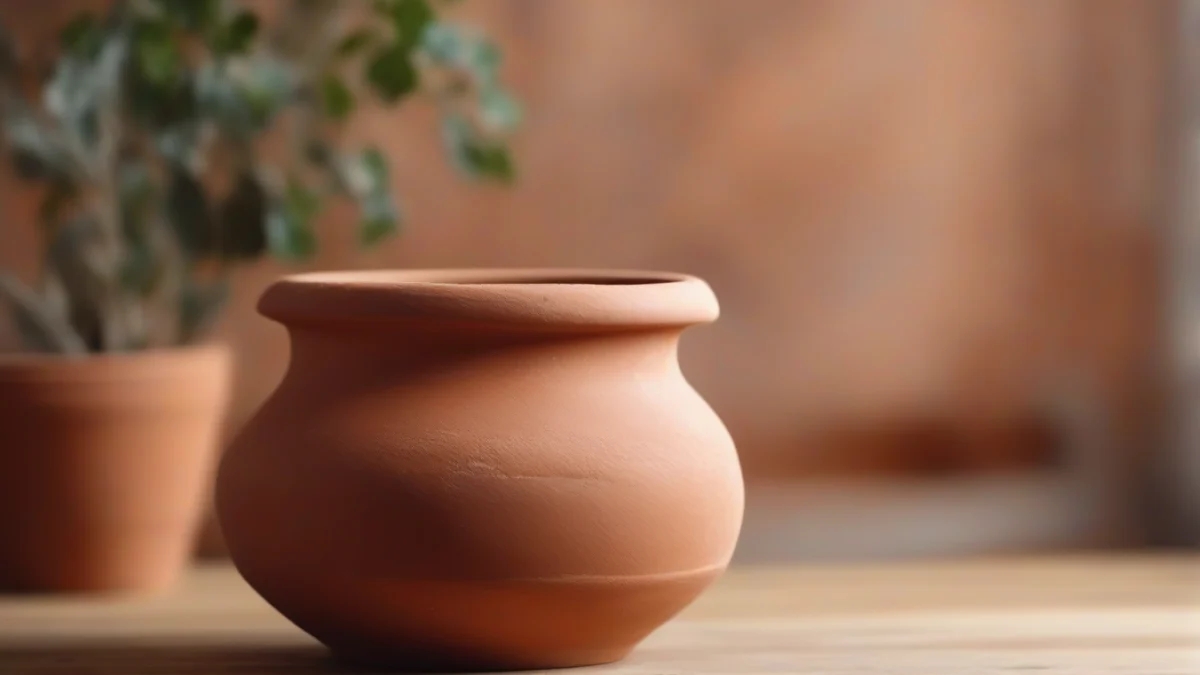
Unglazed terracotta pots work best because their porous surface absorbs and releases heat steadily. Avoid glazed pots; they trap moisture and risk thermal shock.
Before you start
Unglazed terracotta pots sized to nest
Stable, fireproof base for candles
Metal spacers or bolts for airflow
Multiple tea light candles (unscented)
Proper ventilation in the room
Typical setup
Say you arrange six tea light candles under an 8-inch smaller pot nested inside a 10-inch larger pot, both unglazed, on a ceramic plate. The setup takes about 30 minutes to assemble and will provide several hours of low-level heat.
How Much Heat a Terra Cotta Pot Heater Produces
A terra cotta pot heater produces only a modest amount of heat, limited by the fuel source—tea light candles. Each candle gives about 30 to 40 Watts of heat, so even six candles produce less than 250 Watts total.
30 to 40 W
Heat output per tea light candle
This figure sets the ceiling for any terracotta heater using candles.
Heating a small room requires roughly 1,000 to 1,500 Watts, meaning you’d need 25 to 50 tea lights burning simultaneously — an impractical and unsafe number indoors. Thus, these heaters only offer supplemental, localized warmth, not whole-room heating.
Myth
Terracotta pots trap and amplify heat to warm a room effectively
Fact
The pots act as slow-release surfaces that distribute heat gently but do not increase total heat output beyond what the candles produce.
The size and thickness of the pots mainly affect how long the heat radiates, not how much heat is generated. Larger or thicker pots hold heat longer but can’t boost the candle fuel’s limited energy.
Natural convection airflow around the pots carries warmed air slowly away from the surface. This circulation spreads warmth within a small radius but is far slower and weaker than forced-air or electric heaters.
Use outdoors or well-ventilated spaces
Because these heaters burn candles, they consume oxygen and produce carbon monoxide in incomplete combustion. Always operate them where fresh air circulates and never rely on them as your primary heat source indoors.
Safety Risks and How to Avoid Damage or Leaks
Avoid cracking or shattering your terracotta pot by heating it slowly and thoroughly drying it first. The pot’s porous clay traps moisture, and rapid temperature changes cause thermal shock. Start with a low heat source and build up gradually to prevent explosive breakage.
Ensure the terracotta pot is completely dry before use.
Myth
Terracotta pots trap and radiate heat to warm a whole room safely.
Fact
They insulate heat rather than generate more thermal energy, and enclosing candles beneath pots restricts oxygen flow, risking incomplete combustion and carbon monoxide buildup indoors.
Carbon monoxide is a real risk when burning candles inside a confined space under the pot. Restricted airflow leads to incomplete combustion, producing this odorless, deadly gas. Always use your terra cotta pot candle heater in a well-ventilated room or outdoors, never in unventilated spaces.
Fire hazard
Place the heater only on stable, fireproof surfaces like tile, concrete, or metal. Keep it clear of curtains, paper, and anything flammable. Using too many candles or placing the heater near combustible materials can cause flashover fires.
Use unglazed pots
Glazed pots trap moisture more and can crack worse under heat stress. Only use unglazed terracotta pots for this heater to reduce shattering risk and improve heat transfer.
Keep candle quantity moderate—two to four tea light candles produce about 60 to 160 watts total heat. More candles in a small room increase fire and carbon monoxide risks without warming a larger area effectively.
When to Get Permits or Hire a Licensed Professional
No permit or licensed professional is needed to build or use a terracotta pot heater running on candles—there’s no electrical or gas work involved. However, these heaters are supplemental, providing localized warmth only, not whole-room heating.
Professional installation required
If you install any gas, electric, or vented heaters meant for whole-room or home heating, local codes require licensed professionals and permits. Modifying fuel or electrical systems without this risks safety and legal penalties.
For emergency or supplemental heating, safer alternatives exist, like electric space heaters with built-in safety features or vented propane units designed for indoor use. The pot heater won’t warm a space larger than a few square feet effectively.
If you want reliable, code-compliant heat beyond a small area, invest in approved heaters professionally installed to meet safety standards, rather than relying on a DIY candle pot heater.
Checklist Before Building and Using a Terra Cotta Pot Heater
Essential Items and Conditions
Two unglazed terracotta pots, one larger than the other
Several tea light candles—not votive or larger candles
A stable, fireproof base like ceramic tile or metal
Spacers to keep pots from direct contact with candles
Room with adequate ventilation (open window or door)
Working carbon monoxide alarm in the room
Candle snuffer or extinguisher nearby for emergencies
Fire extinguisher within easy reach
Clearance from curtains, papers, and other combustibles
Safety Precautions
Never leave the heater unattended while candles burn. Terracotta pots can crack if wet or heated unevenly—dry pots thoroughly before use. Inadequate ventilation risks carbon monoxide buildup from incomplete candle combustion. Place the heater on a flat, stable surface away from anything flammable.
Frequently Asked Questions
How many candles do I need to heat a small room with a terracotta pot heater?
You would need roughly 25 to 40 tea light candles to approach the 1,000 to 1,500 Watts needed to heat a small room, since each candle produces about 30 to 40 Watts. This is impractical and unsafe due to fire and carbon monoxide risks, so terracotta pot heaters are best for very localized warmth only.
Is it safe to use a terracotta pot heater overnight or unattended?
No, it is unsafe to leave a terracotta pot heater running unattended or overnight. The open flames and restricted airflow can cause fire hazards and carbon monoxide buildup. Always extinguish candles before sleeping or leaving the area.
What type of terracotta pots work best for this heater?
Unglazed, dry terracotta pots with no cracks are best because they allow heat radiation without trapping moisture that can cause thermal shock. Choose pots thick enough to resist cracking but not so thick they slow heat transfer excessively.
How can I reduce the risk of carbon monoxide poisoning with a candle heater?
Ensure good ventilation by placing the heater in a well-ventilated area and avoid enclosing the candles tightly under the pot. Never use the heater in unventilated or sealed rooms, and always have a working carbon monoxide alarm nearby.
Can I use votive candles instead of tea lights for more heat?
Votive candles burn longer and sometimes hotter but also increase fire and CO risks. They require larger, stable setups and even more ventilation. Tea lights remain safer and more manageable for small DIY pot heaters.