

Temperature regulation techniques for wildlife conservation include habitat management, shade provision, and water access to help species adapt to climate change.
Temperature regulation is critical for wildlife survival, especially for ectothermic species like alligators and temperature-sensitive mammals like manatees. Conservationists use innovative techniques to maintain optimal thermal conditions in natural habitats.

GQF
Hova Bator Still/Thermal Air Incubator 1602N
- The GQF Hova-Bator has been wide recognized for over 30 years as the world's best small incubator.
- This Thermal Air Flow model, the 1602N, is the most economical and efficient incubator available.
- Heated air flows out the exhaust vents on top and draws fresh air through the bottom vent.
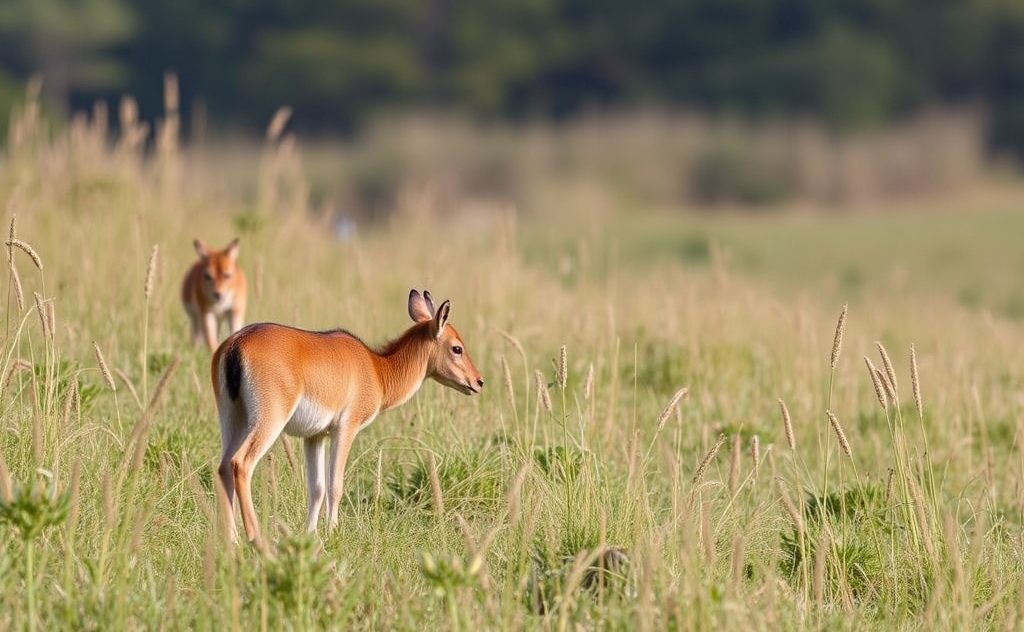
Why Temperature Matters in Wildlife Conservation

Body temperature directly impacts animal metabolism, digestion, and reproduction. The Florida Fish and Wildlife Commission notes alligators become dormant below 55°F (13°C) and stop feeding under 70°F (21°C). Manatees face life-threatening cold stress below 68°F (20°C).
1. Artificial Warm Water Refuges
Power Plant Outflows
Manatees congregate near power plant discharges where warm water mixes with natural waterways. During cold snaps, these areas prevent mass mortality events.
Geothermal Springs
Natural springs like those in Crystal River, Florida maintain 72°F (22°C) year-round. Conservation groups protect these critical habitats from human disturbance.
2. Habitat Engineering for Thermal Regulation
| Species | Technique | Effect |
|---|---|---|
| Alligators | Maintaining shoreline vegetation | Provides shade for cooling |
| Turtles | Creating basking logs | Offers sun exposure points |
| Fish | Deepening pools | Creates thermal stratification |
3. Solar-Assisted Temperature Control
Innovative solutions like solar pool heaters are being adapted for wildlife ponds. These maintain stable temperatures without electricity.
Floating Solar Arrays
Dual-purpose systems provide shade while generating renewable energy. The shaded areas create cooler microhabitats.
4. Nest Temperature Management
Alligator nest temperatures determine offspring sex. Conservationists:
- Monitor nest temperatures with probes
- Adjust vegetation cover to influence temperature
- Relocate vulnerable nests during floods
5. Climate-Controlled Rehabilitation
Wildlife hospitals use specialized equipment like propane heaters for enclosures. Precise temperature control aids recovery of:
- Cold-stunned sea turtles
- Hypothermic manatees
- Reptiles with metabolic disorders
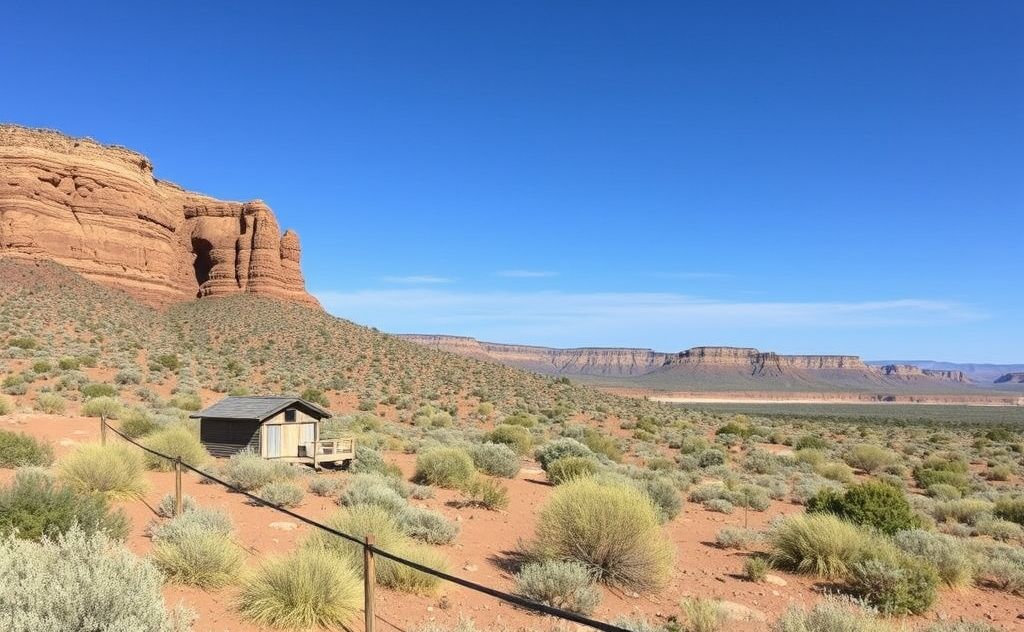
Future of Thermal Habitat Conservation
Emerging technologies include:
- Smart sensors for real-time monitoring
- Phase-change materials in artificial habitats
- Geothermal-assisted wetland design
According to US Geological Survey data, properly managed thermal refuges can increase survival rates by up to 300% during extreme weather events.
Related pick: Check today's price on Amazon

I am a mechanical engineer and love doing research on different home and outdoor heating options. When I am not working, I love spending time with my family and friends. I also enjoy blogging about my findings and helping others to find the best heating options for their needs.
