Smart Temperature Control: How AI & IoT Transform Home Comfort
On this page 6 sections
Temperature control with smart systems utilizes sensors and algorithms to optimize heating and cooling, enhancing comfort and energy efficiency in homes and buildings.
Smart temperature control systems revolutionize how we manage home climates. These advanced solutions combine IoT sensors, AI algorithms, and automation to optimize comfort while saving energy. Unlike traditional thermostats, smart systems learn your habits and adjust temperatures automatically.
How Smart Temperature Control Works
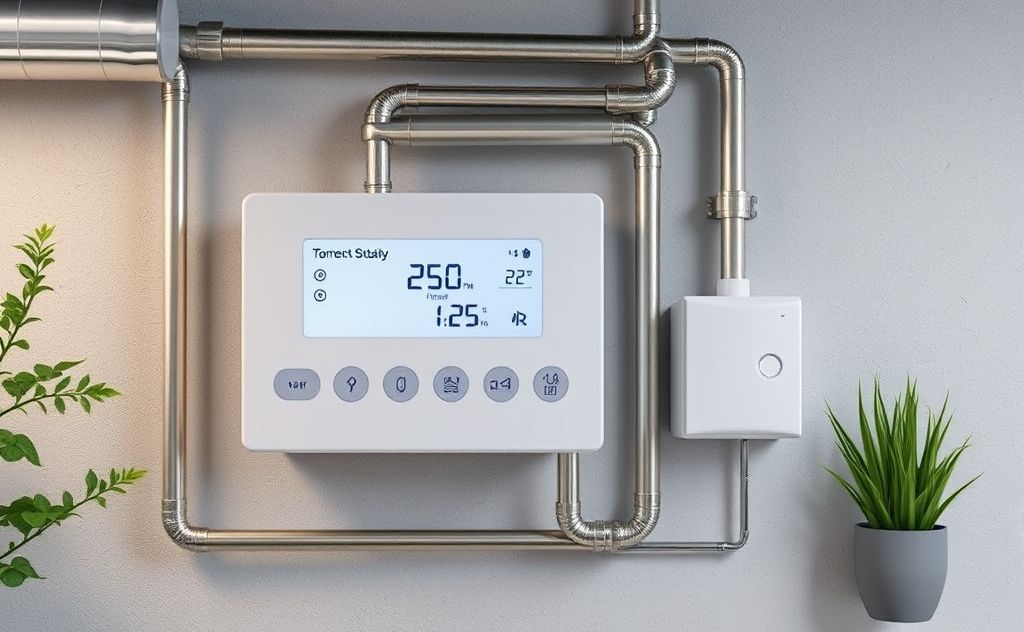
Modern smart temperature systems use multiple technologies working together:
- Wireless sensors monitor room conditions
- AI analyzes patterns and predicts needs
- Automated controls adjust heating/cooling
- Mobile apps provide remote access
Core Components
Smart Thermostats
Devices like Nest and Ecobee learn your schedule and preferences. They use motion detection and weather data to optimize settings. Some models even include advanced HVAC integration for whole-home control.
Wireless Sensor Networks
Multiple sensors placed throughout the home create a detailed temperature map. This allows for zone-based control instead of single-point regulation.
| Sensor Type | Function |
|---|---|
| Temperature | Measures ambient heat |
| Humidity | Tracks moisture levels |
| Occupancy | Detects room usage |

Benefits of Smart Temperature Systems
Energy Efficiency
Studies show smart systems reduce energy use by 15-20%. They avoid overheating empty rooms and adjust for weather changes. The U.S. Department of Energy confirms these savings.
Enhanced Comfort
Systems maintain ideal conditions in each zone. Bedrooms stay cooler at night while living areas warm up before you wake.
Remote Access
Control your home’s temperature from anywhere using smartphone apps. Adjust settings while traveling or coming home early.
Advanced Features
AI Learning
Modern systems analyze your habits over time. They notice when you leave for work and adjust accordingly. Some can even detect open windows and pause heating.
Voice Control
Integration with Alexa, Google Assistant and Siri allows voice commands. Say “make it warmer” and the system responds instantly.
Energy Reports
Detailed usage data helps identify waste. Many systems provide monthly reports with savings tips.
Installation Considerations
Proper setup ensures optimal performance:
- Place main thermostat in central location
- Install sensors in key living areas
- Ensure strong WiFi coverage
- Integrate with existing HVAC
For complex systems, consider professional installation. Our guide on HVAC tools shows what technicians use for optimal setup.
Future Trends
Emerging technologies will enhance smart temperature control:
- Blockchain for secure energy trading between homes
- Improved AI prediction accuracy
- Expanded IoT device integration
According to International Energy Agency research, these advances could double current energy savings by 2030.
Choosing the Right System
Consider these factors when selecting a smart temperature system:
- Home size and layout
- Existing HVAC equipment
- Desired features
- Budget
Smart temperature control represents the future of home comfort. These systems provide personalized environments while reducing energy costs and environmental impact. As technology advances, expect even smarter automation and integration with other home systems.
Related pick: Check price on Amazon