

You know the drill: you turn on the shower, then stand there shivering for a minute or two while the water goes from cold to lukewarm to finally hot. With a tankless water heater, that wait can feel even longer because the unit has to detect flow, fire up the burner, and then deliver heated water through the pipes. In a large house with long plumbing runs, you might waste two or three gallons of water every single time you want hot water. That adds up to thousands of gallons a year, not to mention the annoyance.
This guide covers the engineering side of fixing that problem. You’ll learn how recirculation systems work with tankless heaters, the three main pump types, how to avoid the cold water sandwich effect, what it really costs to run a recirculation pump, and how to troubleshoot common issues. By the end, you’ll know exactly which approach fits your plumbing layout and your tankless model — no guesswork.

Egmiku
Hot Water Recirculating Pump Kit for Water…
- INSTANT HOT WATER DELIVERY:The hot water recirculating pump kit ensures immediate hot water at your faucets, reducing wait times f…
- EASY DIY INSTALLATION:Complete with 4 supply lines, 4 adapters, and a user manual, this kit installs effortlessly without needing…
- ENERGY-EFFICIENT & LOW MAINTENANCE:Designed for durability with a cast iron pump head, this hot water recirculating pump operates…
If you’re looking for a simple, DIY-friendly way to get instant hot water without adding a return line, a hot water recirculating pump kit like the Egmiku model can be a solid option. It uses sensor valves that detect when water cools and pushes it back to the heater, so you get hot water in about 15 seconds instead of waiting minutes. It’s designed to work with tankless heaters and doesn’t require major plumbing changes.
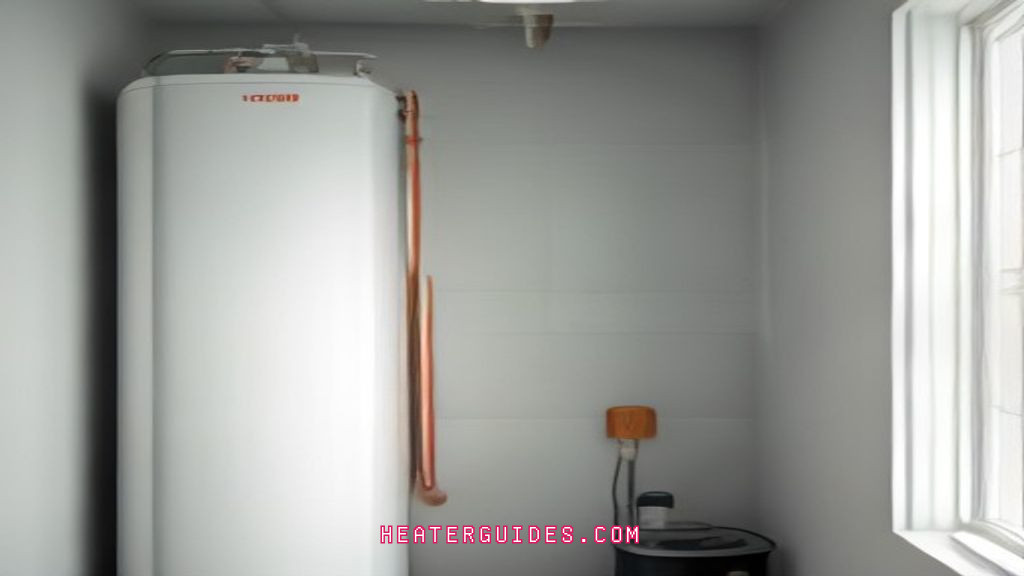
Why a Tankless System Needs a Recirculation Strategy
Most people buy a tankless water heater for endless hot water and energy savings. What they don’t realize is that the “endless” part only applies once the hot water actually reaches the faucet. The heater itself doesn’t store hot water, so every time you open a tap, the cold water sitting in the pipes has to be pushed out before the hot water arrives. In a typical home, that’s 1 to 2 gallons per use, depending on the distance from the heater.
Multiply that by every shower, every hand wash, every dish rinse, and you’re looking at 10,000 to 15,000 gallons of water wasted per year in a medium-sized household. That’s not just a water bill problem — it’s an energy problem, because the tankless heater has to fire up each time, and the cold water you’ve been running down the drain doesn’t help anything.
Recirculation solves this by keeping hot water in the pipes at all times, or by pushing cold water back to the heater when you turn on a fixture. The key difference with tankless units is that they need a minimum flow rate to activate the burner. If the recirculation flow is too low, the heater won’t fire, and you’ll just move cold water around without gaining any heat. That’s why you can’t just slap any pump on a tankless system — you need to match the pump’s flow rate to the heater’s minimum activation flow.
How Recirculation Works with a Tankless Heater (and the Cold Water Sandwich Problem)
A recirculation system has three main parts: a pump, a return line (or a bypass valve), and a check valve to prevent backflow. The pump moves water from the hot water line back to the heater, either through a dedicated return pipe or through the cold water line using a thermal bypass valve. When the water in the pipes drops below a set temperature, the pump kicks on and pushes that cooler water back to the heater, where it gets reheated. This keeps the hot water line warm and ready.
With a tankless heater, there’s a catch: the burner only fires when the flow rate exceeds a minimum threshold, usually around 0.5 to 1.0 gallons per minute (GPM), depending on the model. If your recirculation pump moves water at 0.3 GPM, the heater won’t ignite, and you’ll just circulate lukewarm water forever. That’s why you need a pump with a flow rate above the heater’s minimum, or one that uses a sensor valve to create a higher flow burst when needed.
The other issue is the “cold water sandwich.” This happens when you’re in the shower and someone else turns on a faucet, or when the recirculation pump cycles on and off. The tankless heater shuts off when flow drops below the minimum, then fires up again when flow resumes. The water in the heat exchanger cools down during the off period, so you get a blast of cold water sandwiched between hot water. A recirculation system can actually make this worse if it causes frequent on/off cycling. The fix is to use a pump with a timer or a demand-based system that only runs when you need it, plus a buffer tank or a mixing valve to smooth out temperature swings.
The 3 Main Recirculation System Types
Traditional Full-Loop Systems
A full-loop system uses a dedicated return pipe that runs from the farthest fixture back to the water heater. The pump circulates hot water through the loop continuously, or on a timer. This is the gold standard for new construction or major remodels, because it gives you instant hot water at every fixture with no waiting. The downside is the cost of adding a return line — you’re looking at extra copper or PEX, plus the labor to run it through walls and floors. In an existing home, this can be invasive and expensive.
For tankless heaters, a full loop works well if the pump is sized correctly. You need a pump that can overcome the head loss of the loop and still deliver enough flow to trigger the burner. Most residential pumps in the 1/25 to 1/20 horsepower range will do the job, but you have to check the pump curve against your loop length and pipe diameter. If the loop is too long, the flow drops, and you might get lukewarm water instead of hot.
Demand-Based (On-Demand) Pumps
Demand-based systems, also called on-demand or comfort valve systems, don’t use a return line. Instead, a pump is installed at the water heater, and a sensor valve is placed under the sink farthest from the heater. When you turn on the hot water, the valve senses the cold water and opens a bypass that pushes it back to the heater through the cold water line. The pump runs until the valve senses hot water (usually around 98°F), then shuts off. This way, you get hot water at the faucet in seconds, but the pump only runs when you actually need it — which saves energy compared to a full loop that runs 24/7.
The trade-off is that the pump uses the cold water line as a return path, so you’ll get a brief burst of warm water in the cold line for a few seconds after a hot water draw. That’s usually not a problem, but it can be surprising if you’re filling a glass of cold water right after someone showered. Also, demand systems only work for one fixture at a time unless you install multiple sensor valves. If you have a large home with multiple bathrooms, you might need a valve on each remote fixture.
Fixture-Level (Under-Sink) Pumps
Fixture-level pumps are small units installed directly under a sink or near a specific fixture. They work like a mini recirculation loop: a pump pulls cold water from the hot water line and pushes it into the cold water line, which sends it back to the heater. A thermostat or a sensor shuts the pump off when the water gets hot. These are great for a single bathroom or a kitchen sink, and they’re easy to retrofit because they don’t require a return line or a valve at the heater.
The downside is that they only serve one fixture. If you have a master bath and a kitchen on opposite sides of the house, you’d need two pumps. They also add a small amount of heat to the cold water line, which might not be ideal if you like ice-cold drinking water. But for a targeted fix — say, the bathroom sink that’s farthest from the heater — a fixture-level pump is a cheap, effective solution.
Smart Features and App Control for Modern Pumps
Modern recirculation pumps are getting smarter. Many now come with Wi-Fi connectivity and app control, so you can schedule when the pump runs, set temperature thresholds, and even trigger it remotely from your phone. For example, you can set the pump to run only during your morning and evening routines, or turn it on from bed so the bathroom is warm when you get up. Some pumps integrate with voice assistants like Alexa or Google Home, so you can say “turn on hot water recirculation” and the pump starts.
The advantage of smart scheduling is energy savings. A pump that runs 24/7 uses electricity even when nobody’s home, and it causes the tankless heater to fire periodically to maintain temperature, which wastes gas or electricity. With a timer or app-based scheduling, you can limit operation to the hours you actually need hot water. Some systems even use learning algorithms to predict your usage patterns over time, adjusting the schedule automatically.
When choosing a smart pump, look for one that works with your existing home automation ecosystem. Most use Zigbee, Z-Wave, or Wi-Fi directly. The Egmiku kit mentioned earlier has a built-in programmable timer, which is a basic form of scheduling, but it doesn’t have app control. If you want voice control, you’ll need a more advanced unit like the Phyn or Watts models, which typically cost more.
The Real Cost-Benefit Analysis: Water Saved vs. Energy Used
Everyone talks about saving water, but what does that actually mean for your wallet? Let’s break down the numbers. A typical household wastes about 10,000 to 15,000 gallons of water per year waiting for hot water. The average cost of water in the U.S. is about $1.50 per 1,000 gallons, plus sewer charges that often double that. So you’re looking at $30 to $45 per year in water and wastewater savings if you eliminate that waste entirely.
Now, the energy cost of running a recirculation pump. A typical pump uses about 30 to 60 watts when running. If it runs 24/7, that’s 0.7 to 1.4 kWh per day, or 255 to 511 kWh per year. At the national average of $0.16 per kWh, that’s $40 to $80 per year in electricity just for the pump. Plus, the tankless heater will fire periodically to reheat the water in the loop, which adds to your gas or electric bill. That could be another $50 to $150 per year, depending on how well insulated your pipes are.
So a continuous recirculation system might actually cost you more in energy than you save in water. The math changes if you use a demand-based system or a timer. A demand pump only runs for a few minutes at a time, maybe 30 to 60 minutes per day total. That cuts the pump electricity down to $5 to $15 per year, and the heater firing is minimal because the water in the pipes doesn’t cool down much between uses. In that scenario, you’re saving $30 to $45 in water and spending maybe $10 to $20 in energy, for a net gain of $10 to $35 per year. Not huge, but the comfort factor is worth something.
Here’s a comparison table to make it clearer:
| System Type | Annual Water Saved (gal) | Annual Water Cost Savings | Annual Pump Energy Cost | Annual Heater Energy Cost | Net Annual Savings |
|---|---|---|---|---|---|
| No recirculation (baseline) | 0 | $0 | $0 | $0 | $0 |
| Demand-based pump (timer) | 10,000 | $30 | $10 | $15 | $5 |
| Full loop (24/7) | 12,000 | $36 | $60 | $100 | -$124 |
| Full loop (timer, 6 hrs/day) | 12,000 | $36 | $15 | $30 | -$9 |
These numbers are rough averages; your actual costs depend on local water rates, your tankless heater’s efficiency, and how well your pipes are insulated. But the takeaway is clear: the most cost-effective approach is a demand-based system or a full loop with a timer, not a 24/7 recirculation loop.
Installation Considerations for Tankless Units
Sensor Placement and Flow Rate Matching
If you’re installing a demand-based system, sensor placement matters. The sensor valve should be at the fixture farthest from the heater, because that’s where the longest wait occurs. If you put it closer, you’ll get hot water at that closer fixture, but the far one will still be slow. Some systems allow multiple sensors, but each one adds cost and complexity.
More importantly, you need to match the pump’s flow rate to your tankless heater’s minimum activation flow. Check the specs in your heater’s manual — it’s usually listed as “minimum flow rate” or “activation flow.” For most residential tankless units, that’s between 0.5 and 1.0 GPM. Your recirculation pump must move at least that much water when it’s running, otherwise the burner won’t ignite and you’ll just circulate cold water. The Egmiku kit, for example, is designed to work with tankless heaters, so it likely meets this requirement, but always verify with your specific model.
Pro tip: if your pump’s flow rate is too low, you can install a bypass valve that opens a small port to increase flow when the pump runs. This is a common trick for retrofitting recirculation onto tankless systems.
PEX vs. Copper Loop Design
If you’re adding a dedicated return line, the pipe material matters. PEX is easier to install and cheaper than copper, but it has higher thermal resistance, which means more heat loss along the loop. That’s not a huge deal if you’re using a timer, but it can make a 24/7 system even less efficient. Copper conducts heat better, so it maintains temperature better, but it’s more expensive and harder to work with in tight spaces.
Another consideration is the loop length. A general rule of thumb is to keep the loop under 150 feet total for a residential system. Longer loops require a bigger pump and cause more heat loss. If you have a multi-story home, you might need separate loops for each floor, or a single loop with a zone valve system. That’s a more advanced setup, and it’s worth consulting a plumber if you’re not comfortable with the design.
Also, make sure to insulate the hot water pipes, especially in unconditioned spaces like crawlspaces or attics. This reduces standby heat loss, which is the main energy drain in a recirculation system. Even a modest layer of foam insulation can cut heat loss by 50% or more.
Troubleshooting Common Recirculation Issues (Flow Chart)
Here’s a practical decision tree for the most common problems you’ll run into.
- Pump runs, but no hot water arrives? Check if the pump is actually moving water. Is the flow rate above your heater’s minimum? If not, adjust the bypass valve or replace the pump. Also check the sensor valve — if it’s stuck open, the pump might be circulating through the cold line without heating.
- Water hammer or banging noises? This often happens when the pump turns on or off suddenly, causing pressure surges. Install a water hammer arrestor near the pump or at the farthest fixture. You can also try slowing down the pump’s startup using a variable speed model.
- Pump is noisy? A loud pump might be cavitating (air bubbles in the water). Check for air in the lines and bleed the system. Also verify the pump is mounted in the correct orientation — most pumps have an arrow indicating flow direction.
- Cold water sandwich happens frequently? This is a tankless-specific issue. Try increasing the pump’s run time so the heater stays on longer, or install a small buffer tank (2-5 gallons) between the heater and the recirculation loop. The buffer tank stores hot water and smooths out temperature fluctuations.
- Pump cycles on and off too often? This is usually a sensor issue. The sensor valve might be set too close to the heater, causing it to open and close rapidly. Move it farther away, or check the temperature threshold — it should be set to around 98°F to 104°F, depending on your preference.
- No power to the pump? Check the GFCI outlet and the pump’s internal thermal overload switch. Some pumps have a reset button that trips if the motor overheats. Let it cool down and press reset.
If you’re still stuck, try disconnecting the pump and running the system without recirculation to see if the issue persists. That helps isolate whether the problem is the pump or the heater.
Recirculation with Heat Pump Tankless Water Heaters
Heat pump tankless water heaters (also called hybrid or dual-fuel units) are a different beast. They use a heat pump to extract heat from the air, which is very efficient, but they have a lower output capacity than gas or electric resistance units. They also have a slower recovery time, so recirculation can be a problem.
When you run a recirculation pump, the heat pump tankless unit has to work harder to keep the water in the loop hot. This can cause the heat pump to run longer and more frequently, which reduces its efficiency and may shorten its lifespan. Some manufacturers actually recommend against recirculation with heat pump models, or they require a buffer tank to handle the extra demand.
If you have a heat pump tankless unit, the best approach is a demand-based system with a timer, so the pump only runs when you need it. Avoid 24/7 recirculation. Also, check your heater’s manual for any recirculation-specific recommendations. Some models have a built-in recirculation mode that adjusts the control logic to work with a pump, but not all do.
Another option is to use a point-of-use heater at remote fixtures instead of recirculating from the main heater. This is often more efficient for heat pump units, because you’re heating water locally without the standby losses of a long loop. It’s a trade-off: you’re installing extra equipment, but you avoid the efficiency penalty.
Final Verdict: Is It Worth It for Your Home?
So, should you add recirculation to your tankless system? Here’s my honest take:
- If you have a small home (under 1,500 sq ft) with short plumbing runs, you might not need it. The wait is probably under 30 seconds, and the water waste is minimal.
- If you have a large home or a bathroom far from the heater, a demand-based system is the most cost-effective choice. It gives you instant hot water without the energy penalty of a 24/7 loop.
- If you’re building new or doing a major remodel, consider a full loop with a timer. It’s the most convenient, and if you insulate the pipes well, the energy cost is manageable.
- If you have a heat pump tankless unit, be very careful. Stick with a demand system and avoid continuous recirculation, or use point-of-use heaters instead.
- Don’t forget the maintenance. Recirculation pumps can last 5-10 years, but they need occasional cleaning to remove scale buildup, especially in hard water areas. A simple annual flush can extend their life.
- Check your local building codes. Some areas require a check valve and a backflow preventer on recirculation systems to protect the potable water supply. Your plumber should know the local requirements.
- Finally, remember that the biggest benefit isn’t the water savings — it’s the comfort. Waiting 15 seconds instead of 2 minutes for hot water is a quality-of-life improvement that’s hard to quantify.
If you decide to go the DIY route, the Egmiku recirculating pump kit is a decent entry point. It includes the pump, sensor valves, and fittings, so you don’t need to buy extra parts. Just make sure it’s compatible with your tankless model’s flow requirements. And if you’re not comfortable with plumbing, hire a licensed plumber — the installation isn’t complicated, but a mistake can cause water damage.
For more on related topics, check out this hot water faster guide or this mini tank water heater review if you’re considering point-of-use alternatives.

I am a mechanical engineer and love doing research on different home and outdoor heating options. When I am not working, I love spending time with my family and friends. I also enjoy blogging about my findings and helping others to find the best heating options for their needs.
Related guides

Do Tankless Water Heaters Need Water Softeners?
A water softener is often recommended for tankless water heaters to prevent scale buildup, enhancing efficiency and extending…
Why Is My Water Tank Beeping? Troubleshooting Guide
It's 2 AM. You're half asleep, and somewhere in the utility closet, a steady beep is drilling into…
How to Turn On Your Rheem Water Heater: Complete Guide
The water's been cold for two days. You've checked the breaker, maybe fiddled with the dial, and now…