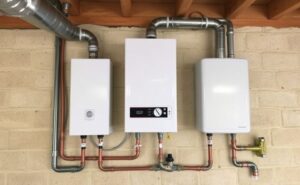
Why Tankless Water Heaters Can Delay Hot Water by Up to 30 Seconds
On this page 8 sections
- Complaints About Tankless Water Heaters and What They Mean
- How Water Quality Affects Tankless Water Heater Performance
- Sizing Tankless Water Heaters for Household Hot Water Demand
- Installation Challenges and Infrastructure Upgrades Needed
- Maintenance Steps and Troubleshooting Common Problems
- Energy Savings and Running Costs Compared to Traditional Tanks
- What To Do Next to Avoid Complaints and Get Reliable Hot Water
- Frequently Asked Questions
Tankless water heaters promise endless hot water and energy savings but often come with frustrations. This article breaks down the main complaints users experience, explains why they happen, and shows you how to avoid or fix them.
You’ll get clear numbers on flow rates, maintenance frequency, and running costs plus practical advice on sizing and installation upgrades.
Complaints About Tankless Water Heaters and What They Mean
Common complaints about tankless water heaters include mineral buildup, system overload, delayed hot water delivery, installation challenges, and ignition problems. These issues generally trace back to water quality, sizing limits, infrastructure needs, and maintenance lapses.
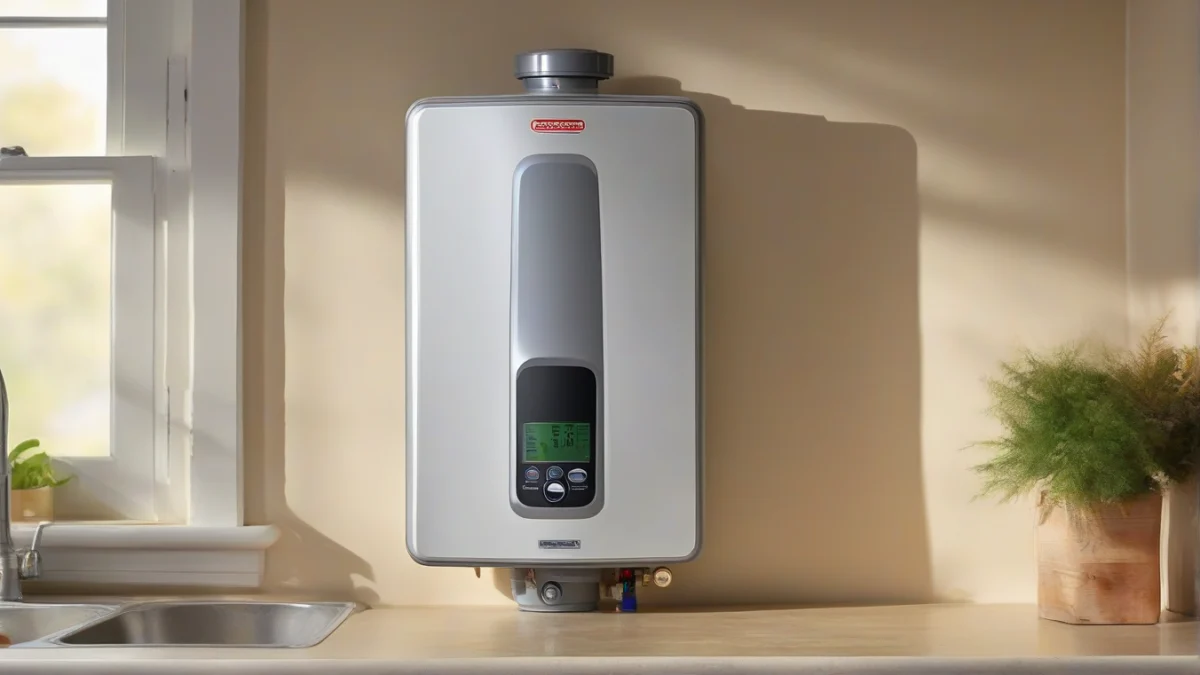
Mineral buildup comes from hard water deposits inside the heat exchanger and pipes, restricting flow and reducing efficiency. Flushing the unit with a descaling solution every 12 months helps prevent this and can extend its lifespan significantly.
System overload happens when the combined flow rate demand exceeds the heater’s capacity, causing it to shut down or deliver lukewarm water. Most residential units handle between 2 and 12 gallons per minute; running too many fixtures simultaneously can trip safety limits.
The cold water sandwich effect occurs during back-to-back hot water uses, leaving a brief burst of cold water between hot flows. This is due to residual water in the heat exchanger cooling down before reheating, and it can be reduced but not entirely eliminated by recirculation or buffering systems.
Hot water delay is another frequent complaint. Tankless heaters heat water on demand but can’t speed up the time water takes to travel through pipes to distant fixtures. This delay is sometimes longer than with storage tank heaters that keep hot water ready nearby.
Installation costs for tankless water heaters are generally higher than storage tanks because they often require gas line upgrades or increased electrical capacity. Venting requirements can also add complexity and expense, especially for gas models.
Ignition and flame failure are signs the unit isn’t burning fuel properly, causing no hot water or the unit to shut off unexpectedly. These issues often stem from clogged burners, dirty sensors, or insufficient gas supply and usually need a technician for repair.
Yearly running costs for tankless water heaters depend on fuel type and usage but typically fall around 12 to 20 cents per hour for gas models under average household use. Monthly costs vary with hot water demand but can be lower than traditional storage tanks due to higher efficiency and no standby losses.
A tankless water heater flush kit includes a pump, hoses, and descaling solution to circulate through the unit and remove mineral deposits. Using this kit annually is key to maintaining flow rates and preventing damage.
How Water Quality Affects Tankless Water Heater Performance
Mineral buildup from hard water is the most frequent maintenance challenge with tankless water heaters. Calcium and magnesium dissolved in your water settle inside the heat exchanger as scale, narrowing flow paths and reducing heat transfer efficiency.
How often should a tankless water heater be flushed to prevent mineral buildup? In regions with hard water, yearly or semi-annual flushing is standard to clear scale deposits. Skipping this step leads to reduced flow rate and can trigger safety shutdowns when the heater senses overheating or insufficient water flow.
Using a water softener system or chemical solutions designed to inhibit scale can protect your heater. A water softener swaps calcium and magnesium ions for sodium, reducing hardness before water reaches the heater. Chemical treatments slow scale formation but require careful dosing and regular monitoring.
Chemical descaling solutions specifically formulated for tankless water heaters dissolve mineral deposits without damaging the heat exchanger’s metal surfaces. Follow manufacturer instructions closely, as the wrong solution or concentration can cause corrosion or void warranties.
Water quality impacts both lifespan and daily performance. Mineral deposits narrow pipes and heat exchanger passages, lowering flow rate below the heater’s rated capacity. This can trigger shutdowns, leaving you with no hot water until the system is flushed or repaired.
Sizing Tankless Water Heaters for Household Hot Water Demand

Choosing the correct tankless water heater setup depends mainly on matching the unit’s flow rate to your household’s peak hot water demand. Typical residential tankless units provide between 2 and 12 gallons per minute (GPM) of hot water.
Can a tankless water heater handle simultaneous hot water demands for a large family? Only if sized properly. Oversizing wastes energy by heating more water than needed, while undersizing causes the unit to overload, reducing water temperature or triggering shutdowns.
Start by estimating your household’s peak demand. Count the number of fixtures likely to run at once—showers, faucets, dishwashers, and washing machines. Each fixture has a typical flow rate: a shower uses about 2.5 GPM, a faucet around 1.5 GPM, and a dishwasher roughly 1.5 GPM.
| Fixture | Flow Rate (GPM) |
|---|---|
| Shower | 2.5 |
| Bathroom Faucet | 1.5 |
| Kitchen Sink | 1.5 |
| Dishwasher | 1.5 |
| Washing Machine | 2.0 |
Keep in mind the temperature rise required affects sizing. If incoming water is 50°F and you want 120°F out, the heater must supply a higher BTU output than if the incoming water is 70°F. Higher temperature rises reduce the unit’s effective flow rate.
Oversizing a tankless water heater isn’t just wasteful; it can cause short cycling, where the unit turns on and off frequently, wearing components faster. Undersizing leads to lukewarm water or no hot water if the unit shuts down to protect itself.
For more on how tankless water heaters operate and manage flow, see how tankless water heaters work.
 Water Heater Owner's ToolkitFix the common faults yourself, keep it running for years, and know when a repair is money wasted.No-hot-water flowcharts, gas and electricFlush, anode, relief valve and descaling stepsRepair-or-replace calculator (Excel)
Installation Challenges and Infrastructure Upgrades Needed
Installing a tankless water heater inside your home demands more than just finding a spot on the wall; it often requires upgrades to your gas line, electrical panel, and venting system. These upgrades add time and cost upfront, which many homeowners don’t anticipate.
Gas-powered tankless water heaters need a larger gas supply line than traditional tanks to handle peak demand. A typical gas storage heater might run on a 1/2-inch line, but a tankless unit often requires a 3/4-inch or even 1-inch line to supply enough fuel for rapid heating. Without this upgrade, the heater may underperform or shut down to prevent unsafe conditions.
Electric tankless water heaters draw high amperage, often 100 amps or more depending on size. Most homes have a 100- or 150-amp service panel. Installing an electric tankless unit may require a panel upgrade or a dedicated subpanel to handle the load safely. This isn’t a simple plug-and-play job; it involves a licensed electrician, permits, and possibly rewiring parts of your home’s circuit.
Venting is another critical piece. Gas tankless models produce combustion gases that must exhaust outdoors through a properly sized and code-compliant vent system. Standard atmospheric vents used for storage tanks often won’t work. You’ll need stainless steel or special PVC vent pipes installed according to local building codes to avoid carbon monoxide hazards and maintain efficiency.
These infrastructure requirements drive installation costs well above those of a traditional tank heater. Expect labor and parts for gas line upgrades, electrical panel work, and vent installation to add hundreds or thousands of dollars. Installation times are longer, too, sometimes requiring days instead of a few hours.
| Upgrade Type | Common Requirement | Why Needed |
|---|---|---|
| Gas line | Increase to 3/4-inch or 1-inch pipe | Supply sufficient fuel for heating on demand |
| Electrical panel | Upgrade service or add subpanel | Provide high amperage needed by electric units |
| Venting | Install stainless steel or approved PVC venting | Safely exhaust combustion gases outdoors |
Maintenance Steps and Troubleshooting Common Problems
Flushing your Rinnai tankless water heater annually is essential to clear mineral buildup, especially if your water supply is hard. Use a tankless water heater flush kit—a pump, hose, and descaling solution—to circulate cleaner through the heat exchanger until deposits dissolve. Skipping this step reduces efficiency and risks costly repairs.

Energy Savings and Running Costs Compared to Traditional Tanks
Tankless water heaters cut energy waste by heating water only when you need it, eliminating the standby heat loss common with traditional storage tanks.
Gas tankless models typically reach 80 to 85% thermal efficiency, compared to 60 to 70% for conventional gas storage tanks. That means lower fuel use for the same hot water output.
Electric tankless heaters can be 99% efficient, but their high power draw often demands costly electrical upgrades, especially in older homes without sufficient circuit capacity.
| Heater Type | Typical Power or Fuel Use | Monthly Running Cost* |
|---|---|---|
| Gas Tankless | ~20,000 BTU/hr | Typical replacement cost range |
| Gas Storage Tank | ~30,000 BTU/hr | Typical replacement cost range |
| Electric Tankless | ~8 to 12 kW | Typical replacement cost range |
| Electric Storage Tank | ~4.5 kW | Typical replacement cost range |
Calculating costs: Running a 20,000 BTU/hr gas tankless unit for 3 hours uses about 60,000 BTU or 0.6 therms (1 therm = 100,000 BTU). At $1.10 per therm, that’s about 66 cents per day or $20 per month.
Compared to a gas storage tank using about 30,000 BTU/hr to keep water hot continuously, the tankless model saves roughly 30 to 40% on fuel, mostly by avoiding standby losses.
Electric tankless heating elements can draw up to 12 kW, pushing your electrical service limits and raising monthly costs. Running 12 kW for 3 hours is 36 kWh; at 17 cents, that’s $6.12 daily or about $184 monthly—higher than electric tanks due to instantaneous heating demands.
Choosing a tankless water heater company means balancing upfront installation cost with these operational savings. Gas tankless units usually pay back faster in fuel savings than electric ones because of lower fuel prices and less electrical load.
What To Do Next to Avoid Complaints and Get Reliable Hot Water
Installation guidelines usually require a licensed plumber or electrician, especially for gas piping changes or electrical panel upgrades. Self-installing a tankless water heater is risky and often voids warranties.
For a reliable brand list, look to those with proven service networks and positive user feedback. Getting the right size and planning infrastructure upgrades before you buy will prevent most common complaints.
Avoid surprises by asking about installation timeline and parts availability. Some models take longer to order or install due to venting or electrical needs.
Following these steps prepares your home for a tankless water heater that delivers consistently, saving energy and avoiding the typical headaches.