

Most solar-powered heating units use the sun’s energy to warm air or water, then move that heat where it’s needed. They’re a solid fit for off-grid sheds, small animal shelters, and greenhouses, but they won’t replace a furnace for a whole house.
If you’re considering solar for heat, you’ll want to know how much warmth you actually get, how the systems work, and what it means for your comfort and costs over a winter.
Solar-Powered Heating Units Explained
A solar-powered heating unit uses sunlight to create useful heat for a space, either directly with a collector or indirectly by powering an electric heater. The three main types of solar heating systems are solar air heaters, solar water heaters, and solar-powered electric heaters; the right one depends on what must be heated, how large the space is, and whether you need heat after sunset.
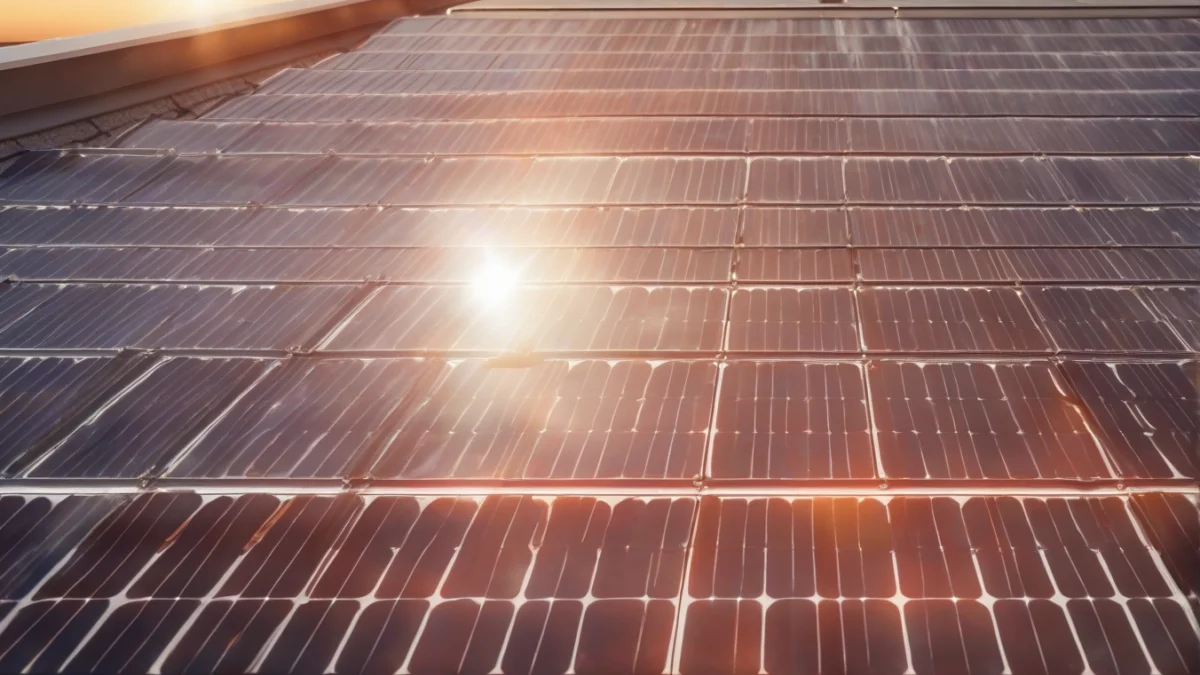
Solar heating systems for houses usually mean solar water heating for household hot water or a larger thermal system connected to radiant floors, radiators, or air-handling equipment. Photovoltaic panels can instead supply an electric heater, but that arrangement needs enough panel, inverter, and possibly battery capacity to match the heater’s demand. A small solar air heater is a more natural fit for a shed, workshop, or greenhouse; see our guide to solar-powered shed heating if that is the space you’re trying to protect.
| Type | Where It Fits | What It Can Heat |
|---|---|---|
| Solar air heater | Small sunny rooms, sheds, workshops, and some greenhouses | Room air directly |
| Solar water heater | Homes with suitable plumbing and a storage tank | Domestic hot water, radiant floors, or hydronic radiators |
| Solar-powered electric heater | Small rooms or spot heating where panels, an inverter, or a battery can supply the load | Air or nearby objects through an electric heating element |
Solar heating works best when the space has modest heat loss and receives useful sun. Clouds reduce output, large rooms need far more collector or electrical capacity, and the sun supplies no new heat at night. Stored hot water, a battery, or another heater can cover those gaps, but each adds equipment and cost. A conventional electric heater is easier to control in any weather, while a fuel-burning heater can provide strong on-demand heat but needs fuel, ventilation, and carbon-monoxide protection.
How Solar Heating Units Actually Make Heat
Solar heating works by capturing sunlight as heat or turning it into electricity, then moving that energy to your space. A solar water heating system sends sun-warmed fluid through a heat exchanger into a tank, while a solar powered heater usually sends panel electricity to a fan, resistance element, or heat pump. The main elements of a solar heating system are the collector or PV panel, wiring or pipes, controls, a fan or pump, and storage if you want heat after sunshine.
| Approach | How heat moves | Typical storage |
|---|---|---|
| Solar-thermal air | A dark absorber warms air; a fan moves it through a duct | None, or thermal mass such as masonry or rocks |
| Solar-thermal water | A collector warms fluid; a pump or natural circulation carries it to a tank | Insulated water tank |
| Solar-electric | PV panels make electricity for a heater, fan, or heat pump | None, or a battery |
An air collector uses a dark absorber inside an insulated box, often behind a clear cover. Air passes over that hot surface and returns through a duct, so the room receives warmth without the collector fluid entering the room. A temperature control can start the fan only when the collector is warmer than the room. These are the basic mechanics behind solar powered air heaters.
Solar water heating works a little differently. A pump sends water or heat-transfer fluid through the collector, then a heat exchanger transfers that heat into stored household water or a hydronic loop. Some systems circulate water directly; others keep antifreeze in a closed collector loop so the storage water stays separate. The tank is the useful part after the collector stops receiving sunlight.
Solar panels powering an electric heater take an extra step: sunlight becomes electricity, electricity travels through wiring and possibly an inverter or charge controller, and the heater turns it into warmth. A resistance element converts nearly all of the electricity reaching it into heat, but panel, wiring, inverter, and battery losses mean less of the original sunlight becomes room heat than with a direct thermal collector.
Thermal mass can hold heat in water, masonry, or rocks for later release; a battery can hold electricity for a fan or electric heater. A system with no storage stops producing useful heat when clouds block the sun or night arrives. Even a battery or tank is finite, so cloudy-day and overnight operation needs enough capacity or a backup heater.

Where the Heat Actually Goes
Solar heat works best in a small, sun-exposed space with modest heat loss; it usually supplements rather than replaces whole-house or garage heating. Solar heating for a house can reduce a heating load, but a standalone solar unit rarely maintains every room after sunset. For the most efficient home heating unit in an electric home, a properly sized heat pump is usually more practical for whole-house duty; solar panels can offset its electricity.
Solar heating for an inground pool is a different job: collectors can warm pool water gradually over sunny days, but that system won’t provide useful room heat. Solar-powered shed heating and solar powered heaters for greenhouses fit better because the spaces are small and can accept daytime temperature swings; see this guide to solar powered heaters for greenhouses for greenhouse-specific sizing.
As a cautious planning range, a small solar air heater may deliver about 500 to 1,500 W, or roughly 1,700 to 5,100 BTU per hour, in strong sun. A small solar water-heating system may collect roughly 5,000 to 20,000 BTU over a good sunny day, though collector area, cloud cover, shading, and water temperature can move that number sharply. Those are planning ballparks, not guaranteed ratings.
| Space | What a small solar unit may do | Main limitation |
|---|---|---|
| Pet shelter | Provide direct warmth in a small area | Air leaks and nighttime cold overwhelm it quickly |
| Small insulated shed | Raise the daytime temperature | The door opening and poor insulation consume the heat |
| Greenhouse | Reduce daytime heating demand or delay frost | Glazing loses heat quickly after sunset |
| 100–150 sq ft room | Offer localized or supplemental room heating | A cloudy day can leave the room underheated |
| 400 sq ft or larger garage | Warm a person or work area nearby | Standalone solar output is usually too small for the whole garage |
Heating a garage is harder because the volume, slab, door, and air leaks are large. Heating garages with a solar unit can make sense for a small insulated work corner, but a whole uninsulated two-car garage needs a heat-loss calculation and usually a larger system or another heat source.
Running Costs, Comfort, and Safety
Sunlight does the heating work, so a solar heating unit’s main function is to capture energy and deliver warmth without purchased fuel, and often without grid energy, while its panel, battery, or collector supplies the load. Up-front equipment, installation, batteries, fans, pumps, and maintenance still affect the total cost.
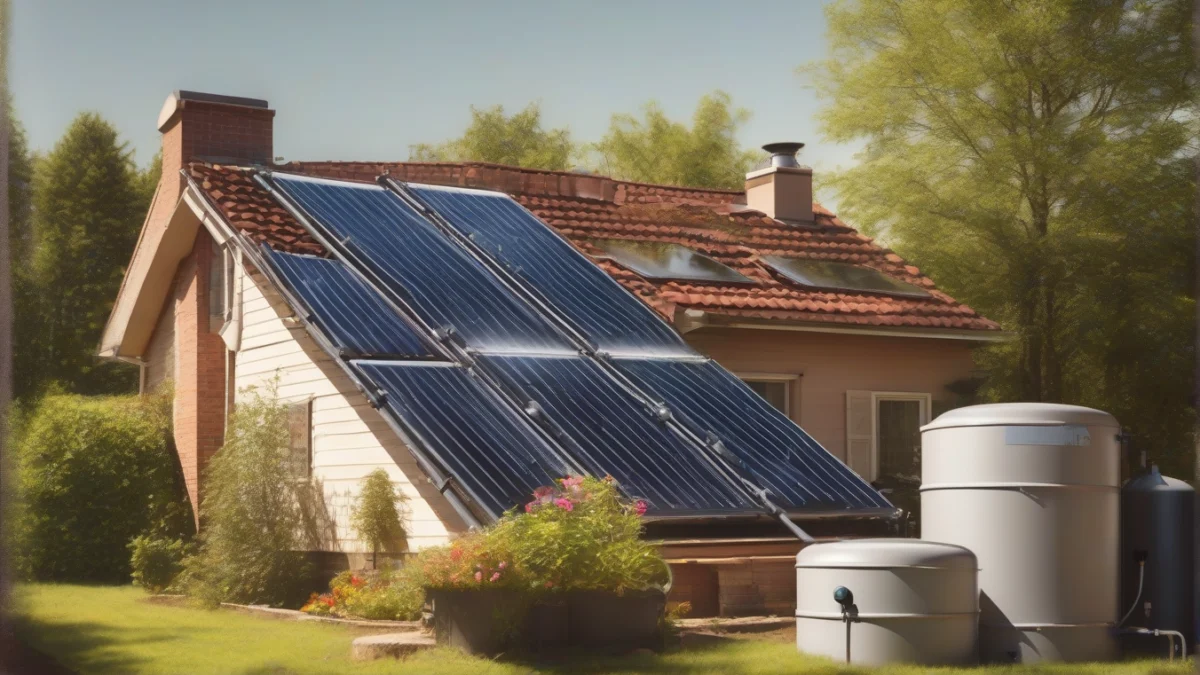
The benefits of solar air heating include no combustion indoors, no fuel deliveries, and little operating energy for the heat captured. The clearest disadvantage of solar heating is timing: clouds, shade, and night reduce or stop output, while a small collector can’t cover a large heat load.
Comfort follows the sun unless storage and circulation bridge the gap. A collector may deliver warm air near its outlet while room corners stay cool; a fan spreads heat, and thermal storage or a battery can extend useful hours but adds cost and maintenance.
A plug-in backup shows the value of avoided grid use; this example assumes 17 cents per kWh and eight hours of operation daily.
| Heater | Watts | Per hour | Per day (8 h) | Per month (30 days) |
|---|---|---|---|---|
| 1,500 W plug-in backup heater | 1,500 W | 26¢ | $2.04 | $61.20 |
What to Do Next for Your Space
For most spaces, the best heating system matches the building’s heat loss, sun exposure, and schedule. Solar fits a small, insulated, sun-facing room used mainly in daylight; larger, shaded, or overnight spaces usually belong with electric heat, an approved fuel heater, or a properly sized heat pump. A system designed for solar powered heating cooling must handle both jobs; a heating panel alone won’t cool a room.
Best Heating Systems by Space
| Option | Best fit | Main limitation |
|---|---|---|
| Solar | Small, insulated, sunny outbuilding | Clouds, night, and limited output |
| Electric | Small indoor room or backup heat | Uses grid power; plug directly into a wall outlet |
| Heat pump | Larger space needing heating and cooling | Requires correct sizing and installation |
| Fuel | Off-grid space with approved ventilation | Combustion, CO, and fuel handling |
For compact units, compare small solar powered heaters and read the limits of solar-powered indoor space heaters before buying. Whole-home choices are covered in transform your comfort; a 4-ton system belongs only after a load calculation, so use top 4-ton heat pump units as a comparison rather than a sizing shortcut.
Frequently Asked Questions
What are the main parts of a solar heating system?
Can a solar-powered heating unit heat my whole house?
How efficient is solar heating compared to electric or gas?
How long does a solar heating unit last?

I am a mechanical engineer and love doing research on different home and outdoor heating options. When I am not working, I love spending time with my family and friends. I also enjoy blogging about my findings and helping others to find the best heating options for their needs.
Related guides

How to Heat Large Spaces Efficiently With the Right BTU Sizing
Learn practical methods to heat large spaces efficiently, including BTU sizing, technology comparisons, and cost-saving tips for winter…
How Water Circulation Radiators Cut Energy Costs by 30%
You wait at the sink. Thirty seconds pass. Still cold water. Another twenty seconds. You let it run…
Best Cost Effective Heating Solutions for Basements Without Moisture Problems
Pick the right basement heater by size, humidity, install cost and running cost, with clear advice for finished…
