Solar heating systems are a good fit when you want to offset part of a fuel bill, preheat water, or take the edge off a small space. They are a poor fit if you need steady whole-house heat on cloudy days without another heat source.
The useful question is not whether sunlight can heat things. It can. The real question is how much heat you can collect, store, and move before evening, because that decides comfort, cost, and whether the setup earns its keep.
Solar Heating Systems
Solar heating systems capture sunlight to produce usable heat for homes through solar thermal collectors or by powering electric heaters with photovoltaic panels. They use the sun’s energy to warm air, water, or sometimes pools, but their output depends on collector size, sunlight availability, and storage, rarely covering a home’s full winter heat need.

Solar thermal systems collect heat directly, while photovoltaic (PV) panels convert sunlight into electricity that can run electric heaters or heat pumps. This means solar heating can work either by heating a fluid that transfers warmth or by powering electric devices that generate heat indoors.
| Type of Solar Heating | What It Heats | Best Use | Main Weakness |
|---|---|---|---|
| Solar Water Heating | Water for taps, radiators, or radiant floors | Homes with hot water needs and space for tanks | Needs freeze protection and space for storage tanks |
| Solar Air Heating | Indoor air through ducts or vents | Supplemental space heating in dry climates | Heat retention overnight is poor without storage |
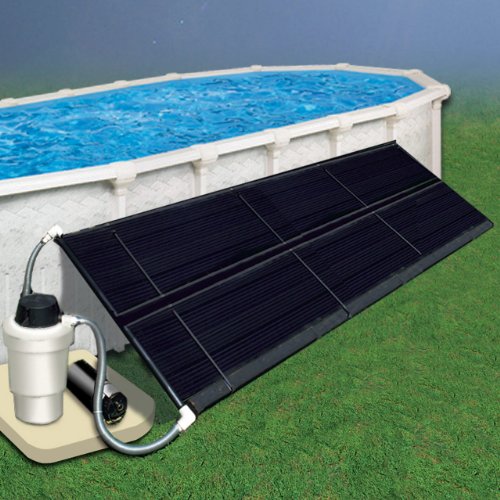
| Solar Pool Heating | Swimming pool water | Extending pool season in sunny areas | Only useful seasonally, no home heating |
A small solar water preheat system illustrates the limits and benefits. Say a 30 sq ft collector receives 250 W per sq ft on a sunny day—that’s about 7,500 watts of thermal energy. If your water heater uses 3,000 watts to raise water temperature, the solar system can cut fuel use by roughly half on those days, but only when the sun shines strongly.
Portable solar-powered heaters like the Aoresac Solar Powered Pet House Heater are practical only for small, localized heating tasks like animal shelters or sheds. They don’t produce enough heat for whole-house use but can prevent frost or keep a small space comfortable without fuel.

Solar space heating systems depend on sunlight, collector area, storage capacity, and backup heat sources. Because sunlight varies daily and seasonally, these systems typically provide partial heat, requiring supplemental heating during cloudy days or at night.
Where The Heat Actually Goes
The main parts of a solar heating system are the collector, transfer medium (water or air), circulation method, storage, controls, and backup heat. Each plays a role in capturing, moving, storing, and delivering heat to your home efficiently.
| Component | Role | Notes |
|---|---|---|
| Collector | Captures sunlight and converts it to heat | Usually mounted on a sunny roof or wall |
| Piping or Ducts | Moves heated water or air | Insulated to reduce heat loss |
| Pump or Fan | Circulates the heat transfer medium | Runs on electricity or sometimes solar power |
| Storage Tank or Thermal Mass | Stores heat for use when the sun is down | Water tanks hold heat longer than air storages |
| Controls | Regulate flow and temperature | Prevent overheating or freezing |
| Backup Heat | Provides heat when solar is insufficient | Gas, electric, or other fuel-based heaters |
Water-based systems store heat better because water holds more heat per volume than air does, so they retain warmth longer overnight. Air systems heat up quickly but lose heat fast, making them less effective when the sun isn’t shining.
Heat loss occurs if pipes or ducts run long distances without insulation. Freezing can damage water systems without proper antifreeze or drain-down measures. Stagnation happens when the collector gets too hot with no heat use, potentially damaging components if controls don’t manage flow properly.
Keeping the transfer loop short and placing the storage tank close to where heat is needed reduces heat loss and system complexity, making maintenance easier and improving efficiency.
What It Costs To Run
Solar heating cuts your fuel bill by using sunlight instead of gas, oil, or electricity for heat, but it isn’t free to run. Pumps, fans, and controllers need power, and most systems require backup heat when sunlight is weak or absent.
Solar air heating systems often use a small fan to circulate warm air from the collector into the house. Say the fan runs 8 hours a day at 50 watts. Over 30 days, that’s 50 W × 8 h × 30 = 12,000 watt-hours or 12 kWh. At 17 cents per kWh, that’s about $2.04 monthly just to run the fan.
If you need backup heat, a 1,500-watt electric resistance heater running 2 hours daily adds 1.5 kW × 2 h × 30 d = 90 kWh, costing $15.30. A heat pump would use less electricity but still adds to your bill. The more solar heat covers your load, the less backup fuel you buy.
Solar-powered electric heaters rely on photovoltaic panels sized for winter output, because solar electricity in summer won’t cover winter heating demand. That means a larger panel array than summer specs suggest, or you’ll use grid or backup power instead.
Comfort improves, too. Solar heat runs quietly without burner cycling. It also cuts fuel use in shoulder seasons when the main heater would cycle on and off frequently. Quiet, steady heat lasts longer and uses less fuel overall.
| Component | Power Use | Monthly Cost (30 days, 8 h/day, $0.17/kWh) |
|---|---|---|
| Fan for solar air heat | 50 W | about 8 hours of use at typical rates |
| 1,500 W electric resistance backup | 1,500 W × 2 h/day | around $15 for a month of daily use |
What Fits A House Best
Solar heating best suits domestic hot water and pool preheat with solar water heaters, while solar air heating fits workshops, additions, and some sheds.
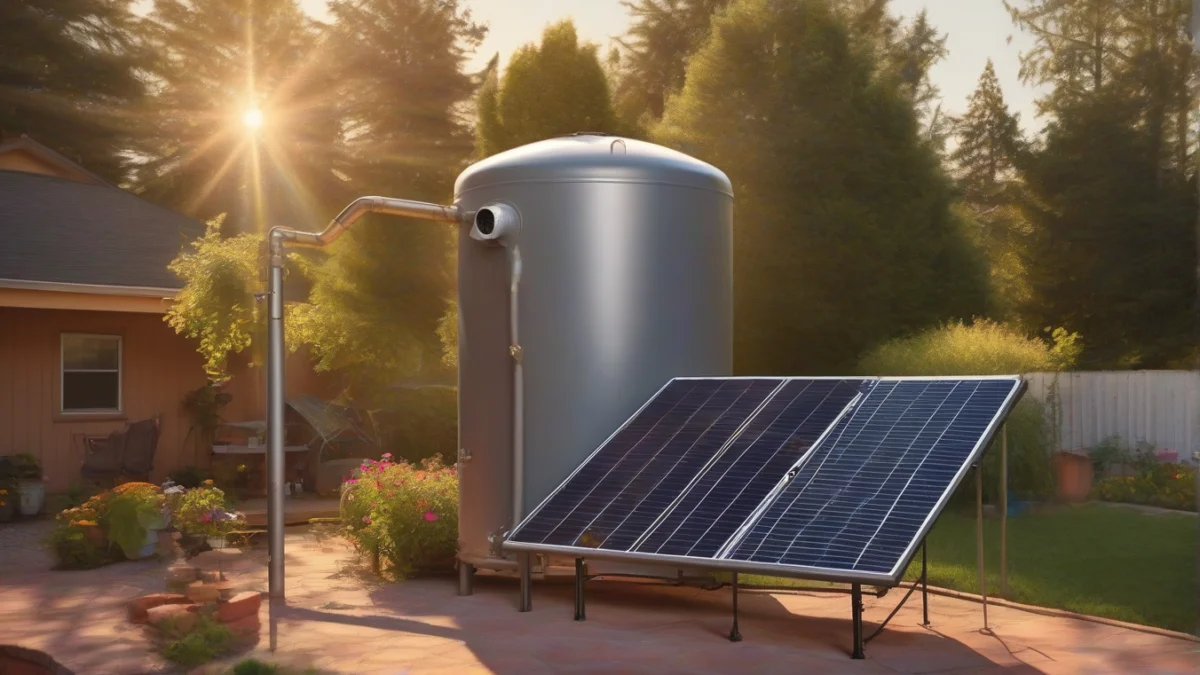
Replacing a whole-house heating system with solar collectors is tough. Winter sun is weakest when you need heat most, so relying solely on solar is risky. Backup heat and storage are essential.
Storage tanks and radiant floor systems hold heat longer and deliver it evenly, making stored solar heat more useful than air systems that blow warm air only when the sun shines.
Smaller buildings like sheds, greenhouses, and pet shelters can benefit from solar heating if the collector area and ventilation are matched to the space’s needs.
Just because a roof is covered with solar panels doesn’t mean it can replace your whole heating system. Most homes still need backup or supplemental heat.
| Building Type | Best Solar Heating Fit | Notes |
|---|---|---|
| House | Solar water heating | Good for domestic hot water and pool preheat |
| Workshop or Addition | Solar air heating | Cost-effective for smaller spaces |
| Shed or Greenhouse | Compact solar air system | Needs matched collector and ventilation |
| Whole House | Limited fit | Winter sun limits full replacement |
Problems And Maintenance
A common misconception is that solar heating systems use non-renewable energy sources. That’s false: solar heating relies on sunlight, a renewable resource, though the system’s pumps, fans, or controls may use some electricity from the grid or batteries.
The main downside of solar heating is its high upfront cost combined with output that varies by season and weather. Roof space limits collector size, and systems need freeze protection in cold climates to avoid damaged pipes or collectors.
Routine maintenance is straightforward but necessary. Check the heat-transfer fluid level or pressure if your system uses liquid, inspect the insulation around pipes and collector panels, and look for leaks or corrosion. Clean dust or debris from collectors to keep efficiency high, and confirm pumps or fans operate when they should.
| Issue | Possible Causes | What To Do |
|---|---|---|
| Low heat output | Cloudy weather or short winter days | Wait for sunlight; use backup heat |
| Air in the fluid loop | Noisy pump or reduced flow | Bleed the air from system according to manual |
| Pump or fan failure | No circulation, no noise | Check power supply and replace faulty parts |
| Leaks or fluid loss | Puddles or pressure drop | Locate and repair leaks promptly |
Buying A Small Solar Heater
Portable solar-powered heaters like the Aoresac model suit small, off-grid tasks such as car deicing, warming animal shelters, or heating a greenhouse spot. Their compact design allows easy placement where you need it without permanent installation.
Temperature control prevents overheating, protecting delicate spaces and equipment. The included battery kit stores energy for use during intermittent sunlight, extending effective heating time beyond daylight hours.
This type of heater cannot replace a fixed home heating system or serve as primary winter heat for a whole house. Its output suits localized use only, not pools or whole-home solar heating demands that require larger, purpose-built solar thermal panels or systems.
When To Choose Solar And When Not To
Solar heating works best if you use the heat close to when it’s produced, store it in a water tank or thermal mass, and keep backup heat ready for cloudy days or nighttime. Your solar system’s efficiency hinges on that timing and buffering.
Avoid solar heating as your sole source if you need steady all-winter warmth, lack roof or yard space for collectors and tanks, or can’t add freeze protection in colder climates. These limits make solar thermal systems impractical.
Some homes find it smarter to use photovoltaic panels powering heat pumps instead of direct solar thermal collectors. That setup can deliver heat on demand and offers more flexibility, though it’s a different approach than the solar heat systems covered here.
Expect installation to grow more complex and expensive as you add pumps, controls, storage tanks, and freeze protection. The upfront work can be significant, so plan accordingly before jumping in.
More Questions, Answered
What is solar air heating?
Can you replace a residential heating system with solar collectors?
A disadvantage of solar heating systems is that they use a non-renewable energy source. True or false?
What are the parts of a solar water heating system?

I am a mechanical engineer and love doing research on different home and outdoor heating options. When I am not working, I love spending time with my family and friends. I also enjoy blogging about my findings and helping others to find the best heating options for their needs.
Related guides

7 Key Factors That Impact Solar Heater Efficiency
Solar powered heater efficiency is influenced by factors such as solar panel quality, location, insulation, weather conditions, and…

Can Solar Heaters Work With Your Existing HVAC System?
Yes, solar heaters can be integrated with existing HVAC systems to enhance energy efficiency and reduce heating costs.…
Do Solar Heaters Need Backup Systems? Key Insights
Solar powered heaters can benefit from backup systems, especially in cloudy weather or high-demand situations, ensuring consistent hot…