Should You Repair or Replace Your Water Heater?
On this page 5 sections
Your water heater is one of those appliances you don’t think about until it stops working. Suddenly, you’re faced with a cold shower and a big question: should you repair the old unit or replace it entirely? It’s a classic homeowner dilemma, balancing immediate repair costs against the investment in a new system.
Making the right choice saves you money and hassle in the long run. This guide will walk you through the key factorsage, condition, cost, and efficiencyso you can make an informed decision. For some basic troubleshooting, a tool like the Check price on Amazon heater diagnostic kit can be helpful for checking simple electrical components before you call a pro.
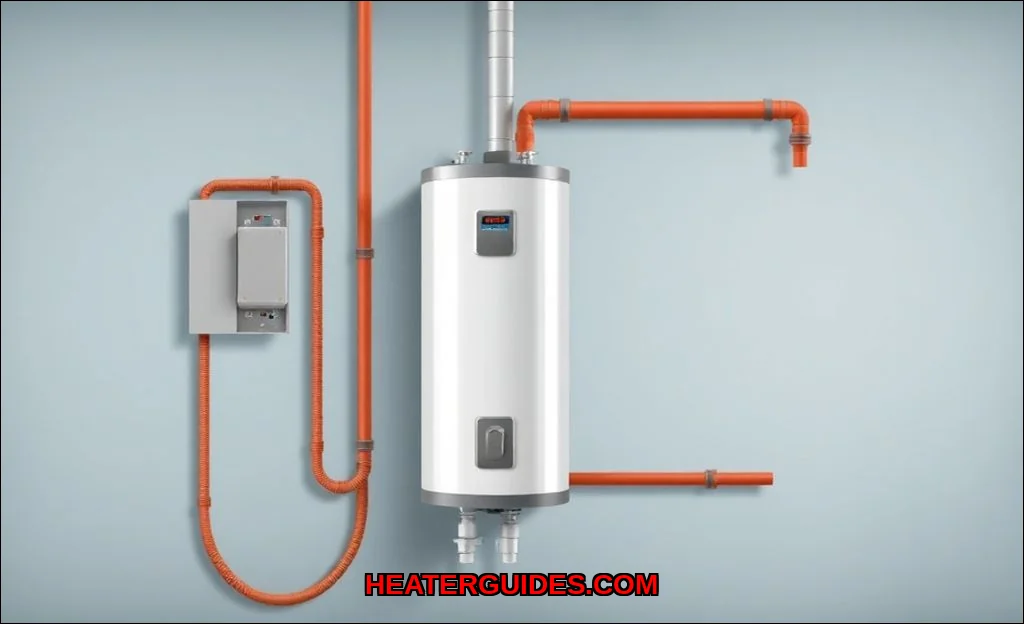
Understanding Your Water Heater’s Age and Condition
The first step in your repair vs replace decision is knowing your system’s history. How old is it? What’s its current state? These are your starting points.
The Lifespan Benchmark
A standard storage tank water heater has an average water heater lifespan of 8 to 12 years. Tankless models can last 20 years or more. Find the manufacturer’s label on the side of the tank; it usually includes the installation date or a serial number that codes the manufacture date. If your unit is pushing 10 years old, replacement is often on the horizon.
Age isn’t just a number. As a water heater ages, sediment builds up, components wear out, and efficiency drops. A repair on a 12-year-old unit might be a temporary fix. This leads directly to a common long-tail question: should I repair a 10 year old water heater? The answer usually leans toward replacement, especially for major components.
Conducting a Basic Diagnosis
Before you call a plumber, you can do some simple water heater troubleshooting. Check for these signs:
- No hot water: Could be a failed heating element (electric) or thermocouple (gas).
- Insufficient hot water: Often points to a undersized unit, a failing element, or excessive sediment.
- Discolored or smelly water: Usually indicates anode rod failure or bacteria in the tank.
- Leaking from the tank: This is a critical sign. A leak from a valve might be repairable; a leak from the tank itself means immediate replacement.
- Rumbling or popping noises: Caused by sediment buildup at the bottom of the tank, which reduces efficiency and can cause overheating.
For brand-specific issues, like with a Bradford White unit, you might consult a detailed resource like this Bradford White water heater troubleshooting guide.
This article is part of our bigger Bradford White Water Heater Troubleshooting & Repair Guide hub.
Common Problems: Repair vs Replacement Scenarios
Not all water heater problems are created equal. Some are simple fixes; others are death knells for the appliance. Let’s break down typical scenarios.
Usually Repairable Issues
These involve replaceable water heater parts and are cost-effective to fix on a younger unit.
- Faulty heating element (electric) or burner assembly (gas): A common repair that restores full function.
- Failed thermocouple or gas valve: A standard repair for gas models that have a pilot light that won’t stay lit.
- Leaking pressure relief valve or drain valve: These are inexpensive, standard components that can be replaced.
- Anode rod replacement: This is proactive maintenance that can significantly extend your tank’s life.
Signs You Likely Need a Replacement
These are the signs your water heater needs to be replaced not repaired. They indicate systemic failure.
- Water leaking from the tank body: Corrosion has breached the steel tank. It cannot be fixed.
- Severe, widespread corrosion: On fittings, pipes, or the tank itself.
- Major flood damage: If the unit’s controls or gas valve were submerged.
- Recurring problems: If you’re fixing a different component every year, the unit is failing.
Cost Analysis: Repair Costs vs New Unit Investment
This is the heart of the decision. You need a clear cost-benefit analysis. Let’s talk numbers to answer what is the average cost to repair vs replace a water heater.
Repair costs vary wildly based on the part and labor. A simple thermocouple replacement might be $150-$250. Replacing a heating element could be $200-$400. A complex job like replacing a tank’s internal dip tube or addressing a significant leak can easily run $500-$800.
Now, compare that to replacement. A new standard 40-50 gallon gas or electric storage tank water heater, installed, typically costs between $1,000 and $2,500. High-efficiency models, tankless water heaters, or heat pump water heaters range from $2,500 to $5,500+ installed.
| Scenario | Typical Cost Range | Consideration |
|---|---|---|
| Minor Repair (valve, thermocouple) | $150 – $400 | Worth it if unit is under 8 years old. |
| Major Repair (element, gas valve) | $500 – $800 | Questionable if unit is over 8 years old. Apply the “50% Rule”. |
| Full Replacement (Standard Tank) | $1,000 – $2,500 | New warranty, improved efficiency, fresh start. |
| Full Replacement (High-Efficiency) | $2,500 – $5,500+ | Higher upfront cost but significant long-term energy savings. |
The 50% Rule: A good rule of thumb is if the repair cost is more than 50% of the price of a new unit, and your heater is over halfway through its expected lifespan, replacement is usually the smarter financial move. You’re avoiding pouring money into an aging system.
 Water Heater Owner's ToolkitFix the common faults yourself, keep it running for years, and know when a repair is money wasted.No-hot-water flowcharts, gas and electricFlush, anode, relief valve and descaling stepsRepair-or-replace calculator (Excel)
Energy Efficiency and Long-Term Savings Considerations
This is where looking beyond the immediate water heater cost pays off. Modern water heaters are significantly more efficient than models from 10+ years ago.
The Efficiency Upgrade
Newer storage tanks have better insulation. More importantly, you now have advanced options:
- Heat Pump Water Heaters (Hybrid): Can be 2-3 times more efficient than standard electric models, though they have higher upfront costs and may require specific installation conditions (space, ambient temperature).
- Tankless (On-Demand) Water Heaters: Provide endless hot water and only heat water when you need it, eliminating standby heat loss. Great for smaller households.
- Condensing Water Heaters: Primarily for gas, these capture exhaust heat for exceptional efficiency, ideal for homes with high hot water demand.
- Solar Water Heaters: The ultimate in operating cost savings, using solar thermal collectors, but require significant upfront investment and sunny climate.
Upgrading water heater efficiency can cut your water heating bills by 10% to 50%. When comparing brands for these new options, research is key. For example, you can explore the differences in our comparison of Bradford White vs Rheem water heater models to see which might fit your home.
Warranty and Peace of Mind
A new unit comes with a full warranty, typically 6-12 years on the tank and 1-2 years on parts. An older unit is likely out of warranty, meaning every future repair is an out-of-pocket expense. This is a crucial missing entity many overlook. A new warranty provides a long period of protected operation.
Step-by-Step Decision Guide: When to Repair, When to Replace
Let’s synthesize everything into a practical flowchart for how to decide if I should repair or replace my water heater.
Step 1: Assess Age and Symptom
- Is the tank itself leaking? If YES REPLACE immediately.
- How old is the unit? If over 12 years Strongly lean toward REPLACE.
- What’s the specific problem? If it’s a minor, repairable part (like a valve) and the unit is under 8 years old Likely REPAIR.
Step 2: Apply the Cost & Rule-of-Thumb Tests
- Get a repair estimate. Compare it to the cost of a new, comparable unit (including installation).
- Apply the 50% Rule. Is the repair >50% of a new unit’s cost AND is the heater old? If YES REPLACE.
- Consider frequency. Is this the second or third repair in a few years? If YES REPLACE.
Step 3: Evaluate Your Future Needs
- Has your household size or hot water demand changed? You might need a larger or more efficient model.
- Do you want to improve home efficiency? Upgrading to a heat pump or tankless model could offer savings and even tax credits.
- Are you planning to sell your home? A new, efficient water heater can be a selling point.
If you’re leaning toward replacement and considering a specific brand’s performance, reading about the best Bradford White gas water heater options can help narrow your search for a reliable model.
Step 4: Make the Call
For a young heater (under 6 years) with a simple, inexpensive fix: Repair it. For an older heater (over 10 years) with a major issue, or if you’re facing repeated repairs: Replace it. The investment in a new, efficient unit will pay off in reliability and lower operating costs.
There’s no one-size-fits-all answer, but the framework is clear. Start with a professional diagnosis if you’re unsurea good plumber or HVAC technician can give you an honest assessment. They can tell you if that leak is from a tank seam (replace) or a loose connection (repair). Don’t just fix the symptom; solve the problem. Investing in a new, efficient system often makes more sense than repeatedly nursing an old one back to health. Your future self, enjoying a reliable hot shower and lower utility bills, will thank you.