The best waterbed heater for most readers is an under-mattress heater with an adjustable thermostat and overheat protection, sized to your bed at about 300 to 450 watts depending on whether you have a full or queen mattress. That gets you even warmth without running a bigger pad than you need.
A waterbed heater is one of those parts you only notice when it fails or runs cold. The right one keeps the water at a steady setpoint, which matters more than blasting high heat for an hour and hoping for the best.
Pick by bed type first, then wattage, then safety listing and control style. Those four choices do most of the work, and they’re easier to check than a marketing page full of warm feelings and no numbers.
Best for Quiet supplemental heat beside a waterbed
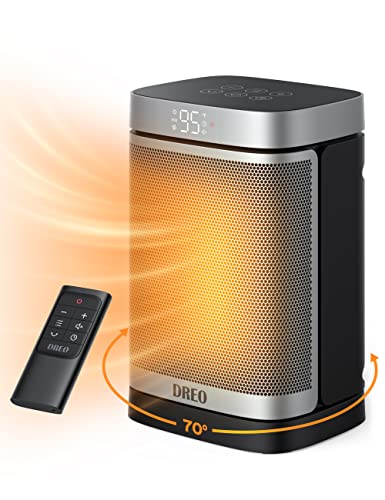
The 34 dB operation suits a bedroom where fan noise can keep you awake, while the 41-95°F thermostat gives you fine control over the room temperature. ETL certification, tip-over protection, overheat protection, a child lock, and a safety plug cover the main risks around bedding and nighttime use. Use it to warm the room, not the mattress.
Power 1,500 WThermostat 41-95°F in 1°F incrementsOscillation 70 degreesNoise level As low as 34 dBSafety ETL-certified; child lock, tip-over protection, overheat pro
Why it made the cut
As quiet as 34 dB
41-95°F thermostat with 1°F increments
ETL-certified safety features
Good to know
Not a waterbed or under-mattress heater
The 1,500 W output needs a direct wall outlet
Skip it if Skip it if you need a heater that sits beneath the mattress or connects to a waterbed heating system.
Best for Precise room-temperature control near a waterbed
The digital thermostat adjusts in 1°F increments from 41-95°F, so you can tune the bedroom without guessing at broad heat settings. ECO Mode automatically adjusts the heat level, and the 70° oscillation spreads warmth beyond one side of the room. Its ETL-listed Shield360° system adds tip-over and overheat protection.
Power Up to 1,500 WThermostat 41-95°F in 1°F incrementsOscillation 70 degreesNoise level As quiet as 37.5 dBSafety ETL-listed Shield360° system with tip-over and overheat prot
Why it made the cut
Thermostat adjusts in 1°F increments
ECO Mode can adjust heat automatically
ETL-listed tip-over and overheat protection
Good to know
Not designed to heat water inside a waterbed
The data says up to 1,500 W rather than listing one fixed operating wattage
Skip it if Choose another option if quiet operation matters most and you prefer the stated 34 dB level of product 5.
Best for Remote-controlled room heat for a bedroom with a waterbed
A 7-hour timer, remote control, and oscillation make this a straightforward way to warm the room before bed or while you read. The self-regulating ceramic element, overheat protection, cool-touch housing, and ETL listing are useful safeguards around bedroom furniture. Product 1 is a room heater, so it won’t warm the water inside your mattress.
Power 1,500 WTimer 7 hoursSafety ETL-listed; self-regulating ceramic element and overheat proHousing Cool-touchSize 23-inch ceramic tower
Why it made the cut
Remote controls heat, oscillation, and timer
7-hour timer
ETL-listed with overheat protection and cool-touch housing
Good to know
No thermostat temperature range is stated
Not an under-mattress waterbed heater
Skip it if Skip it if you want a thermostat with a stated temperature range or automatic ECO adjustment.
Best for Room heat with a 12-hour timer and wide oscillation
The 12-hour timer is the longest stated timer in this group, and the 50-95°F thermostat can maintain a set room temperature. A 70° oscillation helps spread heat around the bedroom instead of aiming at one patch of floor. Keep the unit at least 3 feet from bedding and connect it straight to a wall outlet.
Power 1,500 WThermostat 50-95°FTimer 12 hoursOscillation 70 degreesSafety Tip-over protection, overheat shut-off, and child lock
Why it made the cut
12-hour timer
50-95°F thermostat
70° oscillation with tip-over and overheat shut-off
Good to know
The data does not state an ETL, UL, or CSA listing
Not designed to heat a waterbed mattress
Skip it if Skip it if you need a stated third-party safety listing or quieter operation data.
Best for Small-space supplemental heat beside a waterbed
Product 4 uses PTC ceramic heating and wide-angle oscillation for fast, moving room heat, with a remote for changing temperature, fan speed, heat mode, and timer. Overheat protection, tip-over shut-off, and ETL-certified safety make the basic protection clear. The data doesn’t state its wattage or thermostat range, so sizing it for a particular bedroom is harder.
Heating type PTC ceramicOscillation 70 degreesControls Remote control for temperature, fan speed, heat mode, and tiSafety ETL-certified; overheat protection and tip-over shut-off
Why it made the cut
70° automatic oscillation
Remote control for heat, fan, and timer settings
ETL-certified with tip-over and overheat protection
Good to know
Wattage is not stated
Thermostat range is not stated
Not an under-mattress waterbed heater
Skip it if Skip it if you need a known wattage or a specific temperature range before ordering.
Under Mattress Waterbed Heater: What Fits Your Bed
The right under mattress waterbed heater depends first on whether your bed is hardside or softside. Hardside beds commonly use a flat waterbed heater pad beneath the mattress liner, while some softside beds need a different mat or wrap-style heater shaped for that bed’s construction. No single waterbed heater brand is best for every frame; match the replacement to the bed maker’s model or stated mattress size whenever you can.
In short
Choose a pad made for a hardside bed or a softside-compatible mat, then match its dimensions and connector to the original setup. A correct fit keeps panel warmth even and helps prevent folds, pinched cords and hot spots.
Check the bed type
The liner, foam rails and cover on a softside bed can leave less room for a conventional hardside pad. Read the bed’s manual or look for the original heater label before ordering; a similar-looking pad may still fit poorly.
A waterbed heater pad spreads heat across the support area so the water warms steadily instead of leaving one overheated patch. If you’re comparing a waterbed-specific brand, Sunbeam waterbed heaters is the relevant kind of buying guide; a portable room heater such as the Lasko 23″ Ceramic Tower Space Heater with Remote Control belongs outside the bed and isn’t a substitute.
Not for this job
Lasko 23″ Ceramic Tower Space Heater with Remote Control
The Lasko is a room heater, not an under-mattress waterbed heater; don’t place it beneath the bed or use its warm air to replace a fitted waterbed pad.
The usual wattage choice is about 300 to 350 watts for a full waterbed and about 400 to 450 watts for a queen. Follow the heater maker’s sizing chart when it gives a different number, because the pad’s dimensions and the bed’s insulation affect how much panel warmth it needs.
300–450 W
Common full-to-queen range
A full commonly lands at 300–350 watts; a queen commonly lands at 400–450 watts. Wattage supplies the heat, while the thermostat decides when to cycle it.
A thermostat maintains temperature better than running a waterbed heater continuously because it switches the panel on as the water cools and off after the set point is reached. The water then distributes warmth through the mattress, giving steadier contact warmth than a convection heater aimed at the room; raw wattage matters less once the pad can hold the temperature you want.
Worked example
Say the same queen bed sits in two rooms. In a cold basement, the 400- to 450-watt range and the manufacturer’s insulation guidance make more sense because the surrounding space pulls heat away faster. In a temperate bedroom, a properly sized 400-watt pad may hold the set temperature without needing the larger option. In both cases, the thermostat controls the cycling; it doesn’t turn extra wattage into extra comfort.
Cold basementUse the maker’s queen-bed range; expect
Temperate bedroomA correctly sized 400 W pad may be enoug
ControlThermostat cycles the panel to hold the
For running cost, 400 watts for 8 hours uses 0.4 × 8 = 3.2 kWh; at an assumed 17 cents per kWh, the cost block calculates the nightly amount. Actual use can be lower because the thermostat cycles off after the water reaches temperature.
Heater
Watts
Per hour
Per day (8 h)
Per month (30 days)
400 W waterbed heater
400 W
6.8¢
54¢
$16.32
Calculated at 17¢ per kWh. Assumes 8 hours per night, 30 nights and an electricity rate of 17 cents per kWh; cycling can reduce actual consumption.
Check Safety, Certification, and Cord Placement
For home warmth without a room heater, a waterbed heater pad warms the mattress from underneath; it won’t heat the air or replace a properly sized space heater. Choose a pad with an adjustable thermostat, overheat protection, and a recognized safety listing such as UL, ETL, or CSA when the manufacturer provides one.
Keep The Pad Flat
Folding, bunching, or trapping the pad under frame hardware can concentrate heat in one spot. Keep the heater flat beneath the mattress, leave the controller and cord where the manual shows, and never run the cord under a sharp frame edge or a heavy support.
A thermostat that fails on can overheat the pad, while a thermostat that cycles too soon can leave cold patches. A cord pinched under the frame can do its own damage by creating uneven power or heat at the damaged section. Replace a cracked, cut, scorched, or loose cord; don’t tape it up like a Christmas present from the basement.
Before You Install The Heater
Confirm the pad size matches the waterbed mattress and frame.
Check for UL, ETL, or CSA listing information from the manufacturer.
Lay the pad completely flat with no folds, bunches, or trapped corners.
Route the cord without pinching it under the frame or hardware.
Test the thermostat and inspect the cord before each heating season.
Space Heater Warning
A portable heater such as the Lasko 23″ Ceramic Tower Space Heater with Remote Control belongs on a clear, stable floor, not under a waterbed or against its frame. Keep portable heaters at least 3 feet from bedding and plug them directly into a wall outlet.
What Competitors Leave Out About Replacement Parts
Panel warmth usually returns only when the replacement controller, heating pad, and waterbed size belong to the same system; a generic pad that fits the bed may still have the wrong connector, thermostat range, or power requirement. Match the old part number whenever the original heater or controller provides one.
Myth
A lukewarm bed means the heating pad has failed.
Fact
The thermostat may be the real fault, especially if the bed cycles badly, warms unevenly, or stops before reaching its setting. Check the controller, connector, and cord for damage before ordering a new pad, then use the manufacturer’s replacement guidance rather than guessing from dimensions.
Symptom
Part to check first
What must match
Bed stays cold
Controller, power connection, then pad
System connector and bed size
Bed is lukewarm
Thermostat setting and thermostat
Controller designed for that pad
Heat cycles sharply
Thermostat or sensor
Original system part number
One area feels warmer
Pad position or damaged pad
Pad layout and mattress size
A symptom can point to the controller before the heating element.
Older beds are the awkward case: a matching replacement part number can matter more than a seller’s claim that the pad is simply “full” or “queen.” If the mattress already holds temperature well, a quiet, even heater is worth more than display panels, timers, or other extras that don’t correct a mismatch.
What To Do Before You Order
The best waterbed heater brand is the one that sells a listed heater matched to your bed type, size, and replacement controller—not a brand name by itself. For wattage, choose about 300 to 350 watts for a full bed or 400 to 450 watts for a queen, using the upper end when the room runs cold and the manufacturer allows it.
1
Measure the opening
Measure the mattress length and width, then measure the usable frame opening beneath it. The heating pad must lie flat without folding, bunching, or pressing against the frame.
2
Confirm the bed type
Check whether you have a hardside or softside waterbed. Their heater shapes, placement, and compatible controls can differ, so don’t assume a pad made for one system fits the other.
3
Match the power
Use the bed size first, then check the heater’s listed wattage range for your room temperature. A larger pad or higher wattage isn’t automatically better; excess heat can create an unsafe installation.
4
Check the control and cord
Look for a UL, ETL, or CSA safety listing, an adjustable thermostat, overheat protection, and a cord long enough to reach the outlet without an extension cord. Keep the controller and cord where the manual specifies.
5
Save the old model number
If you’re replacing last year’s unit, photograph the label before removing it. The old model number is the quickest starting point for finding a compatible pad, controller, and connector.
Before You Click Buy
Write down the bed type, mattress dimensions, frame opening, old model number, required wattage, cord length, and thermostat style. If one of those details is missing from the product listing, choose a heater with clearer specifications.
Frequently Asked Questions
How do I know if I need a hardside or softside waterbed heater?
Match the heater to the bed’s construction, not only its mattress dimensions. A hardside bed has a rigid wood frame around the bladder, while a softside model uses a foam or upholstered frame and often needs a heater made for that shallower, enclosed layout. Check the heater’s fit chart and your bed manual before ordering.
Which watt waterbed heater is better for a queen bed?
A 400- to 450-watt heater is the usual match for a queen waterbed, provided the product lists your exact mattress size. Choose the lower end when the manufacturer allows both options; choose the higher end only when the bed’s insulation, room temperature, or product instructions call for it. More wattage isn’t automatically better if the thermostat and pad aren’t matched.
How does a waterbed thermostat keep temperature steadier?
The thermostat reads a temperature sensor near the heating pad and cycles power on and off to hold the selected setting. Water absorbs and releases heat slowly, so the pad may stay off for a while after reaching temperature, then run again as the water cools. Keep the sensor and controller positioned exactly as the instructions show; moving the sensor can make the reading less representative.
Are waterbed heaters expensive to run?
Usually, the running cost depends on how long the heater is energized, not its maximum wattage alone. For example, a 400-watt heater running continuously for eight hours uses 0.4 × 8 = 3.2 kWh; at 17 cents per kWh, that is about 54 cents for that period, although cycling normally reduces actual use. Use your electric rate and the heater’s wattage to estimate your own cost.
What should I check before replacing an old waterbed heater pad?
Record the bed type, mattress size, heater wattage, controller model, connector shape, and pad dimensions before you remove anything. Inspect the cord, plug, controller, and pad for scorching, cracked insulation, or loose connections; replace damaged parts rather than splicing them. A replacement pad should be approved for the existing controller system or sold as a complete matched kit, and it should never be operated under a dry mattress.
Share
Written byJoye
HeaterGuides covers home heating, water heating and HVAC: how the equipment works, what it costs to run, and how to use it safely.