

Heating costs rise fast when warm air leaks out, a furnace cycles more than it should, or a big heater warms a room you barely use. The cheapest BTU is the one you do not have to make.
A lower-watt heater can save real money in a bedroom, office, or drafty corner if you only need local comfort. In a whole house, the first dollar usually belongs to sealing leaks and fixing controls, not buying a fancier heater.
Saving On Heating Bills
Saving on heating bills hinges on cutting heat loss, heating only the space you use, and reducing how long your heater runs. The biggest savings come from improving insulation so your heater runs less, plus choosing the right heater type for the size and use of your space.

Electric baseboard heating and a whole-house furnace cost different amounts to run but the savings come mainly from how well your home holds heat. For example, a furnace heats air distributed through ducts, which can leak warm air before it reaches your rooms. Electric baseboards heat their rooms directly but often run longer to keep temperature steady.
Think about electric heat: a 1,500-watt electric heater running 8 hours a day at 17 cents per kWh costs about $2.04 each night. If your insulation is poor, the heater might need to run those 8 hours or more. Better insulation cuts runtime, which directly cuts your bill.
| Heating Method | Use Case | Comfort | Cost Behavior |
|---|---|---|---|
| Whole-house furnace | Heating entire home | Even heat, central control | Efficiency varies with duct leaks and insulation |
| Electric baseboard | Heating individual rooms | Room-by-room control, slower heat-up | Runs longer with poor insulation, no duct losses |
| Radiant or infrared heater | Spot heating | Heats objects and people directly | Lower runtime if heating small areas |
| Small personal heaters | Focused heating | Instant heat for one person | Cheap to run but only for very small spaces |
Insulation improvement directly reduces heat loss. Less heat leaks out, so your heater cycles off sooner. This also means fewer temperature swings, making your home feel more comfortable without burning more energy.
Where The Heat Actually Goes
Most heating bills stay high because heat escapes through conduction, air leaks, and the stack effect. Conduction means heat flows through walls, windows, and ceilings. Air leakage happens when drafts let warm air out and cold air in. The stack effect pushes warm air upward and out through leaks in the attic or upper floors.
Fixing a small draft can cut heater runtime noticeably. Say a draft near a window lets out 100 cubic feet of air per minute. Sealing that reduces the cold air coming in, so your heater runs fewer minutes each hour, saving energy and money.
Key spots for heat loss are attic hatches, exterior doors, windows, ductwork, and basements or crawlspaces. Leaky ducts can waste heat before it reaches your living space, especially in furnaces. Sealing ducts can boost system efficiency.

Which Heater Type Costs Less To Use
Floor heating systems, especially electric radiant underfloor setups, prioritize comfort and steady heat over instant savings. They warm surfaces and the room slowly, so they don’t slash bills immediately but can reduce waste by maintaining stable temperatures.
Underfloor heating suits new builds or major remodels where installation cost spreads over years. Retrofitting is costly and rarely pays off quickly, so quick winter fixes often favor portable or simpler heaters.
Compare heater types by how fast they respond and their heating style: infrared heaters warm objects and people directly, offering quick, focused comfort; convection heaters warm the air gradually; baseboard heaters provide steady, quiet heat along walls; small personal heaters deliver fast, localized warmth.
A smart thermostat can trim waste by cutting runtime and preventing overheating, especially with convection or baseboard heaters. Features like eco mode and multiple heating modes help fine-tune energy use to your schedule and comfort needs.
| Heater Type | Best Room | Main Advantage | Main Drawback |
|---|---|---|---|
| Electric Radiant Underfloor | Whole rooms, new builds | Consistent, even warmth; quiet | Slow to heat; higher install cost |
| Infrared Heater | Small to medium rooms | Direct, fast warmth; energy efficient for spot heating | Limited coverage; uneven heat distribution |
| Convection Heater | Medium to large rooms | Even air heating; works with smart thermostats | Slower to warm; heat loss if room unoccupied |
| Baseboard Heater | Bedrooms, living rooms | Silent operation; steady heat | Slow response; wall space needed |
| Small Personal Heater | Desk or small area | Instant, focused heat; low wattage | Not for whole-room heating; safety concerns |
Installation-driven systems like underfloor heating shine when built-in from the start. Portable infrared or convection heaters make more sense for renters or quick fixes. The choice depends on your home, budget, and whether you want comfort or immediate savings.
What To Fix Before Buying Anything
Improving insulation and maintenance often saves more on heating bills than new heaters. Start with low-cost fixes to prevent heat loss and reduce heater runtime.
Weatherstripping doors, installing door sweeps, and adding outlet gaskets block drafts. Clearing furniture away from radiators and vents ensures heat flows freely. Move thermostats away from drafts or heat sources to get accurate readings. Regularly change filters in forced-air systems to keep airflow strong.
Blocked vents or dirty filters force heaters to run longer, raising bills. A malfunctioning thermostat can cause overheating or insufficient heat, wasting energy.
Fix common problem spots with these rules: drafty door? Seal it tight. Cold floor? Add insulation or rugs. Uneven room heat? Clear vents and check thermostat placement. High bills without more use? Look for hidden leaks or thermostat faults.
When A Small Heater Makes Sense
Saving on heating bills often means heating just the spot you occupy, not the whole room. Small, focused heaters work best in offices, bedrooms, and under desks where you spend hours in one place.
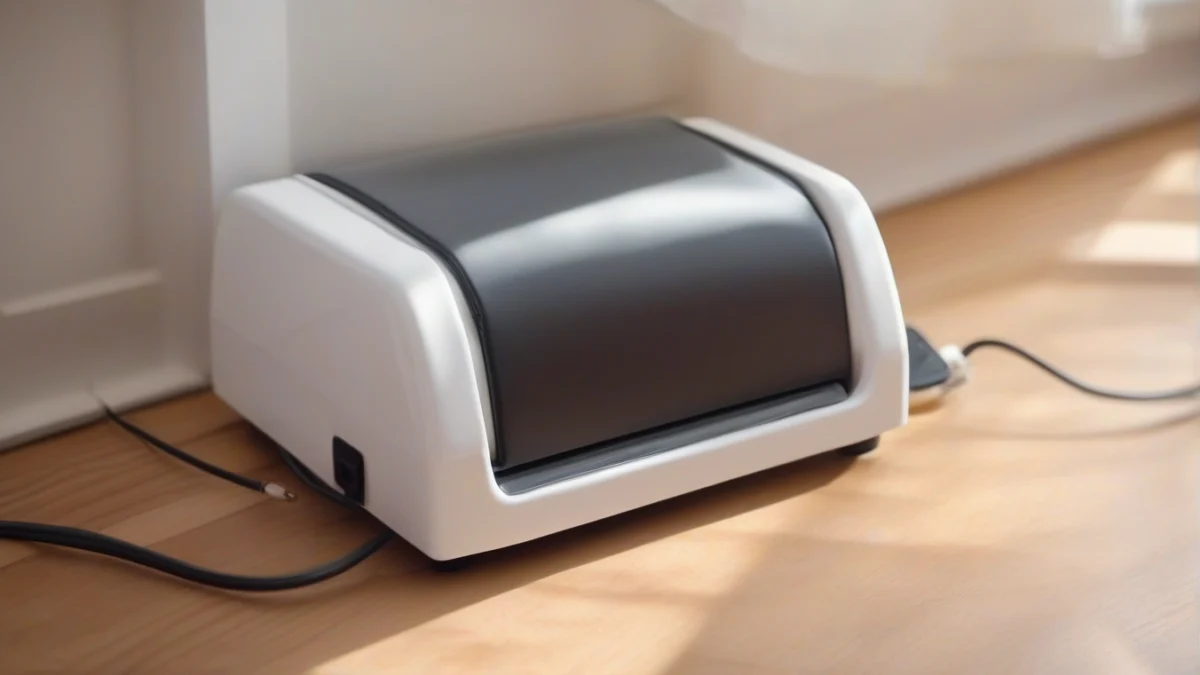
A 55-watt foot warmer can deliver warmth more efficiently for personal comfort than a 1,500-watt space heater trying to heat the entire air volume in a room. This works because your body feels heat radiated nearby, not the distant warm air. That’s why energy-saving floor heating or a heated mat under your desk can keep your feet cozy without turning up the thermostat.
Comfort depends on room size, the presence of drafts, and how long you stay put. A small heater won’t cut it in a drafty living room but shines in a well-sealed, smaller space like a home office or bedroom. If you move around a lot or need to heat bigger areas, a bigger heater or central heat is more cost effective.
Electric heaters need care: plug directly into a wall outlet, keep 3 feet of clearance, and avoid sleeping or leaving one running unless it’s rated for continuous use. Tip-over and overheat switches are essential safety features.
What To Do Next
Whole house heating needs a thorough check of insulation and thermostat control. One cold room might call for a portable heater or draft fixes. Under-desk comfort benefits from low-watt foot warmers like Product 1. For a floor-heating project, research electric radiant options for steady warmth.
Questions People Ask
How can I lower heating bills without turning the thermostat way down?
Is electric baseboard heating cheaper than a furnace?
Does insulation really reduce heating costs fast?
Are energy-saving floor heating systems worth it?
What thermostat setting saves the most money in winter?
Which small heater uses the least electricity for one room?

I am a mechanical engineer and love doing research on different home and outdoor heating options. When I am not working, I love spending time with my family and friends. I also enjoy blogging about my findings and helping others to find the best heating options for their needs.
Related guides

Infrared Heating Meaning and Running Costs About 12 Cents an Hour
Infrared heating warms people and objects directly, not the air. Understand how it works, costs, comfort, and best…

How To Burn Wood Efficiently With Wood Under 20% Moisture
Build a hotter, cleaner fire with dry wood, the right startup method, and the checks that keep smoke…

How to Retain Heat in a Room: 3 Quick Fixes
A practical way to keep a room warmer with less wasted heat, plus the leaks, fixes, and permit…
