

To release air from a water heater, locate the pressure relief valve or drain valve, then open it slowly to let trapped air escape safely.
Air trapped in your water heater can cause sputtering faucets, reduced water pressure, and annoying noises. While not dangerous, bleeding the air improves performance. Follow this guide to safely remove air from your water heater system.

NEIKO
NEIKO 30252A Water and Oil Separator for…
- WATER SEPARATOR: Add this air-tool accessory to your shop or garage to stop moisture, water, oil, and particles from entering air-…
- OIL SEPARATOR: This spray-gun unit separates the oil from the air as it goes through your air hose. The oil stays inside the compr…
- OPTIMIZE PERFORMANCE: Available in 90 PSI or 150 PSI versions, this oil-water separator traps water vapor and dust to maximize per…
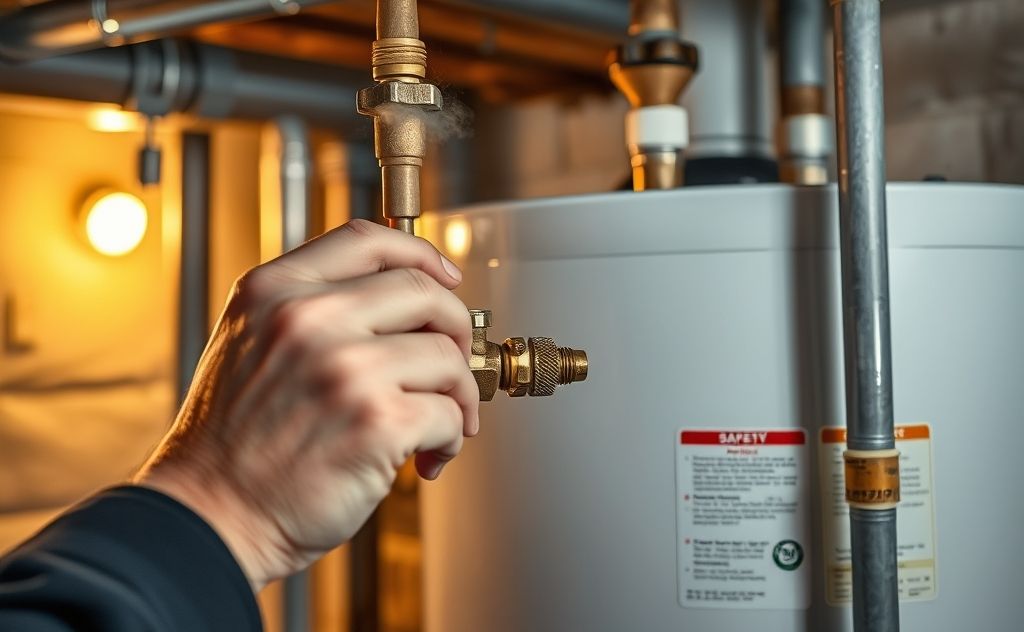
Why Air Gets Trapped in Water Heaters
Air enters water heater systems through several common ways:
- Recent plumbing work or water main repairs
- New water heater installation
- Faulty pressure relief valve
- Hydrogen gas production from the anode rod (in electric heaters)
Signs You Need to Bleed Your Water Heater
- Sputtering or spitting from hot water faucets
- Gurgling or vibrating noises in pipes
- Reduced hot water pressure
- Inconsistent water temperature
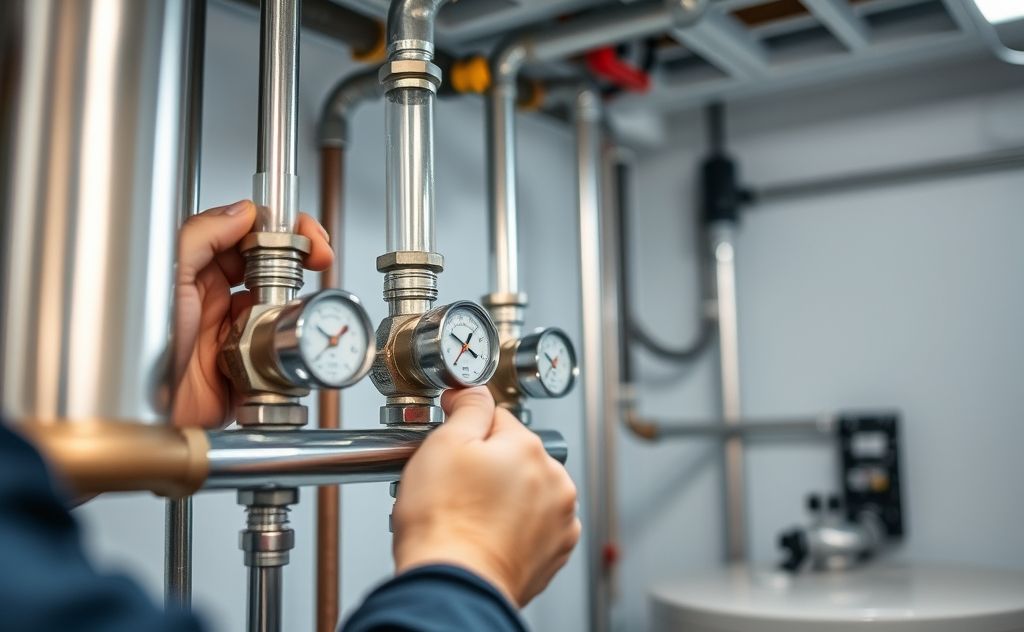
Step-by-Step Guide to Releasing Air
1. Turn Off Power and Water Supply
Safety first. For electric heaters, turn off power at the breaker. For gas models, set the thermostat to “pilot.” Shut off the cold water supply valve.
2. Attach Hose to Drain Valve
Connect a garden hose to the drain valve at the bottom of the tank. Run the other end to a floor drain or outside.
3. Open Hot Water Faucets
Open all hot water faucets in your home. This breaks the vacuum and allows air to escape.
4. Open Drain Valve
Slowly open the drain valve to release water and air. Let it run until water flows steadily without sputtering.
5. Close Valves in Correct Order
- Close drain valve
- Turn water supply back on
- Close hot water faucets starting from lowest to highest floor
- Restore power to the heater
Special Considerations
Electric Water Heaters and Hydrogen Gas
Electric heaters can produce hydrogen gas from the anode rod. If bleeding doesn’t solve sputtering, try replacing the magnesium anode with an aluminum one. Learn more about anode rods.
Pressure Relief Valve Issues
A faulty pressure relief valve may allow air in. Test it by lifting the lever briefly. If problems persist, consider replacement.
When to Call a Professional
Contact a plumber if:
- Bleeding doesn’t solve the problem
- You suspect a leak in the system
- The pressure relief valve is malfunctioning
- You’re uncomfortable performing the procedure
For complex HVAC systems, professional tools may be needed to diagnose air flow issues.
Preventing Future Air Buildup
- Install an air eliminator on your water line
- Maintain proper water pressure (55-65 psi)
- Flush your water heater annually
- Check anode rod condition regularly
According to plumbing experts, proper maintenance can prevent most air-related issues in water heaters.
Related pick: Check today's price on Amazon

I am a mechanical engineer and love doing research on different home and outdoor heating options. When I am not working, I love spending time with my family and friends. I also enjoy blogging about my findings and helping others to find the best heating options for their needs.
Related guides

Can You Use a Flexi Hose on a Water Heater?
Yes, you can use a flexi hose on a water heater, but ensure it meets safety standards and…
Hot Water Tank Blinking Red Fast? Here’s What to Do
If your hot water tank is blinking red fast, it typically indicates a fault or error; consult the…
Why Is My Rheem Hot Water Heater Beeping? (6 Causes & Fixes)
Your Rheem hot water heater may be beeping due to a fault or error, such as a high…
