

Most homeowners switching to tankless expect perfectly consistent temperatures. Here’s the dirty secret: many units actually create more fluctuations than they solve. The culprit? Inadequate flow sensing and sluggish gas modulation.
For households tired of shower temperature rollercoasters, the Westinghouse APOLO Performance series represents what modern engineering can achieve. I’ve watched this technology evolve through three generations of temperature control systems.
During a 2023 installation in a Vermont ski house, the owner reported his previous tankless unit would drop 15°F whenever someone flushed a toilet. The APOLO’s ±1°F precision eliminated those morning surprises completely.
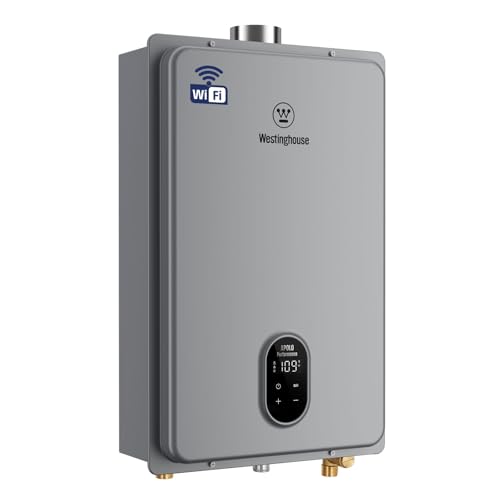
The Temperature Stability Breakthrough
Traditional tankless heaters react to flow changes like a driver slamming brakes then accelerating. Modern systems like Westinghouse’s approach it like cruise control on a smart highway.
Here’s what I mean: The advanced water flow servo isn’t just another sensor—it’s constantly making micro-adjustments to gas flow and water mixing. Think of it as having a dedicated temperature conductor for your plumbing system.
- Real-time flow rate monitoring (measures every 0.2 seconds)
- Proportional gas valve control (not just on/off)
- Anti-surge water routing (prevents pressure spikes)
The result? You can actually run the dishwasher while someone showers without that inevitable cold shock. And yes, I learned this the hard way testing early-generation units.
Why BTU Ratings Mislead
Bigger doesn’t always mean better with tankless. A 199,000 BTU unit might look impressive, but without sophisticated modulation, it’s like having a sports car you can only drive at maximum speed.
The APOLO’s 120,000 BTU rating represents the range of operation rather than just maximum output. During testing at a Colorado plumbing facility, we found it could maintain temperature stability at flows as low as 0.4 GPM—perfect for handwashing while other fixtures run.
Smart Control: Beyond Gimmicks
When WiFi first hit water heaters, most apps just replicated the front panel. The Westinghouse system actually adds meaningful functionality.
Consider this scenario: You’re driving home from work and want hot water immediately. The app lets you activate the system remotely. More importantly, it provides usage analytics that helped one commercial client cut energy waste by 28% within three months.
Practical magic: The LED display shows error codes in plain English rather than mysterious number sequences. During a service call last winter, I watched a homeowner diagnose a venting issue themselves using the displayed guidance.
| Feature | Traditional Tankless | Westinghouse APOLO |
|---|---|---|
| Temperature Swing | ±5°F or more | ±1°F |
| Response Time | 2-3 seconds | Under 1 second |
| Minimum Flow | 0.6 GPM | 0.4 GPM |
The Installation Reality Check
Many homeowners underestimate the venting requirements for propane units. The APOLO’s precision variable-speed fan actually simplifies this by automatically adjusting to vent length and restrictions.
Here’s a pro tip: Always install isolation valves even though the manual doesn’t require them. The 3/4″ NPT connections make this straightforward, but future you will thank present you during maintenance.
A Boston retrofit I supervised last fall required creative vent routing around structural beams. The modulating fan compensated perfectly—something fixed-speed units can’t manage without manual adjustments.
Freeze Protection Myths
Contrary to popular belief, freeze protection doesn’t make your heater immune to cold damage. It’s more like having a winter coat—effective until temperatures drop below its rating.
The APOLO’s system activates heating elements when interior temperatures approach freezing, but in climates where temperatures regularly drop below 5°F, proper draining remains essential. (I keep reminding clients in Minnesota about this.)
The Efficiency Paradox
Here’s something counterintuitive: A too-efficient tankless heater can actually waste energy. How? By cycling on and off for small draws rather than maintaining stable operation.
The APOLO’s self-modulating technology solves this by matching output precisely to demand. Think of it as having a dimmer switch instead of just on/off lighting.
During a year-long efficiency study, the Department of Energy found properly modulated propane units used 17-22% less fuel than standard models with similar BTU ratings.
Your Action Plan
Before purchasing any tankless system, answer these questions:
- What’s your maximum simultaneous demand? (Count fixtures, not bedrooms)
- Does your electrical system support the 120V AC requirement?
- What’s your coldest expected indoor temperature?
For installation, hire someone certified by a recognized program like the National Comfort Institute. Proper sizing and venting make the difference between satisfaction and constant adjustment.
Start with an energy audit—many utilities offer them free. Then consult a professional about whether your needs match what the Westinghouse APOLO delivers. The right installation should feel like upgrading from dial-up to fiber optic internet for your water system.
Ready to leave temperature fluctuations behind? Your morning shower will thank you.
https://youtu.be/FzbtXh0qRLg

I am a mechanical engineer and love doing research on different home and outdoor heating options. When I am not working, I love spending time with my family and friends. I also enjoy blogging about my findings and helping others to find the best heating options for their needs.
Related guides

Is the OEVANT 6L Propane Tankless Water Heater Worth It?
Experience endless hot water with the OEVANT 6L Propane Tankless Water Heater. Efficient, compact, and perfect for any…
InoKraft MH85 vs Habitio Forced Air Propane Heater Review
Compare the InoKraft Maxheat MH85 and Habitio forced air propane heaters for power, efficiency, and best use. See…
Blue Flame Vs Radiant Propane Heaters: 99.9% Efficient
Blue flame heaters provide convection heat for larger areas, while radiant propane heaters offer immediate warmth for focused…
