Why Is My Propane Heater Making Noise? Troubleshooting Guide
On this page 7 sections
A propane heater does not need to be silent to be healthy. A little clicking from the thermostat or valve and some crackle as metal heats are common; a loud hiss, knock, or roar is the kind of noise that deserves a hard stop.
One useful number frames the problem: a 1 lb propane cylinder holds about 21,600 BTU, so a heater that suddenly sounds wrong is usually wasting fuel or burning poorly rather than just “getting louder.”
Propane Heater Noise Causes and What They Mean

Clicking, crackling, and a small hiss from your propane heater often come from normal operations like the thermostat cycling or metal expanding. These sounds are expected as the heater warms up. But louder noises like roaring, knocking, or sharp hissing at connections signal trouble and need immediate attention.
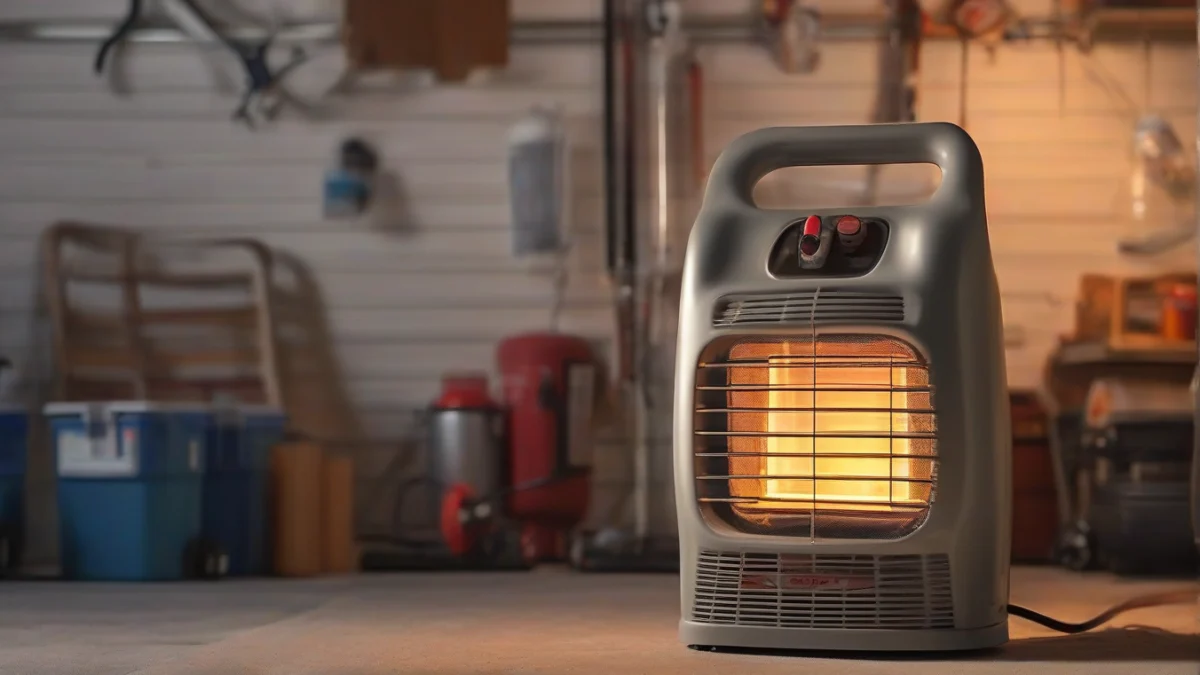
Propane heaters designed for garages and home use usually have safety features like tip-over switches and overheat protection. Many models require electricity for ignition or fans, but some run fully on propane. Confirm your model’s requirements in the manual before troubleshooting.
Which Noise Is It? How To Match The Sound
| Sound | Likely Cause and Danger Level |
|---|---|
| Clicking | Normal thermostat or gas valve operation; safe |
| Crackling | Metal parts expanding; normal |
| Humming | Air trapped in gas line; usually not dangerous but indicates need for purging |
| Hissing | Possible propane leak or loose fitting; dangerous |
| Gurgling | Overfilled propane tank or liquid propane in line; watch for malfunction |
| Knocking | Incomplete combustion inside burner; dangerous |
| Roaring | Excess fuel or combustion issue; dangerous |
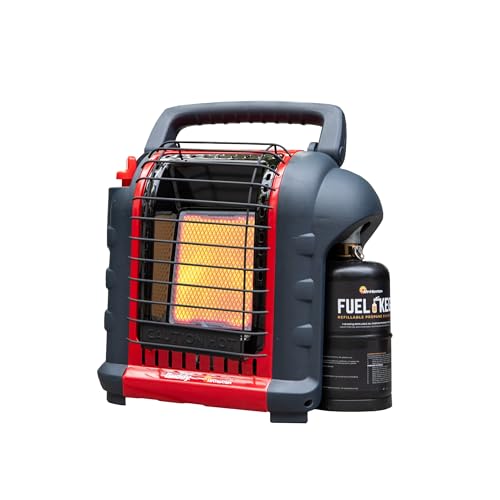
The tip-over switch on portable propane heaters can cause clicking sounds when it activates after being moved or tilted. This is a safety feature, not a fault.
A healthy propane heater flame is mostly blue with small yellow tips. If you see lazy yellow flames or soot deposits, it signals incomplete combustion that often goes with knocking or roaring noises—these need prompt fixing.
Why Clicking, Humming, Or Hissing Happens
Normal Thermostat Or Valve Clicking
Clicking sounds often come from the thermostat or gas valve cycling as the heater turns on and off to maintain temperature. This is common in small propane heaters, vented or unvented, and even those without electricity that rely on a thermocouple and gas valve.
To confirm, listen for clicking that follows the heater’s heat cycle and stops when the unit is off. No other unusual noises or odors should be present.
Air Trapped In The Gas Line Causing Humming
A humming noise can come from air trapped in the gas line, especially after a tank change or when the heater has sat unused for a while.
You can confirm this by noting if the humming starts right after changing the propane tank or after long storage. This noise usually fades after bleeding the air out following the ignition procedure.
Dirty Pilot Tube Or Burner Causing Ignition Noises
Dirt blocking the pilot tube or burner disrupts gas flow, causing sputtering, hissing, or irregular clicking during ignition.
Visually inspect the pilot flame. It should be steady and blue, covering about two-thirds of the thermocouple. A weak or flickering flame suggests cleaning is needed.
Loose Gas Fitting Or Propane Leak Causing Hissing
Hissing near a fitting almost always means a propane leak, which is dangerous. Loose or hand-tighten fittings can cause this noise and must be checked immediately.
Confirm by smelling for propane (a distinct odor) and listening for continuous hissing when the heater is on and gas supply open.
Incomplete Combustion Causing Knocking Or Roaring
Knocking or roaring noises indicate incomplete combustion, which produces soot and carbon monoxide—a serious hazard.
Check for yellow or sooty flames instead of clean blue, or a strong odor of gas or exhaust. These signs mean the heater must remain off until inspected.
Overfilled Cylinder Or Liquid Carryover Causing Gurgling
Gurgling sounds usually point to an overfilled propane tank or liquid propane in the gas line, which prevents proper vaporization and is unsafe.
This cannot be fixed by cleaning or tightening; the heater should be shut off and not used until the tank is serviced or replaced.
Tilted Heater Causing Tip-Over Switch Clicking
Portable propane heaters have a tip-over switch that clicks when the unit is tilted or carried, shutting the heater off as a safety feature.
If you hear clicking after moving or tilting the heater, confirm it by setting the heater upright and seeing if the clicking stops.
How To Fix A Noisy Propane Heater
Start by cleaning the burner ports and pilot tube, which often get clogged with soot or dust and cause noisy ignition or uneven flames.

Dirty igniters or pilot tubes cause the heater to chatter or cycle loudly. Cleaning is your first fix; replace these parts only if they’re cracked or worn beyond repair.
Follow the manufacturer’s instructions exactly for vented and direct-vent units. Loose flue collars or blocked vents can change the noise and pose safety risks at the same time.
Rinnai propane heater troubleshooting often involves these same steps: clean the pilot, check the thermocouple, and ensure proper venting. Your propane heater pilot and installation must meet local codes and manufacturer guidelines to avoid noise and safety issues.
For propane heaters used in garages, sizing the heater properly matters. Too large or too small a unit can cause noisy cycling or inefficient operation. A propane heater is basically a gas-fired space heater that needs correct setup and maintenance to work quietly and safely.
When To Call A Licensed Technician
Call a licensed technician immediately if you smell gas, hear recurring hissing at connections, or see yellow or lazy flames that don’t improve after cleaning.
Soot buildup, repeated safety shutdowns, cracked burner parts, or damaged regulators are also signs that professional help is needed.
Replacing the heater makes more sense than repair when the gas valve, burner, or heat exchanger is cracked or repeatedly fails. Older units with frequent safety trips are safer to replace than keep fixing.
Simple repairs like replacing a worn igniter, thermocouple, or pilot tube are reasonable DIY jobs. But damage to the combustion chamber or gas train means replacement.
Vented propane heaters and home-installed systems often require a pro because gas piping, venting, and combustion adjustments aren’t casual weekend projects.
If you’re considering a new unit, look for models specifically rated for indoor use with proper ventilation and a working carbon monoxide alarm. The guide to garage propane heaters can help you find safer, quieter options designed for enclosed spaces.
How To Keep The Noise From Coming Back
Regular maintenance is the best way to prevent propane heater noise and keep your heater running efficiently and safely. Dust and spider webs can shift airflow, causing uneven flames and noisy operation, so keeping burner ports and air intakes clean is essential.
Run your heater briefly every few weeks during off-season storage to keep the pilot light and ignition system functioning smoothly. Store propane cylinders upright and always keep the heater level during use to avoid rattles and gas flow issues.
Before each heating season, inspect key parts: the thermocouple should be clean and properly flame-covered, the igniter must spark reliably, the pilot opening should be clear, and burner ports free of debris. Check the hose, regulator fittings, and cylinder valve for leaks, cracks, or looseness.
Propane heaters designed for indoor use are rated as such in their manual and require the ventilation it specifies. Vent-free heaters are banned or restricted in some areas; always check your local code before keeping or installing one indoors.