The most common cause of heat pump problems is restricted airflow or dirty filters. Check the air filter and outdoor unit first to clear blockages and restore normal heating before exploring more complex fixes.
Heat pumps rely on clean airflow and proper refrigerant levels to heat efficiently. A clogged filter or blocked outdoor coil often causes the unit to stop heating well or cycle oddly. Before calling a technician, you can perform a quick visual and operational check to identify the root problem.
Knowing what to check first saves time and money, especially before the cold sets in. This article walks you through the fastest 60-second checks, confirms common causes from most to least likely, and guides you on safe fixes and when to call in a pro.
Key takeaways
Check and replace or clean the air filter every month during heating season.
Clear leaves, snow or debris from the outdoor unit to maintain airflow.
Listen for unusual noises that might indicate a failing compressor or fan motor.
Reset the thermostat and power to the heat pump to rule out control glitches.
Call a licensed HVAC technician if refrigerant leaks, electrical faults, or compressor failures are suspected.
Problems of Heat Pumps: What to Check and Fix
The common problems of heat pumps, including searches for problems of heat pmps, usually start with a dirty filter, blocked outdoor coil or thermostat error; refrigerant leaks and compressor failures are less common but more serious. Check airflow, thermostat settings, power, outdoor clearance and unusual sounds first, because those quick checks separate a simple blockage from a job for a technician.
60-Second Inspection
Confirm the thermostat is set to Heat, the set temperature is above room temperature, and the batteries or display aren’t failing.
Check the indoor air filter for a gray, dusty face or heavy blockage.
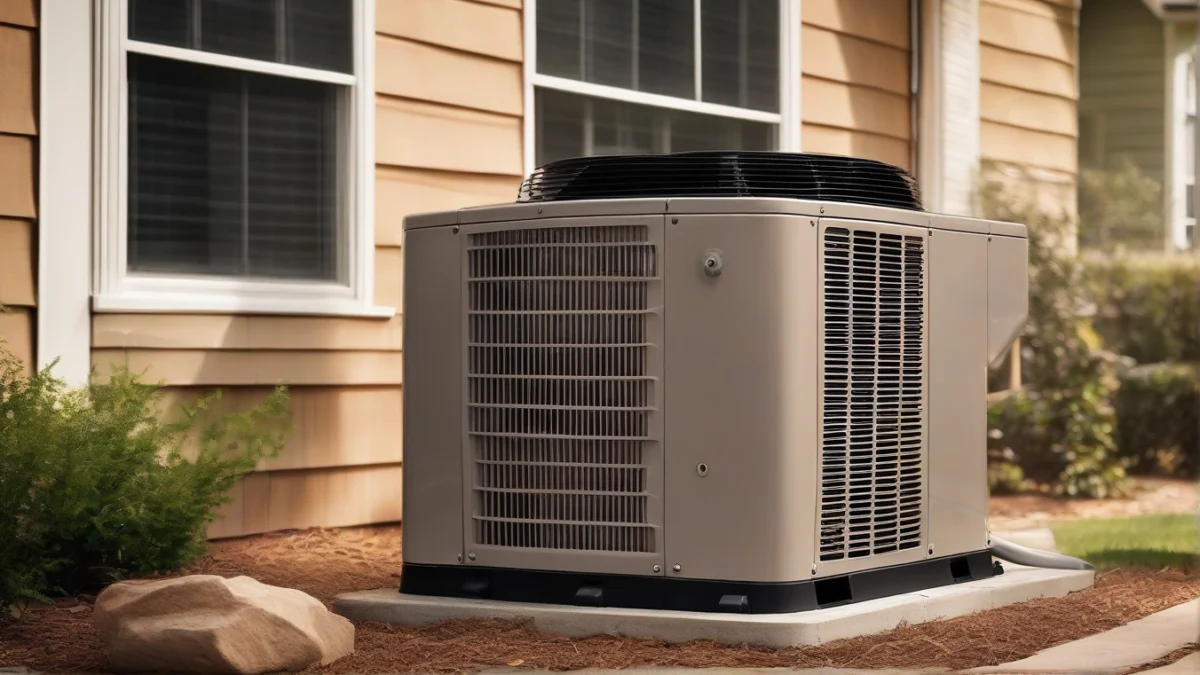
Look at the outdoor unit for leaves, grass, snow, ice or stored items blocking the coil.
Check the electrical panel for a tripped heat-pump breaker, but don’t repeatedly reset a breaker that trips again.
Listen for the indoor blower and outdoor fan; a hum, click or silence tells you which part may not be starting.
Likely problem
Quick signs
What you can check
Dirty air filter
Weak airflow, longer run times, uneven rooms
Remove the filter and hold it toward a light; heavy dust blocking the surface is enough reason to replace it.
Blocked outdoor coil
Poor heating, outdoor unit running hard or shutting down
Look for debris pressed against the coil and leave the fan opening clear.
Thermostat error
No call for heat, wrong mode, blank or inaccurate display
Confirm Heat mode, setpoint and schedule; a reset may help if the controls are frozen.
Refrigerant leak
Reduced heating, hissing, ice that returns, or long continuous cycles
Look for persistent icing or oily residue near refrigerant tubing; don’t open the sealed system.
Compressor failure
Outdoor unit hums, clicks off, struggles to start or won’t run
Note the sound and whether the breaker trips; sealed-system and electrical testing belong to a qualified technician.
Symptoms overlap, so one clue rarely proves the cause by itself.
1
Check the call for heat
Set the thermostat a few degrees above the room temperature and wait for the system to respond. A schedule, vacation mode or weak battery can make a healthy heat pump look broken.
2
Compare airflow and temperature
Hold your hand over a supply register. Weak airflow points toward a filter, blower or duct problem; normal airflow with barely warm air points farther toward the outdoor unit or refrigerant circuit.
3
Watch the outdoor unit
The fan should start during a heating call, although a short defrost cycle can temporarily change what you see. Thick ice that remains, repeated shutdowns or a fan that never starts needs more than a filter check.
A thermostat can also misread the room if its sensor is near a draft, supply register or heat-producing appliance. If the display is responsive but the heat pump ignores a clear call for heat, try the manufacturer’s reset procedure; a guide to resetting a smart thermostat can help when the control itself is the suspect.
Stop Before Opening Panels
Turn the system off at the thermostat before basic inspection, and switch off the appropriate disconnect or breaker before touching the indoor or outdoor unit. Don’t remove electrical covers, handle refrigerant lines or bypass a safety switch.
Check the Air Filter and Outdoor Unit First
Start with the air filter and outdoor unit because a blocked airflow path can make a working heat pump run constantly while delivering little heat. Turn the thermostat off before handling the equipment, and shut off power at the disconnect or breaker before reaching into either unit.
Ensure your air filter is clean for optimal airflow.
1
Find the filter
Look behind the large return-air grille or in the indoor air-handler cabinet. Note the filter size and the arrow showing airflow direction before pulling it out.
2
Inspect the filter
Hold a disposable filter toward a light. If dust covers much of the surface, airflow is restricted; a filter can look only mildly dirty and still load the blower when it is packed with fine dust.
3
Clean or replace it
Replace a disposable filter with the same size and airflow direction. If the filter is marked washable, rinse it as the manufacturer directs and let it dry completely before reinstalling it. Never put a damp filter in the system.
4
Inspect the outdoor unit
Clear leaves, grass, snow and stored objects from around the cabinet and coil. Keep the fan opening open, but don’t bend the thin coil fins or reach through the grille.
5
Restore airflow and power
Reinstall the filter correctly, close the return grille or cabinet, restore the disconnect or breaker, and set the thermostat to Heat. Give the system time to start and check whether airflow and heating improve.
Before You Turn It Back On
The filter is the correct size and its arrow points toward the air handler.
The return grille and supply registers aren’t covered by furniture, rugs or curtains.
Leaves, grass and snow are cleared from the outdoor unit without scraping the coil.
No ice is packed around the fan or coil.
The cabinet panels and access doors are fully closed.
Don’t Chip Ice
Never use a knife, screwdriver or other sharp tool on an iced outdoor coil, and don’t pour boiling water over it. Ice can damage the coil or fan; if it returns quickly after a normal defrost cycle, leave the unit off and arrange service.
A clear outdoor unit and fresh filter should improve airflow, but they won’t repair a refrigerant leak, failed compressor or electrical fault. If the heat pump still blows weakly, trips the breaker or develops persistent ice after this check, stop there rather than turning a small diagnosis into a cold-weather parts hunt.
Diagnose Refrigerant and Compressor Issues
Heat pump problems that remain after the filter and outdoor unit are clear often point to low refrigerant or a failing compressor. Weak heating and frost on the indoor or outdoor coil can indicate low refrigerant, while loud mechanical noises, no heat and frequent cycling raise concern about the compressor or its controls.
Check the compressor unit for potential issues.
What you notice
What it can mean
What you can check
Weak heat after airflow is clear
Low refrigerant, control trouble or a compressor problem
Confirm the thermostat setting and note whether the outdoor unit runs
Frost or ice returning on a coil
Low refrigerant, poor airflow or a defrost fault
Check that the filter and outdoor coil are clear; don’t chip at the ice
Loud hum, grinding or clattering
Compressor, fan motor or electrical fault
Turn the system off if the noise is severe or newly appeared
Short cycles or no heat
Compressor trouble, control fault or another system problem
Record cycle length and whether the breaker trips
A symptom narrows the search; it doesn’t identify the failed part by itself.
Frost is a useful clue only after airflow has been checked. A dirty filter or blocked coil can also cause the refrigerant circuit to run too cold, so repeated ice after those blockages are gone deserves a technician’s diagnosis rather than another round of scraping.
Don’t open the refrigerant circuit
Refrigerant recovery, leak testing, charging and compressor work require the proper equipment and a qualified technician; local rules may require a licensed HVAC professional. Refrigerant can cause injury, and releasing or charging it by guesswork can damage the heat pump.
1
Record the symptoms
Write down the thermostat setting, outdoor temperature if you know it, cycle length, unusual sounds and whether the system blows cool air in heating mode.
2
Check the easy evidence
Confirm the filter and outdoor unit are clear, then look for oil staining around refrigerant tubing or fittings. A stain can suggest a leak, but it doesn’t prove one.
3
Stop when the compressor sounds wrong
Shut the heat pump off if it grinds, repeatedly tries to start, trips the breaker or develops a strong electrical smell. Don’t keep resetting a tripped breaker.
4
Use backup heat carefully
If your system has auxiliary or emergency heat, use it only as the equipment manual directs while waiting for service. It can cost more to run, so use the lowest safe setting that keeps the space protected.
Have This Ready For The Call
Heat pump make, model and approximate age
Photos of the thermostat display, frost pattern and outdoor unit
The date the weak heating or noise began
Any breaker trips, error codes or recent electrical work
Whether the filter and outdoor coil were clear when the problem appeared
From HeaterGuides · our own guideHeat pump or not? Page 6 is the decision guide; the Excel sheet works out the payback.Heating System Upgrade PlannerChoose between a heat pump, a furnace, a boiler or a hybrid with your own numbers, and hire the right installer.Every system compared side by side25 questions for contractors, red flagsRunning-cost, payback and quote calculator (Excel)$14.99$9.99Get it for $9.99See what's inside and watch the 2-minute video →16-page printable PDF + Excel calculator · instant download · 30-day refund
When to Call a Licensed Technician or Replace the Heat Pump
Heat pump problems need a licensed technician when they involve refrigerant, high-voltage electrical parts or the compressor; replacement becomes worth pricing when the unit is over 10 to 15 years old, fails repeatedly or needs a repair that approaches the cost of a new system.
Situation
Usually the sensible move
Refrigerant leak or recharge
Professional leak testing and repair; don’t add refrigerant yourself
Failed capacitor, wiring, controls or breaker-related fault
Licensed electrical or HVAC diagnosis and repair
Compressor replacement
Get a written repair price and a replacement comparison
Older unit with repeated failures
Compare a new system’s installed cost, expected efficiency and remaining repair risk
One isolated, affordable fault on a younger unit
Repair is often reasonable if the rest of the system is sound
Age helps frame the decision, but condition and repair cost decide it.
Leave the dangerous work alone
Don’t remove electrical panels, bypass safety switches, handle refrigerant or replace a compressor as a DIY project. Shut off the system and its disconnect if there is burning odor, damaged wiring or repeated breaker tripping; call a qualified professional.
Choose a technician who works on heat pumps, can identify the refrigerant used by your model and will provide a diagnosis before proposing a replacement. Ask for the failed part, the test result that supports the diagnosis, the repair price and a separate replacement estimate; a vague ‘the system is old’ is not much of a diagnosis.
Prepare For The Visit
Clear access to the indoor unit, outdoor unit, thermostat and electrical panel
Keep the model and serial numbers available
Write down every recent symptom and repair
Ask whether auxiliary heat is operating and what temporary setting is safe
Request repair and replacement options in writing
Replacement makes more sense when repair bills keep arriving, the compressor has failed on an older system or the unit can’t maintain heat despite proper airflow and sound controls. A 12-year-old heat pump with one failed sensor is a different decision from a 12-year-old heat pump needing a compressor, refrigerant leak repair and repeated electrical fixes.
Troubleshoot Infrared Heater and Radiant Ceiling Heat Problems
To troubleshoot infrared heater problems, start with the power supply and thermostat; electric heat in ceiling problems usually trace to a tripped breaker, failed thermostat or wiring fault. Radiant ceiling heat problems differ from heat pump faults because there’s no outdoor unit, refrigerant circuit or air filter to inspect.
1
Check the power
For a plug-in infrared heater, make sure the plug fits snugly into a dedicated wall outlet and test that outlet with another small device. Avoid using an extension cord or power strip, as they can overload and cause hazards. For hardwired infrared or ceiling heat, check the related breaker in the electrical panel and reset it once by switching it fully off and on. If the breaker trips again, call an electrician instead of resetting repeatedly.
2
Inspect the thermostat
Set the thermostat above the room temperature and confirm the correct heat mode. Replace its batteries if the model uses them. Look for a blank display, loose wall plate or a thermostat that clicks without producing heat. Turn the breaker off before removing the thermostat cover; never handle exposed wires while energized.
3
Look for wiring warning signs
Burning odor, buzzing, scorch marks, a warm wall plate or intermittent heat points to a wiring or connection problem. Stop using the heater and leave the circuit off. Ceiling heating cables and junction-box connections are inside the building structure, so don’t cut into the ceiling or attempt a splice.
Call An Electrician
Call a licensed electrician for electric ceiling heat that stays cold after one safe breaker reset, trips the breaker, smells hot or shows damaged wiring. Ceiling systems can involve high-voltage circuits hidden above the drywall; diagnosis may require testing at the thermostat, junction box and heating element.
What To Record
Whether the breaker trips immediately or after the heat runs
Thermostat display, setting and battery condition
Which rooms or ceiling zones have lost heat
Any odor, buzzing, discoloration or warm switch plate
A heat pump moves heat and may need airflow or refrigerant diagnosis; infrared and radiant ceiling systems turn electrical energy into heat at the emitter or ceiling element. That makes the first checks simpler, but a failed ceiling element or hidden conductor still belongs in an electrician’s hands.
Frequently Asked Questions
What causes a heat pump to stop heating properly?
Restricted airflow is the usual culprit, but a thermostat setting, iced outdoor coil, failed defrost control, low refrigerant or compressor fault can also reduce heating. Check whether the indoor fan runs, the outdoor unit starts and the system has switched to emergency heat before scheduling service.
How often should I change or clean my heat pump’s air filter?
Inspect the filter once a month and clean or replace it according to the filter and heat pump manufacturer’s instructions. Disposable filters should be replaced rather than washed; heavy dust, pets or renovation work can shorten the interval.
Can I fix refrigerant leaks in my heat pump myself?
No. Refrigerant leak testing, repair and recharging require proper equipment and a licensed technician, and adding refrigerant without finding the leak only postpones the failure. Turn the system off if it runs constantly, blows cool air and develops ice after airflow checks are clear.
Why does my heat pump freeze up in winter?
A light coating of frost can be normal because the outdoor coil gets cold during heating, and the defrost cycle should remove it. Solid ice usually means blocked airflow, a failed defrost control, a fan problem or low refrigerant; don’t chip at the coil or pour hot water over it.
What safety precautions should I take before inspecting my heat pump?
Set the thermostat to off, shut off the outdoor disconnect and the heat pump breaker, then wait for the fan to stop before checking the filter or clearing leaves. Keep your hands out of electrical compartments, don’t touch capacitors or refrigerant lines, and call a technician for wiring, refrigerant or compressor work.
How do I know when it’s better to replace my heat pump instead of repairing it?
Replacement deserves a price check when the unit needs repeated repairs, the compressor or coil has failed, parts are difficult to find or heating performance has declined despite proper maintenance. Compare the complete repair estimate with a replacement quote and expected operating cost, then factor in whether the system still meets your comfort needs.
Before you go · a welcome giftGet the Heating System Upgrade Planner for $4.99Choose between a heat pump, a furnace, a boiler or a hybrid with your own numbers, and hire the right installer. Normally $14.99; your welcome price saves $10.00. We'll email your link right now.or skip the email and buy it now for $4.99 →One email with your link now. We never share your address.


 Heating System Upgrade PlannerChoose between a heat pump, a furnace, a boiler or a hybrid with your own numbers, and hire the right installer.Every system compared side by side25 questions for contractors, red flagsRunning-cost, payback and quote calculator (Excel)