

Tankless units only draw near their rated power while water is flowing, so the monthly bill depends on shower time, sink use, and inlet water temperature more than the nameplate.
A 120V point-of-use unit like the product below can make sense at a single sink. For whole-house use, the breaker panel and flow rate decide the bill as much as the heater does.
Power Consumption Electric Tankless Water Heater
An electric tankless water heater rated at 4.5 kW uses about 4.5 kWh per hour at full output, costing roughly 77 cents an hour at 17 cents per kWh. That’s the straightforward part of electric water heater power consumption.
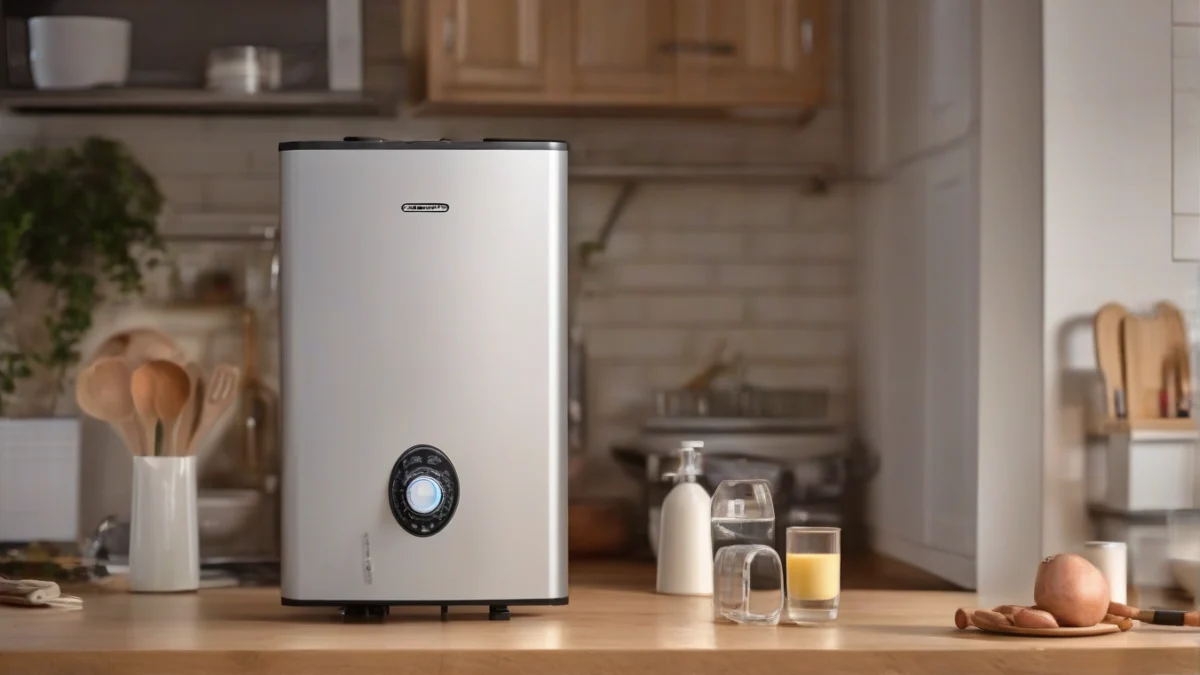
The real story is that these heaters don’t run at full power all the time. They cycle on and off depending on water flow and how much temperature rise you need. More flow or colder inlet water means more power drawn; less flow or warmer water means less.
A common mistake is to buy a tankless unit based solely on its kilowatt rating, ignoring gallons per minute flow rate and the coldest inlet temperature in winter. You might pay for a 4.5 kW heater but get less hot water than expected if the flow and temperature rise don’t match the unit’s capacity.
| Heater Type | Power Draw (kW) | Typical Use Pattern | Hourly Cost at 17¢/kWh |
|---|---|---|---|
| Tankless (4.5 kW) | 4.5 | Cycles with flow and temp rise | about 0.77 dollars |
| Small Tank (1.5 kW) | 1.5 | Cycles to maintain tank temp | about 0.26 dollars |
| Standby Tank | 0.05 | Standby heat loss | about 0.01 dollars |
| Heater | Watts | Per hour | Per day (3 h) | Per month (30 days) |
|---|---|---|---|---|
| 4.5 kW tankless heater (3 hours/day) | 4,500 W | 77¢ | $2.30 | $68.85 |
| 1.5 kW small tank heater (8 hours/day) | 1,500 W | 26¢ | 77¢ | $22.95 |

Compare Tankless, Tank, And Heat Pump Bills
Electric tankless water heaters use power only when you need hot water, while storage tanks keep water hot all day, burning electricity on standby losses. That difference shapes your monthly bill, especially if usage is low or intermittent.
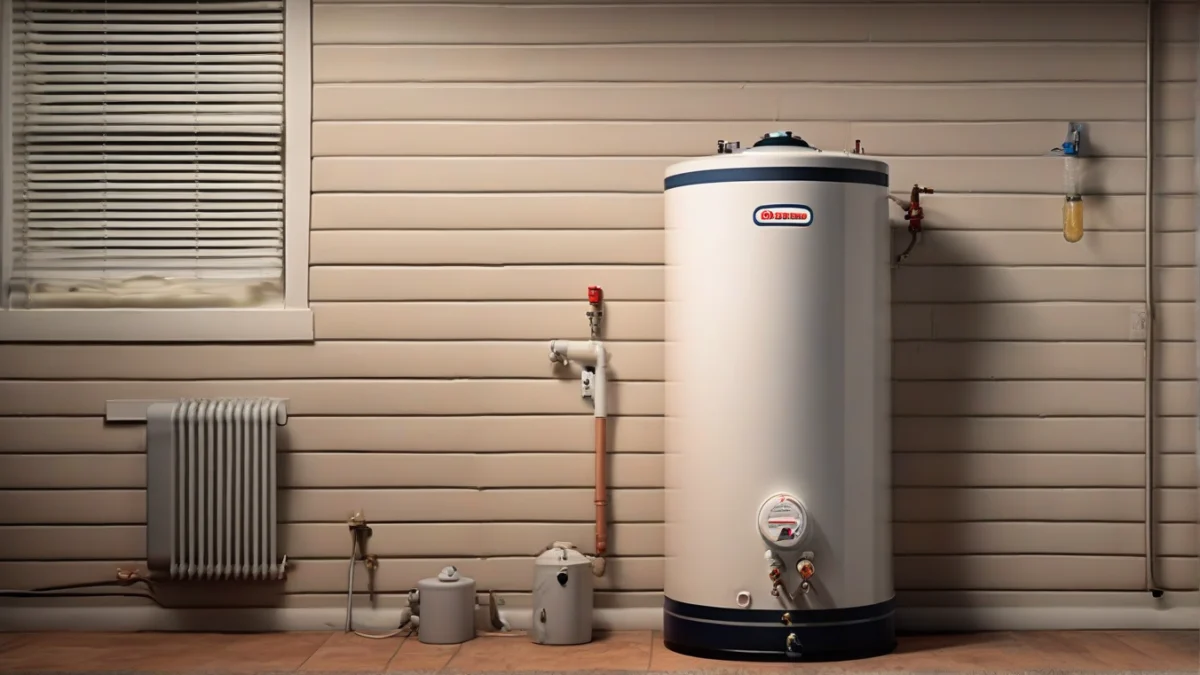
For RVs or cabins, water heating may rely on propane burners for heat and 12V or 120V electricity for controls and pumps. If the water heater runs on electricity, track kWh consumption; if it’s propane-fired, fuel consumption matters more, measured in gallons per hour.
Say your propane water heater has a burner rating of 40,000 BTU per hour. At $3.00 a gallon for propane, which holds about 91,500 BTU, the heater burns roughly 0.44 gallons per hour when running full blast. Multiply by your usage hours to find fuel cost.
An 80-liter (about 21 gallons) electric storage tank is a common household size. If its heating element is 4.5 kW running for an hour, it draws 4.5 kWh, costing about 77 cents at 17 cents per kWh. But standby losses add to that, typically around 10-15% of daily energy use, depending on insulation and thermostat settings.
| Type | Standby Loss | Circuit Needed | Typical Use Case |
|---|---|---|---|
| Tankless Electric | None, heats on demand | 30 A circuit at 240 V | Homes with intermittent high hot water demand |
| Storage Electric Tank | 10-15% daily energy lost keeping water hot | 30-40 A circuit at 240 V | Consistent hot water use, smaller flow rate |
| Heat Pump Water Heater | Lower standby losses, about 5% | Dedicated 15-20 A circuit | Energy-conscious homes with longer heat-up times |
Cut The Bill Before You Buy Parts
The cheapest hot water is the gallon you never heat. Fixing leaks and cutting run time beat any fancy control for lowering electric heater power consumption.
Modern electricity heaters use power only when heating water, so the best savings come by reducing how long they run. Lower your water heater’s setpoint safely, fix dripping hot faucets, and insulate hot water pipes to keep heat where you want it. A leaking hot water faucet can waste more energy than any control saves.
Timers or smart thermostats help by running the heater only when you expect to need hot water, but they don’t reduce the energy needed to heat the water itself. They only cut standby losses, which tankless heaters already have very little of.
Moving the heater closer to the point of use cuts wait time and water waste, which lowers total energy use. This is especially true for point-of-use electric tankless water heaters with low consumption.
Upgrading your equipment last makes sense after you’ve fixed leaks and insulated pipes. Newer models with better controls or eco modes can help further, but those gains are small compared to simply using less hot water.
Measure The Load Before You Size It
Electric water heater power requirement depends on model and installation. A 4.5 kW, 120 V tankless unit needs a dedicated circuit, hard wired to the panel as the manufacturer calls for — don’t guess based on the outlet.
Higher flow rates and colder inlet water increase the heater’s run time and total energy consumption. The power draw at any moment is the element rating, but total use depends on how long water flows hot.
Good sizing avoids paying for power you don’t use and ensures your panel can safely supply the load. For sizing math and power use details, see electric water heater power consumption.
More Questions, Answered
How many kilowatts does an electric tankless water heater use?
What is the kWh consumption of an electric water heater?
Is an electric tankless water heater cheaper to run than a tank?
How does energy consumption work for a gas tankless water heater in an RV?
How much electricity does an 80-liter electric water heater use?
Can I use a plug-in meter to measure a hard-wired water heater?
Why does my electric tankless heater use more power in winter?

I am a mechanical engineer and love doing research on different home and outdoor heating options. When I am not working, I love spending time with my family and friends. I also enjoy blogging about my findings and helping others to find the best heating options for their needs.
Related guides
Can a Water Heater Flood Your House? Warning Signs
Your water heater is a quiet workhorse. It sits in a basement, closet, or garage, reliably delivering hot…

How To Install Black And Decker Electric Tankless Water Heater
To install a Black and Decker electric tankless water heater, follow the manufacturer's instructions, ensuring proper electrical connections…
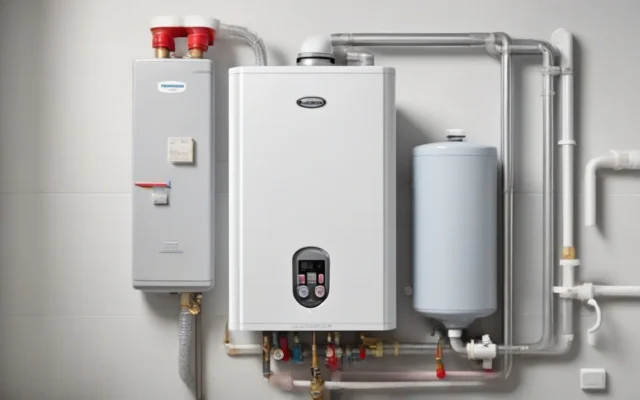
How to Use a Chemical Solution to Remove D Scale in Tankless Water Heaters
Chemical solutions remove d scale buildup in tankless water heaters, restoring flow and efficiency quickly and safely.
