

Get the sizing or venting wrong and you pay for it twice: once in fuel, and again in showers that turn lukewarm when someone opens a second tap. Indoor propane units also need the right exhaust path, because combustion gas does not politely leave on its own.
The useful question is simple: do you need endless hot water at one point of use, or do you need a system that can keep up with more than one shower at once? The answer comes down to flow rate, BTU input, and whether your house can supply the gas and venting the heater expects.
On Demand Hot Water Heater Propane
A propane on demand hot water heater heats water only when you open a tap, using a burner, heat exchanger and flow sensor to deliver instant hot water without a storage tank. This propane on-demand water heater avoids standby heat loss, but its output depends on its BTU rating and the incoming water temperature.
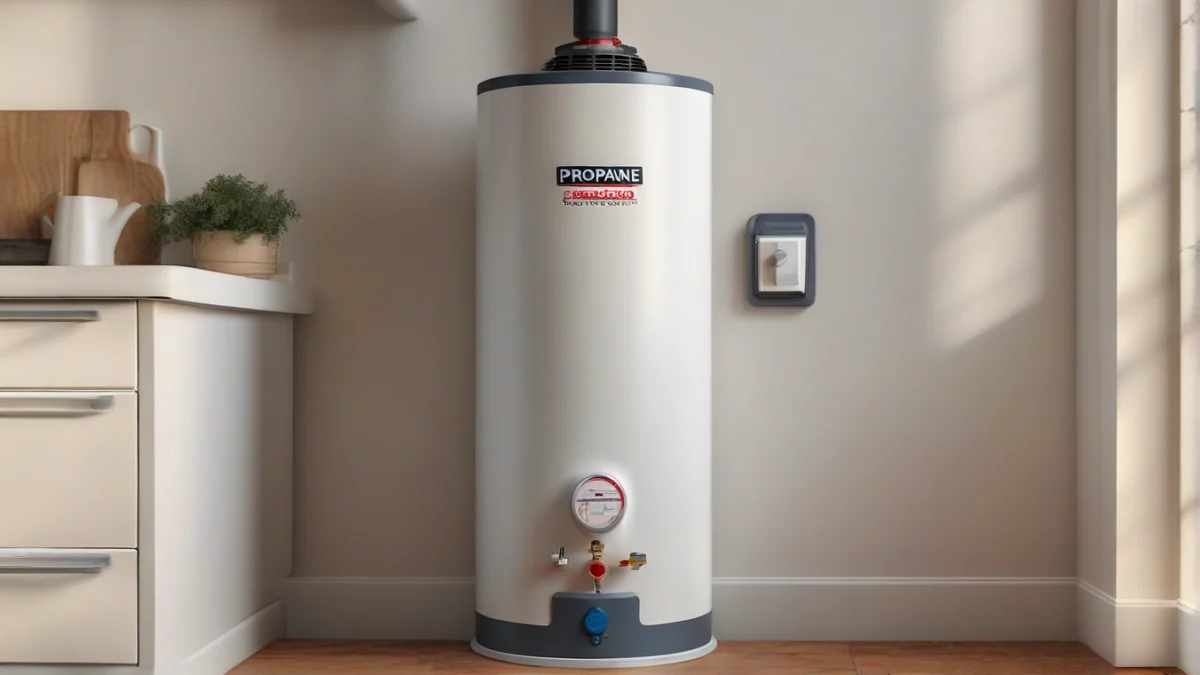
These heaters have no tank to store hot water, so they don’t burn fuel all day waiting. Instead, a flow sensor detects water movement and turns on a propane burner that heats water as it passes through a copper heat exchanger. The unit stops heating when you close the tap.
A typical propane hot water on demand unit like the APUS model delivers 95,000 BTU and supports flow rates up to 4.42 gallons per minute (GPM), enough for most bathrooms and kitchens. This capacity means it’s best suited for small homes, cabins, point-of-use spots, or where one or two fixtures run at a time. Large households with simultaneous showers may find an on demand propane water heater less forgiving.
Indoor propane tankless water heaters must be properly vented to the outside to exhaust combustion gases safely. They need a working carbon monoxide alarm nearby and must be indoor-rated models—not patio or construction heaters repurposed for indoor use.
| Feature | Propane Tank Heater | Propane On Demand Heater |
|---|---|---|
| Standby Loss | High, tank keeps water hot 24/7 | Very low, no hot water stored |
| Recovery Time | Depends on tank size, slower | Instant, limited by BTU and flow |
| Space Needed | Large tank takes space | Compact wall-mounted unit |
| Typical Use | Homes with higher simultaneous use | Small homes, bathrooms, point-of-use |

How Long a 20 lb Tank Lasts
A 20 lb propane tank’s runtime for an on demand water heater depends on how much heat the unit needs to produce and how often you run hot water. Propane on demand water heaters for residential use burn fuel in bursts, not continuously, so tank life varies with usage and water temperature rise.
To estimate use, start with the heater’s input rating in BTU per hour. Say your unit uses 95,000 BTU/hr, like many popular propane hot water on demand systems. Propane contains about 91,500 BTU per gallon. A 20 lb tank holds roughly 4.7 gallons of propane.
If the heater runs nonstop at full capacity, it consumes about 95,000 ÷ 91,500 = 1.04 gallons of propane per hour. That means the tank lasts about 4.7 ÷ 1.04 = 4.5 hours. But that’s nonstop running, which rarely happens in a home.
In January, cold water coming in at around 40°F means the heater must add more heat to reach your setpoint, so it burns more propane per gallon of hot water produced. That shortens the 20 lb tank’s run time compared to warmer months.
Does The Propane Need To Be On For On Demand Hot Water Heater
Yes, the propane supply must be open and available for a propane on-demand hot water heater to ignite and run. Without gas, the burner won’t light, so no hot water will come out.
Many propane on-demand hot water heaters also require electricity or batteries to power the ignition system, controls, and digital display. The heat itself comes from propane, but the unit’s electronics rely on power.
If the propane tank is empty, the regulator freezes, or the gas valve is closed, the heater won’t fire. This is a common cause of no hot water in propane systems.
Most propane on demand water heaters include freeze protection that activates when temperatures drop near freezing, but if you store the heater or tank in cold conditions without use, draining the unit is essential to avoid damage.
How To Install A Propane Hot Water On Demand Unit
Installing a propane on demand hot water heater involves more than just hooking up pipes and flipping a switch. You need to size the gas line correctly, place the unit where it’s accessible and safe, run venting approved for propane combustion, and connect water lines with shutoff valves.
Most residential propane on demand water heaters require venting to the outdoors, following the manufacturer’s instructions and local building codes. “Ventless” or vent-free models exist but are not a casual choice; indoor propane combustion demands careful attention to combustion air and exhaust management. Rules on vent-free units vary widely by state and city, so don’t assume your old setup will work or that local code allows it.
Gas piping, venting, combustion-air requirements, and condensate drainage are the usual tricky points. These steps call for a licensed plumber or qualified installer. Gas lines must be sized to supply enough propane without pressure drop, and venting must meet code to prevent carbon monoxide buildup or moisture problems.
Which Rooms And Homes It Suits
Propane on demand water heaters fit best in homes or spaces with moderate to low hot water demand — like one- to two-bathroom houses, cabins, workshops, or small apartments. Their ability to deliver hot water without standby losses is a strong plus for long pipe runs or infrequent use.
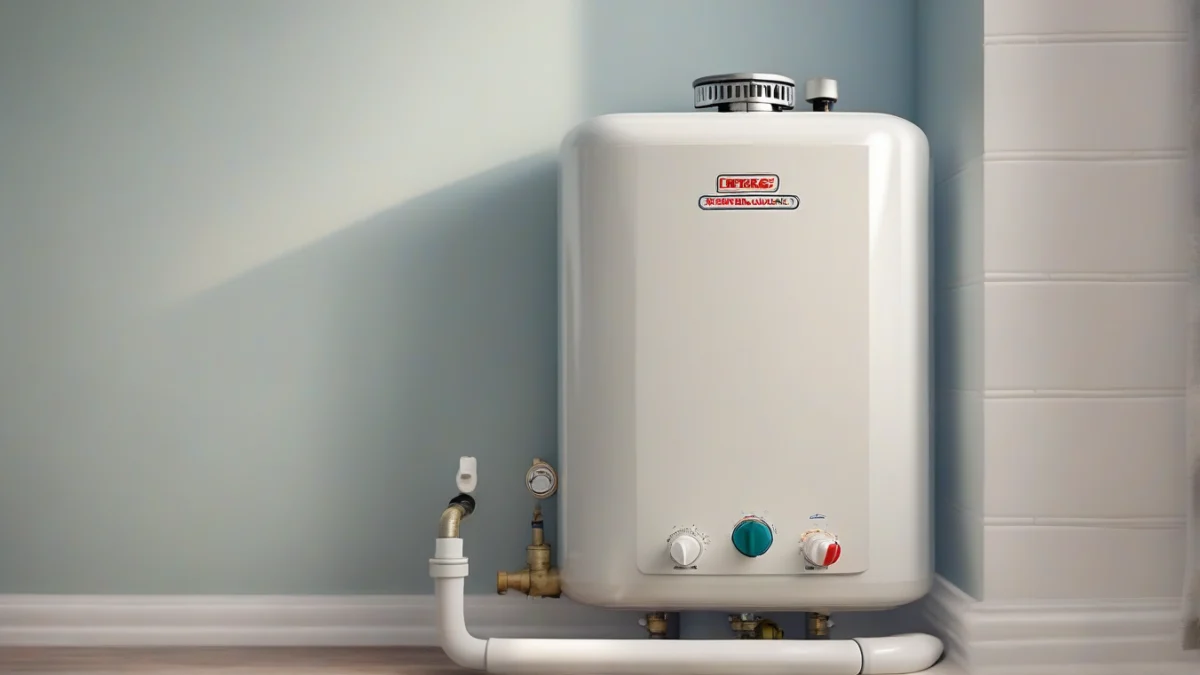
Whole-house propane on demand systems depend on gallons per minute (GPM) flow rate and the temperature rise needed. A single unit might struggle to supply two showers at once. Point-of-use models excel for remote sinks or single showers, avoiding long wait times and heat loss in pipes.
| Situation | Hot Water Need | Propane On Demand Fit |
|---|---|---|
| Shower only | Moderate flow, steady demand | Good |
| Shower plus dishwasher | Moderate flow, simultaneous use | Fair |
| Two showers at once | High flow, simultaneous use | Poor |
| Remote sink | Low flow, occasional use | Excellent |
| Cabin shutdown periods | Infrequent use, freeze risk | Good with freeze protection |
Skip propane on demand if your home has a weak gas supply that can’t keep up, poor venting options, or if you regularly need hot water at multiple points simultaneously. Under those conditions, a large storage water heater or electric backup might be better.
For compact indoor spaces needing a reliable single-unit solution, Product 1 delivers up to 4.42 GPM with precise temperature control, making it a solid pick for higher-demand single-point use.
What To Do Next
Start by confirming whether your propane hot water on demand model is designed for indoor or outdoor use. That affects venting requirements and installation location.
Next, map out the venting path. Indoor units need a clear, code-compliant vent to the outside. Check the manufacturer’s guidelines closely here.
Review your propane supply setup. The gas line must deliver enough pressure and flow for the unit’s BTU rating and your hot water usage.
Calculate your expected flow rate in gallons per minute (GPM). Compare this to the heater’s rated GPM and BTU output to ensure it can handle the number of fixtures you run simultaneously.
If gas piping, vent installation, or new electrical work is involved, plan to hire a licensed professional. These tasks must meet local codes and safety standards.
This step-by-step approach puts you on solid footing before buying or installing an on demand propane water heater. When in doubt, consult a pro to avoid costly mistakes and safety risks.
More Questions, Answered
Does the propane need to be on for an on demand hot water heater?
How do you install a propane hot water on demand unit?
Can you use an indoor propane on demand hot water heater ventless?
How long does a 20 lb propane tank last on a tankless water heater?
What size propane tank do I need for an on-demand water heater?
Is an on demand propane water heater good for a whole house?
Why does my propane on demand water heater go cold when two fixtures run at once?

I am a mechanical engineer and love doing research on different home and outdoor heating options. When I am not working, I love spending time with my family and friends. I also enjoy blogging about my findings and helping others to find the best heating options for their needs.
Related guides

Malaga Water Heater 1 Flashing Red Light: Quick Fixes
You walk into the utility closet and catch it: a single red LED blinking on your Malaga water…

Is $1,400 a Good Price for Bradford White Installation?
A homeowner receives a quote for $1400 to install a new Bradford White water heater. Is this a…
Water Heater With Shower Uses About 12 Cents Per Hour Electric
Instant electric and heat pump water heaters each serve showers well but differ in cost, efficiency, and installation.…