

Natural factors influencing daily temperature fluctuations include solar radiation, cloud cover, wind patterns, and geographical features like mountains and bodies of water.
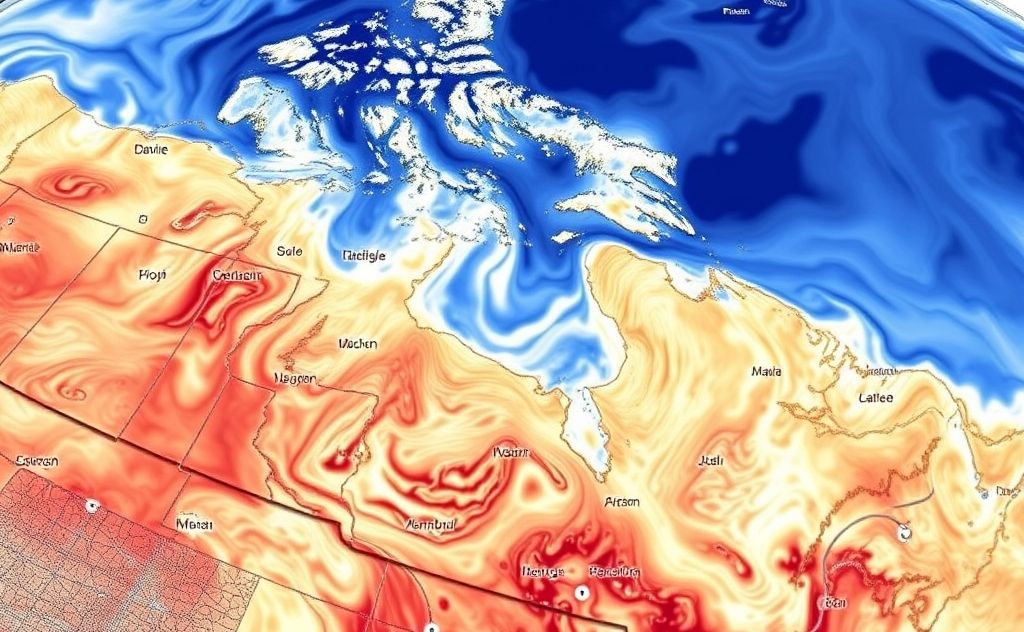
Daily temperature fluctuations are influenced by a complex interplay of natural factors. While human activities drive long-term climate trends, nature’s rhythms create the temperature swings we experience each day. Understanding these forces helps predict weather patterns and adapt to seasonal changes.

The Ordinary
The Ordinary Natural Moisturizing Factors + Hyaluronic…
- NON-GREASY MOISTURIZER: This lightweight formula keeps the outer layer of your skin protected and hydrated without feeling greasy.
- SUPPORTS HYDRATION BARRIER: Natural Moisturizing Factors + HA works with your skin to enhance its natural hydration barrier. Accep…
- SKIN IDENTICAL INGREDIENTS: Formulated with amino acids, fatty acids, ceramides, urea, and hyaluronic acid to hydrate and protect…

Key Natural Influences on Daily Temperatures
Solar Radiation Patterns

The sun’s energy drives Earth’s temperature cycles. During daylight hours, surfaces absorb solar radiation and warm the surrounding air. At night, this heat radiates back into space. The angle of sunlight varies by:
- Time of day (highest at solar noon)
- Season (summer vs. winter angles)
- Latitude (tropical vs. polar regions)
Atmospheric Conditions
Air composition dramatically affects temperature retention:
| Condition | Daytime Effect | Nighttime Effect |
|---|---|---|
| Humidity | Slows warming | Traps heat |
| Cloud Cover | Blocks sunlight | Insulates ground |
Geographic Influences
Elevation Impacts
Higher altitudes experience greater daily swings because:
- Thinner air holds less heat
- Reduced atmospheric insulation
- Stronger solar radiation at elevation
Proximity to Water
Large water bodies moderate temperatures through:
- High heat capacity of water
- Slow heat release overnight
- Sea breeze circulation patterns
Coastal areas like San Francisco show smaller daily ranges than inland deserts. For efficient heating solutions in variable climates, consider built-in gas heaters or electric heaters with wood stove aesthetics.
Weather Systems and Wind
Air Mass Movements
Different air masses bring characteristic temperature patterns:
- Maritime tropical: Warm, moist, stable temps
- Continental polar: Cold, dry, large swings
- Arctic: Extreme cold, minimal variation
Wind Speed Effects
Breezes influence temperatures by:
- Mixing atmospheric layers
- Transporting heat energy
- Preventing temperature stratification
According to British Geological Survey research, these natural processes have shaped Earth’s climate for millennia.
Seasonal and Orbital Factors
Earth’s Tilt and Rotation
The 23.5° axial tilt creates seasonal variations that affect daily temperature ranges. During summer, longer daylight hours allow more heating, while winter brings shorter days and greater cooling.
Milankovitch Cycles
These long-term orbital variations include:
- Eccentricity: Orbit shape changes (100,000 yr cycle)
- Obliquity: Axial tilt variation (41,000 yr cycle)
- Precession: Wobble in Earth’s rotation (26,000 yr cycle)
As noted by EPA climate scientists, these natural cycles operate over much longer timescales than daily fluctuations.
Related pick: Check today's price on Amazon

HeaterGuides covers home heating, water heating and HVAC: how the equipment works, what it costs to run, and how to use it safely.
