

HVAC air conditioning refers to the system that regulates indoor temperature and air quality, providing cooling and comfort in residential and commercial spaces.
Many homeowners use “HVAC” and “air conditioning” interchangeably, but these systems have important distinctions. While all air conditioners are part of HVAC systems, not all HVAC systems are just air conditioners. Understanding these differences helps you make informed decisions about home comfort.
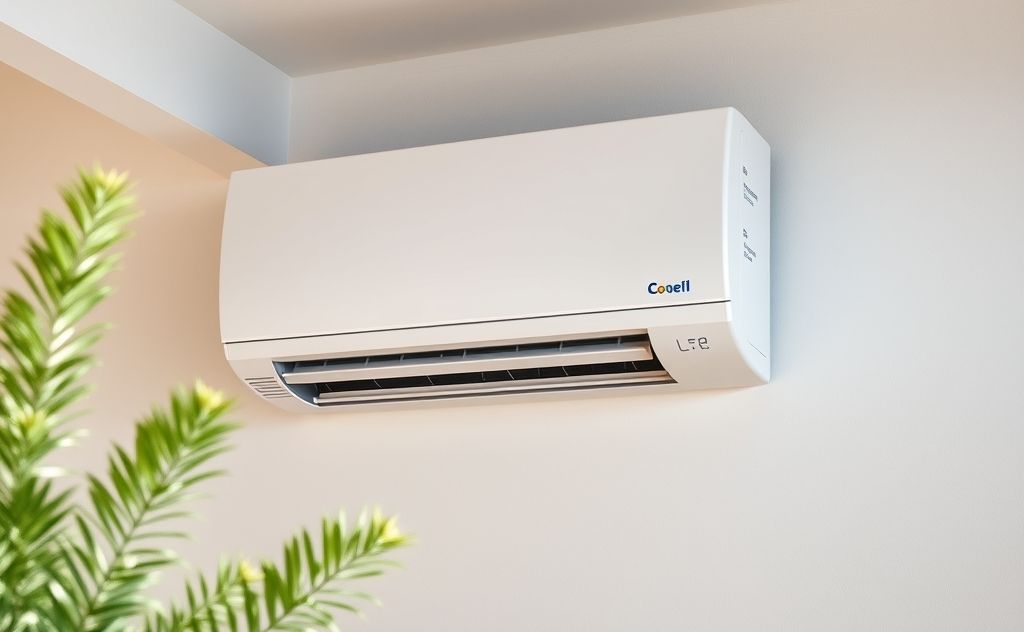
What Exactly Is HVAC?
HVAC stands for Heating, Ventilation, and Air Conditioning. This comprehensive system handles multiple climate control functions:
- Temperature regulation (heating and cooling)
- Air circulation and ventilation
- Humidity control
- Air filtration and purification
Modern HVAC systems like built-in gas heaters combine multiple technologies for year-round comfort. The ventilation component is particularly crucial, as it ensures proper air exchange and indoor air quality.
HVAC System Components
A complete HVAC system typically includes:
| Component | Function |
|---|---|
| Furnace or boiler | Provides heating |
| Air conditioner or heat pump | Provides cooling |
| Ductwork | Distributes conditioned air |
| Thermostat | Controls system operation |
| Air filters | Cleans circulating air |
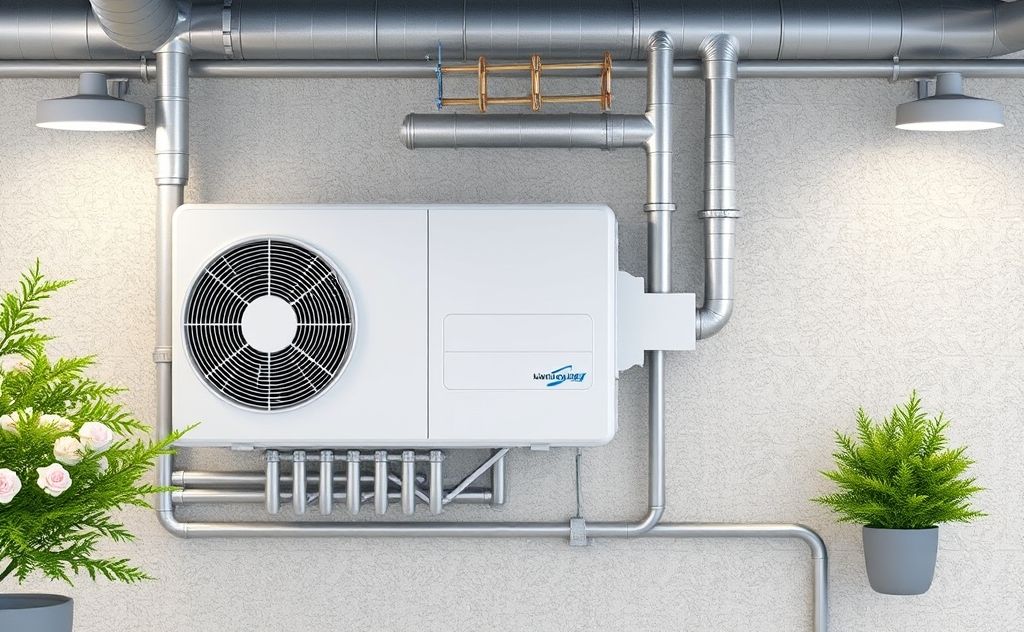
How Air Conditioning Fits Into HVAC
Air conditioning is specifically the cooling component of an HVAC system. According to the U.S. Department of Energy, air conditioners remove heat and humidity from indoor air while circulating cooled air throughout the space.
Key characteristics of stand-alone air conditioning:
- Only provides cooling (no heating capability)
- Doesn’t include ventilation components
- Typically has limited air filtration
- May be part of a split system or packaged unit
Types of Air Conditioning Systems
Common AC configurations include:
- Central air conditioning (uses ductwork)
- Ductless mini-split systems
- Window units
- Portable AC units
Key Differences Between HVAC and AC
While related, HVAC and AC systems have distinct differences:
Functionality
HVAC systems provide complete climate control including heating, cooling, and ventilation. Air conditioners only cool the air.
Components
HVAC includes furnaces, heat pumps, air handlers, ductwork, and thermostats. AC systems consist of just the cooling components like compressors and evaporator coils.
Installation
HVAC systems require professional installation of multiple components. Some AC units like window models can be DIY installed.
Cost
Complete HVAC systems have higher upfront costs but provide year-round comfort. AC units are cheaper but limited to cooling only.
Choosing Between HVAC and AC
Your climate and home needs determine which system makes sense:
- Warm climates: AC-only systems may suffice
- Cold climates: Full HVAC is essential
- Year-round comfort: HVAC provides complete temperature control
- Air quality concerns: HVAC offers better filtration and ventilation
For homes needing both heating and cooling solutions, consider combination units that offer dual functionality in a single package.
Energy Efficiency Considerations
Modern HVAC systems prioritize energy efficiency through:
- Variable-speed compressors
- Smart thermostats
- Zoned temperature control
- High SEER ratings (Seasonal Energy Efficiency Ratio)
The ENERGY STAR program provides efficiency ratings for both HVAC systems and standalone AC units, helping consumers choose energy-saving models.
Maintenance Requirements
Both HVAC and AC systems require regular maintenance, but HVAC systems typically need more comprehensive care:
| Maintenance Task | HVAC System | AC Unit |
|---|---|---|
| Filter changes | Monthly | Monthly |
| Professional tune-up | Twice yearly | Annually |
| Duct inspection | Annually | N/A |
| Refrigerant check | Annually | Annually |
Related pick: Check today's price on Amazon

I am a mechanical engineer and love doing research on different home and outdoor heating options. When I am not working, I love spending time with my family and friends. I also enjoy blogging about my findings and helping others to find the best heating options for their needs.
Related guides

HVAC Buying Guide: 7 Crucial Factors to Consider
A brisk HVAC buying guide for winter: best thermostat picks, what specs matter, and the add-ons that keep…
HVAC Temperature Control: 10 Best Practices for Efficiency
Implementing HVAC temperature control best practices includes regular maintenance, programmable thermostats, zoning systems, and proper insulation for energy…
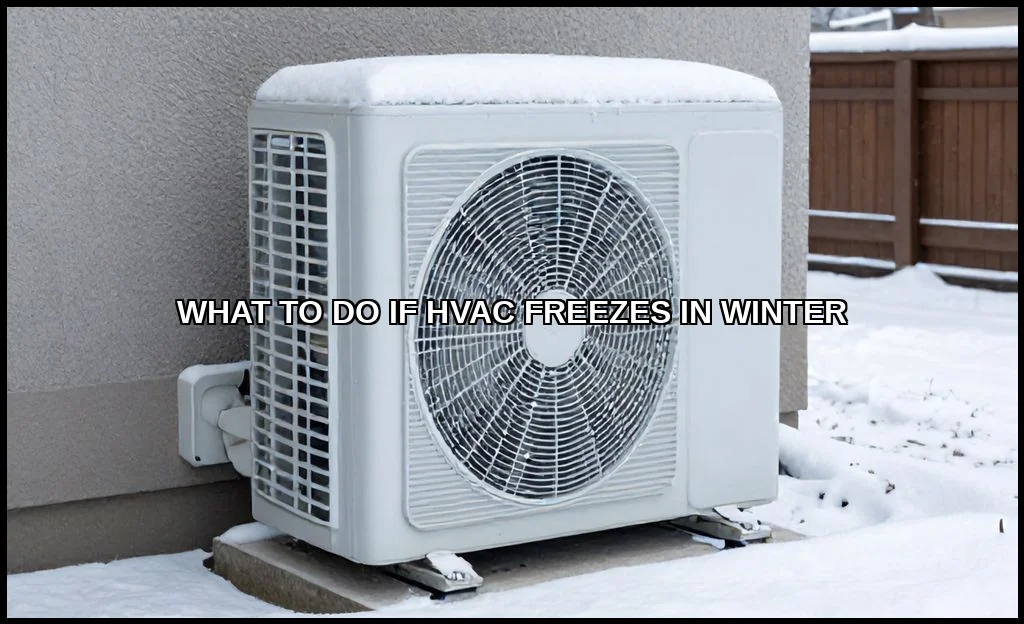
HVAC Frozen in Winter? Immediate Steps to Take
You wake up on a cold winter morning and hear an odd sound from your HVAC system. It's…
