

Modern heaters work by moving heat a little more intelligently, using tighter cabinets, better airflow paths, smarter controls, or radiant panels that suit a smaller zone. In practice, that can mean quieter operation, less floor clutter, and a room that feels warm sooner.
Style still has to clear the basic math. A 1,500 W plug-in heater draws about 12.5 A on a 120 V circuit, so it belongs on a dedicated wall outlet with no extension cord or strip, and the room size has to match the heater type.
Modern Heater Design: Where Style Meets Warmth
Modern heater design means combining a compact form, useful controls, and a finish that belongs in the room instead of looking like an appliance left behind by accident. Modern heating design covers radiant or infrared units for direct warmth, fan-forced heaters for quicker air mixing, and wall-mounted panels or radiators that save floor space.
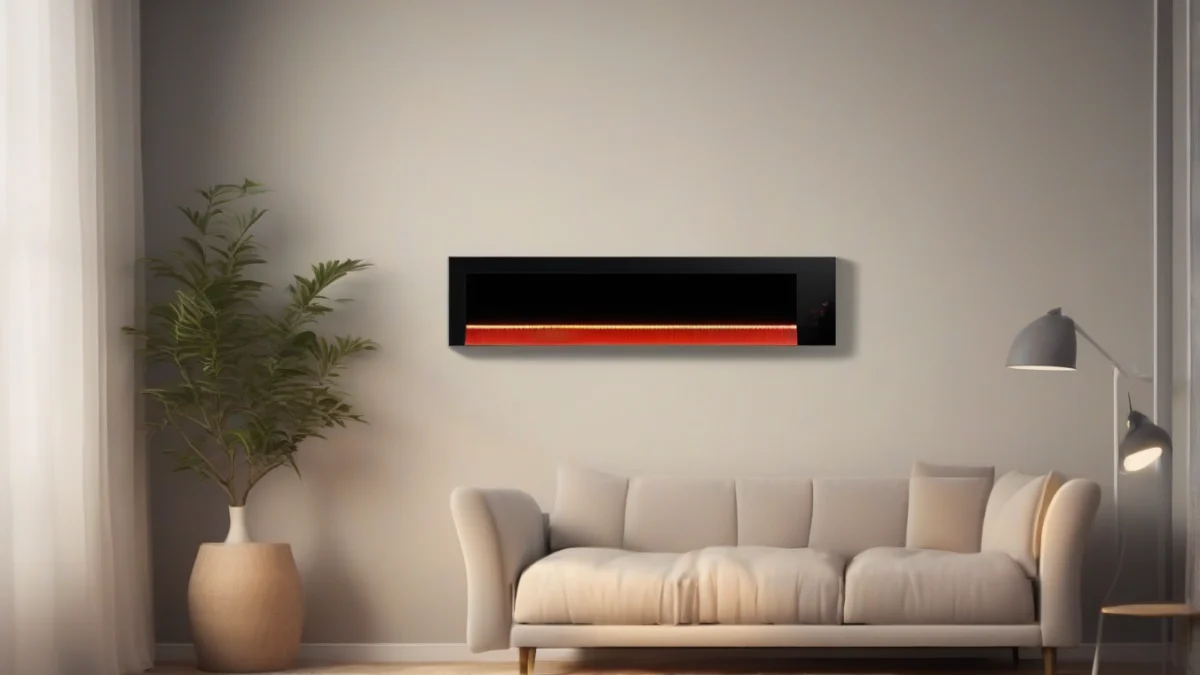
The right design depends on how you use the room: infrared suits a person or seating area, fan-forced heat suits a small room that needs fast temperature changes, and a wall-mounted panel or radiator suits a room where floor space matters. A pretty cabinet still contains a heating element, fan, or fluid-filled core, so the electrical input and heat output remain the numbers that matter.
| Heater type | Style fit | Comfort feel | Room use | Efficiency expectation |
|---|---|---|---|---|
| Radiant or infrared | Minimal, ceiling-mounted, or slim wall-mounted designs | Direct warmth on people and nearby objects | Seating areas, desks, and spot heating | Uses electricity at the heater; comfort depends strongly on what the beam reaches |
| Fan-forced electric | Compact portable cabinets and contemporary tower forms | Fast air movement and quicker mixing | Bedrooms, offices, and small living areas | Electric resistance heat converts the input to heat at the unit; the fan changes circulation, not the basic wattage |
| Wall-mounted panel | Flat, quiet, and easy to keep off the floor | Gentle, steady background warmth | Bedrooms, hallways, and rooms with limited floor space | Electricity use follows the panel’s wattage and run time; mounting doesn’t make the heat free |
| Oil-filled radiator | Traditional radiator shape with updated controls | Slow start, steady warmth, and residual heat after cycling off | Bedrooms, offices, and longer heating periods | Electric resistance heat remains the main cost; stored heat can smooth cycling but doesn’t erase energy use |

Check Running Costs Before You Chase the Look
For plug-in resistance heaters, the most energy-efficient electric heaters all use roughly the same electricity for the same heat output; smart design saves energy by controlling when and where that heat runs. A 1,500 W heater turns electricity into heat efficiently at the point of use, but a sleek grille doesn’t change the wattage printed on its label.
Check the bill with watts ÷ 1,000 × hours × price per kWh. At an assumed rate of $0.17 per kWh, 1,500 W for 8 hours is 1.5 × 8 × $0.17; the cost block shows the nightly and monthly totals without hiding the assumptions.
| Heater | Watts | Per hour | Per day (8 h) | Per month (30 days) |
|---|---|---|---|---|
| 1,500 W electric heater | 1,500 W | 26¢ | $2.04 | $61.20 |
A thermostat, timer, or occupancy sensor can keep the heater from warming an empty room or holding 75°F after you leave. That is how how smart design boosts modern heater efficiency helps: it cuts wasted run time, while the heating element still uses its rated power whenever it is on.
A smaller radiant heater can feel efficient in a desk area, reading chair, or other limited zone because infrared energy warms nearby people and surfaces directly instead of heating every cubic foot of air. It won’t replace whole-room heat in a drafty space, but it may let you lower the central thermostat while you occupy one spot.
If you want to compare wattage, cycling, and heat delivered before buying, see our guide to most energy-efficient electric heaters. Keep the heater on a wall outlet with the manufacturer’s clearance around it; convenience is a poor trade for a warm plug or overloaded circuit.
Choose the Right Style for the Room
Modern wall heater design works best when the wall, outlet, furniture, and sight line were considered before the heater was chosen; a good-looking unit in the wrong place still blocks a walkway and heats the least useful corner. Room size matters, but floor space, noise, and how often you see the heater matter almost as much.
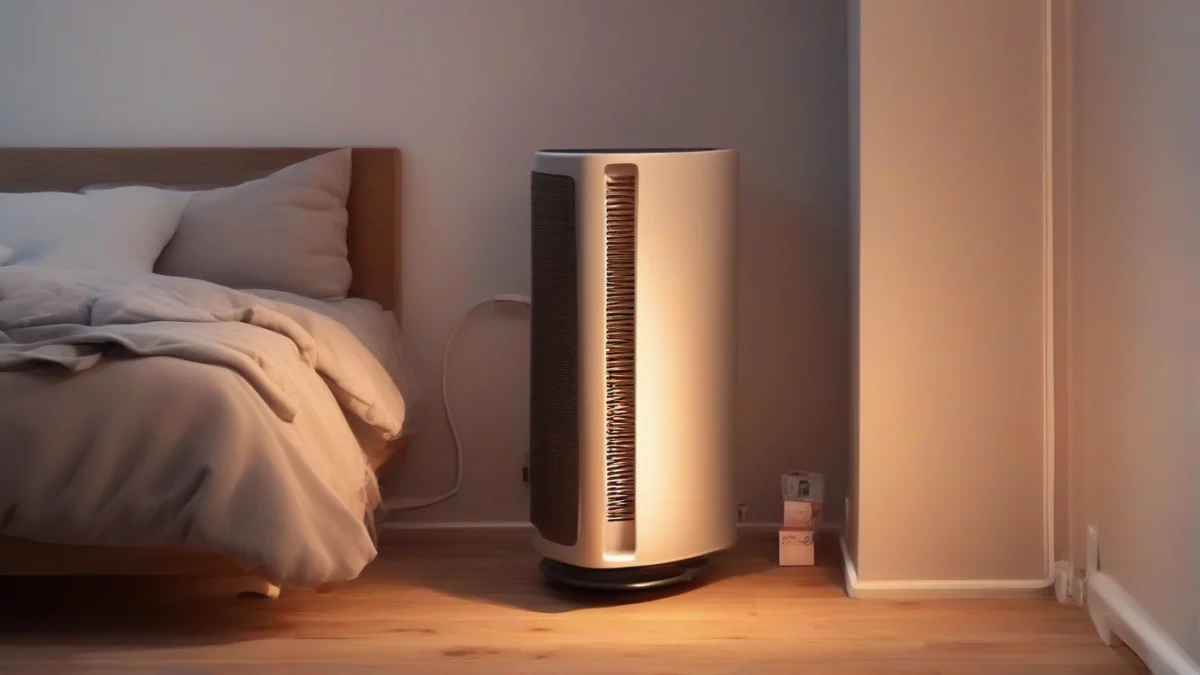
| Style | Where It Fits | Watch For |
|---|---|---|
| Wall-mounted panel | Bedrooms, offices, and rooms where floor space is tight | Mounting height, clearance, outlet access, and a listing suitable for the installation |
| Slim tower heater | Living rooms, offices, and temporary zone heating | Tip-over protection, fan noise, and the space needed around the base |
| Oil-filled radiator | Bedrooms and quiet offices where steady, gentle heat matters | Slow warm-up, a large floor footprint, and hot surfaces |
| Decorative fireplace-style unit | Living rooms where appearance and a visible focal point matter | Limited placement options, fan noise on some models, and output sized for the room |
Bedrooms usually favor quiet oil-filled radiators or low-profile panels, while offices benefit from a compact panel or tower that leaves your knees and desk clear. Open living rooms need a heater placed where warm air or radiant heat can reach the occupied area; a decorative fireplace unit may look right but can disappoint if its output is too small.
Bathrooms are a separate job: use only a heater specifically listed for bathroom or damp-location use, install or place it exactly as its instructions require, and keep ordinary portable heaters away from water. A model that works safely in a dry living room doesn’t earn a bathroom pass because it has a nice finish.
For a bathroom-specific comparison, start with a unit designed for that room rather than adapting a living-room heater; our bathroom heater light fan guide covers the placement and function differences that matter there.
Pick Materials And Controls That Age Well
Common materials in modern heater design efficiency matter mainly through durability and heat delivery, not magic: a metal cabinet, tight grille, and solid feet usually survive daily handling better than a thin decorative shell. Metal also feels less flimsy when you move the heater, while a close-spaced grille helps keep fingers away from the heating area and protects internal parts from casual bumps.
Modern heating design gets easier to live with when the controls match your habits. Touch controls, a digital thermostat, a remote, and a timer can make daily adjustments convenient, especially when the heater sits across the room. Simple knobs often win for long-term use because you can see and feel the setting, and there is less menu hunting when the room turns cold.
Recycled metal, lower-odor coatings, and other eco-conscious finishes can be worthwhile design choices, but they don’t change the energy arithmetic. A 1,500-watt resistance heater still uses 1.5 kilowatt-hours for every hour it runs at full output, regardless of whether its paint is new or recycled.
For a closer look at how cabinet choices and heating parts affect real use, see common materials in modern heater design efficiency.
Buy the Heater Only If the Design Fits the Job
Modern heater design is a good reason to choose a portable unit only when the heater’s job is temporary or room-specific; modern wall heater design makes more sense when you want a fixed, cleaner-looking installation and are prepared for the required electrical work. For bedrooms, home offices, and other small to medium spaces where a visible heater is acceptable, Product 1 gives the appliance an intentional vintage-metal look instead of pretending to be furniture.
Product 1 has two heat settings, a mechanical thermostat, tip-over protection, and a 2-stage auto-shutoff. Its tight grille spirals and whole-room heat circulation add useful function behind the retro cabinet, so the design earns its floor space rather than serving as a shiny sculpture with a cord.
Skip Product 1 if you need concealed heating, permanent wall placement, or a unit for a bathroom or other location requiring a specialized heater. Its vintage styling is useful only when the portable format fits the room and the job.
Run a Final Check Before You Buy Or Power Up
Modern heater design, including modern wall heater design, only works when the unit fits the room, circuit, clearance, and fuel requirements; check those basics before admiring the finish.
More Questions, Answered
What Is a Modern Heater Design?
What Is the Most Efficient Modern Heater Design for a Bedroom?
How Do I Compare a Modern Wall Heater Design With a Portable Heater?
Can a Solar Water Heater Modern Design Save Money in Winter?

I am a mechanical engineer and love doing research on different home and outdoor heating options. When I am not working, I love spending time with my family and friends. I also enjoy blogging about my findings and helping others to find the best heating options for their needs.
Related guides

15 Modern Heater Design Tips for Stylish Home Integration
To seamlessly incorporate a modern heater into your interior, choose a design that complements your decor, ensuring it…
How To Choose A Modern Heater: Style Meets Efficiency
To choose a modern designed heater, consider factors like energy efficiency, size, style, features, and the heating capacity…
Modern Heater Textures: Elevating Style & Function
Modern heaters incorporate diverse textures, such as sleek metals and warm woods, enhancing aesthetic appeal while ensuring efficient…
