

Say your house needs 3.5 kW of heating or cooling and the system runs 2,000 hours a year. If dirt adds even a 15% penalty, that is 3.5 × 2,000 × 0.15 = 1,050 kWh of wasted energy before you count worn parts or comfort complaints.
The fix usually starts with the filter, then the coil, then the blower, then the ducts. Miss the airflow restriction and the thermostat keeps calling for more run time, which is how a small maintenance problem turns into a larger utility bill.
How Dirty HVAC Systems Destroy Efficiency & Increase Costs
Dirty HVAC systems cut efficiency by raising resistance to airflow, which makes your equipment run longer to hit the thermostat setpoint. That extra runtime wastes energy, drives up bills, and stresses the system’s components.
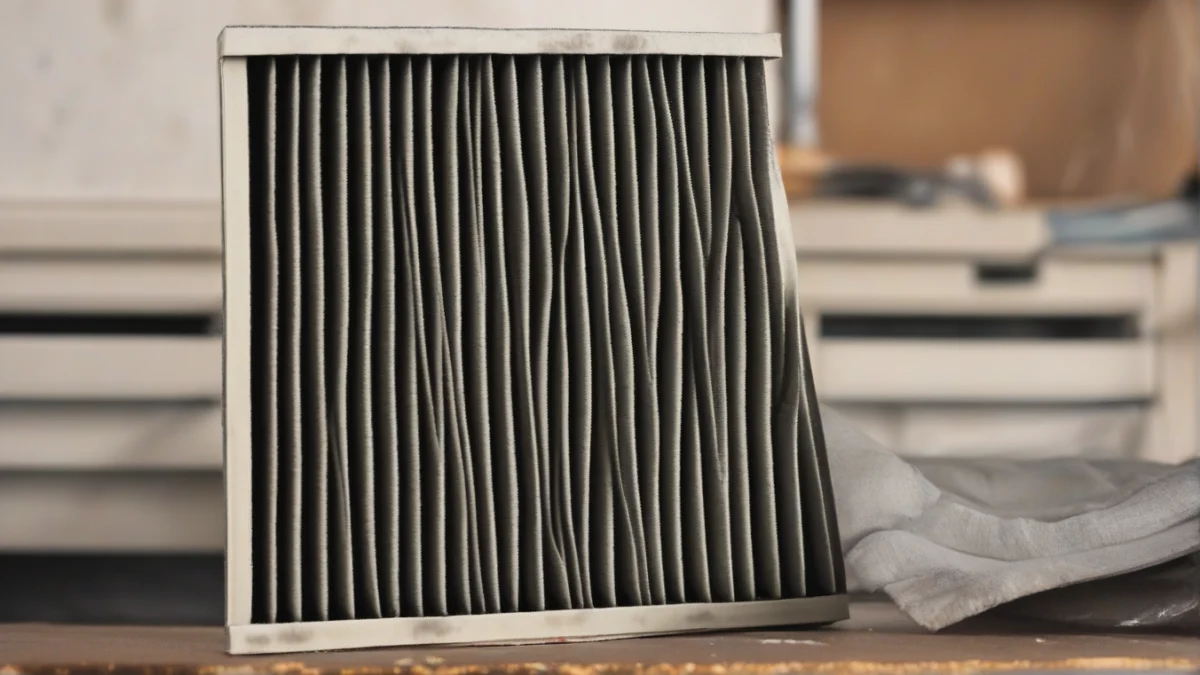
Energy efficient HVAC systems rely on smooth airflow through clean filters, coils, and blowers. When dirt builds up, static pressure climbs and airflow drops, forcing the blower motor to work harder and the heat exchanger or coil to run longer. A high efficiency HVAC system loses its edge when clogged parts restrict air movement.
| Component | Effect on Airflow | Impact on Comfort | Effect on Energy Bills |
|---|---|---|---|
| Dirty Filter | Blocks airflow, raising static pressure | Rooms feel uneven; reduced heating/cooling | Energy use can rise 5-15% due to longer runtimes |
| Dirty Coil | Cuts heat transfer, lowers airflow | Longer cycles; less effective temperature control | Bills increase as system works harder |
| Dirty Blower | Less air moved per watt, noisy operation | Reduced airflow and uneven temps | Higher electricity consumption |
| Leaky Ducts | Air lost before reaching rooms | Cold/hot spots, drafts | Wasted energy heats/cools unoccupied spaces |
Measure The Losses Before You Guess
Temperature control in HVAC systems starts with the thermostat, which tells the system when to run and when to stop based on your setpoint. But if airflow is restricted, the system struggles to reach that setpoint, making it seem like a thermostat problem when it’s really mechanical.
Your home’s HVAC settings must balance comfort and efficiency. Setting the thermostat a few degrees higher or lower can change energy use significantly. For example, turning your heat up by 4°F could increase fuel consumption enough to mask an airflow issue that’s actually costing more.
Airflow starts with return air coming into the system and ends at the supply registers pushing conditioned air into rooms. Blocked or dirty filters, clogged coils, or failing blowers increase static pressure — the resistance the air meets inside ducts and equipment — making your system work harder and noisier.
Fix The Parts That Create Resistance

Dirty HVAC filters do more harm than just trapping dust—they raise resistance to airflow, which strains your system and hikes your energy bills. They protect the equipment by catching large particles but don’t clean the evaporator coil or the ductwork, where dirt can still build up and reduce efficiency.
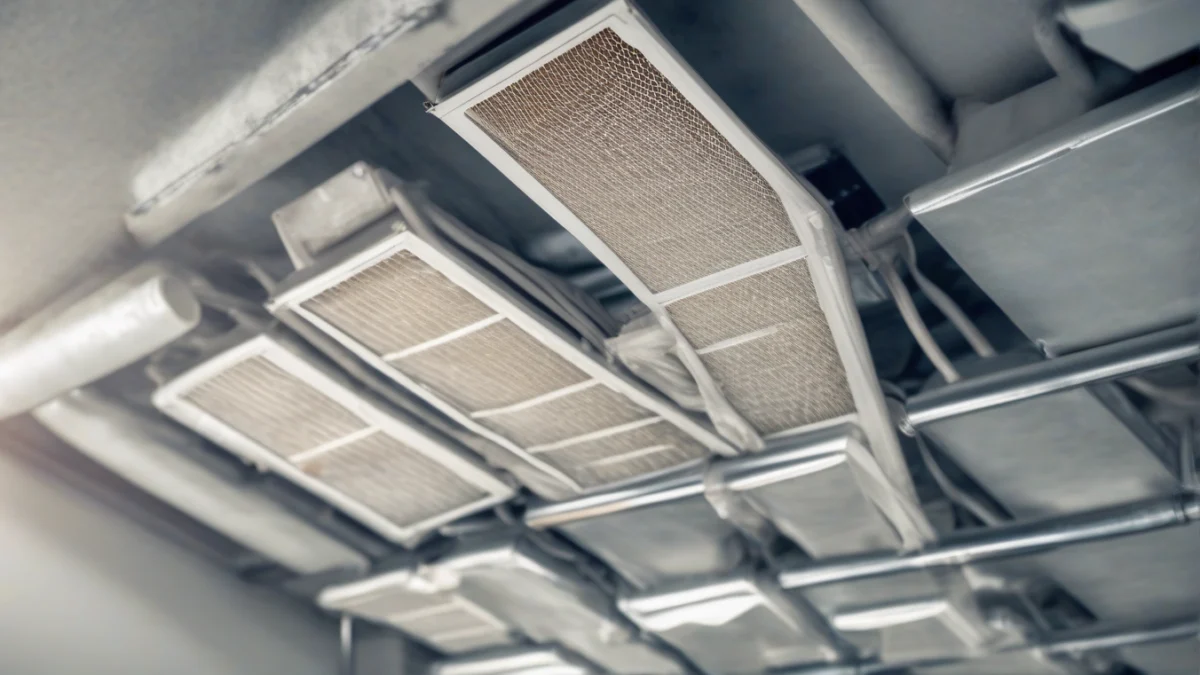
Start your repair and maintenance work with the filter. Replace it regularly, or clean it if the model allows. A clogged filter not only forces your blower to work harder but also lets dirt through to the coils and ducts.
Next, clean the evaporator or condenser coil, depending on whether you have an air conditioner or heat pump. Dirt on the coil restricts heat transfer, making your system run longer. A dirty coil can mimic the symptoms of low refrigerant charge, so topping off refrigerant before cleaning risks masking the real problem and wasting fuel.
After coils, the blower wheel needs cleaning. Dust buildup here reduces airflow and can unbalance the fan, causing vibration and noise. Cleaning the blower ensures the motor runs efficiently and delivers proper airflow.
Finally, inspect the ducts. Dirt reduces airflow and can promote mold growth, but cleaning effectiveness varies by duct material. Fiberglass-lined ducts often trap dirt deep in the fibers and may need replacement rather than cleaning. Metal ducts clean easier and respond better to standard duct cleaning methods.
Compare Duct Types And Repair Tradeoffs
Duct materials affect dirt buildup, airflow resistance, and repair options. Understanding these differences helps you prioritize maintenance and decide on repairs.
| Duct Type | Dirt Behavior | Cleaning Difficulty | Common Failures |
|---|---|---|---|
| Flex Duct | Traps dust in creases, sags collect dirt | Moderate: flexible but must be handled carefully | Sagging and leaks at joints |
| Rigid Metal Duct | Dirt settles on smooth surfaces | Easier: smooth surfaces clean well | Leaks at seams and joints |
| Fiberglass-lined Duct | Fibers trap dirt deep inside | Difficult: cleaning can damage lining | Deterioration of lining, hard to clean |
Sagging flex-duct and leaky joints can waste as much or more conditioned air as a dirty filter does. This means even the cleanest filter won’t help if your air leaks out before reaching the room.
Rooftop or outdoor HVAC units still rely on clean air paths to maintain efficiency. Dirt on coils or ducts outside your home reduces performance just as much as indoor dirt does. Location doesn’t exempt equipment from maintenance.
Know When Efficiency Points To A Bigger Problem
A heat pump is a specific type of HVAC equipment that moves heat in or out of your home, working as both heater and air conditioner. The HVAC system includes this equipment plus the ducts, thermostat, and blower that distribute conditioned air. Knowing the difference helps you spot when an efficiency issue is more than just dirt.
If your system runs constantly even after cleaning or replacing the filter, that suggests a bigger problem like undersized equipment or refrigerant issues. Icing on the coils that comes back after defrost cycles or burners shutting off on their high-limit switch are other warning signs. Large temperature differences from room to room can point to duct leaks or poor blower performance.
A practical rule: dirt is usually the first cause of poor airflow, but if fixing the airflow path doesn’t restore normal cycling, check system sizing, refrigerant charge, control board function, or blower motor condition. These often require a professional diagnosis.
The most efficient residential heating system depends on your local climate, fuel costs, and how well your home holds heat. Dirt on coils or filters adds to costs but is only one part of the equation. For instance, a well-sealed home with a cheap fuel source might favor a furnace, while a milder climate might make a heat pump the most economical choice.
Do These Repairs In Order
DIY fixes usually cover filters, grilles, and basic coil cleaning. Avoid working on sealed refrigerant circuits, gas burners, or electrical components yourself. These require licensed HVAC technicians for safety and code compliance.
After any repair, run your system normally for several days. Watch runtime and temperature balance across rooms. This helps confirm if the problem is resolved or if further attention is needed.
Frequently Asked Questions
How much can a dirty HVAC filter raise my energy bill?
Why does my HVAC system run longer after I change the thermostat?
Can dirty coils make my air conditioner act low on refrigerant?
What is the difference between HVAC and a heat pump?
Which HVAC problem should I fix first: filter, coil, blower, or ducts?

HeaterGuides covers home heating, water heating and HVAC: how the equipment works, what it costs to run, and how to use it safely.
