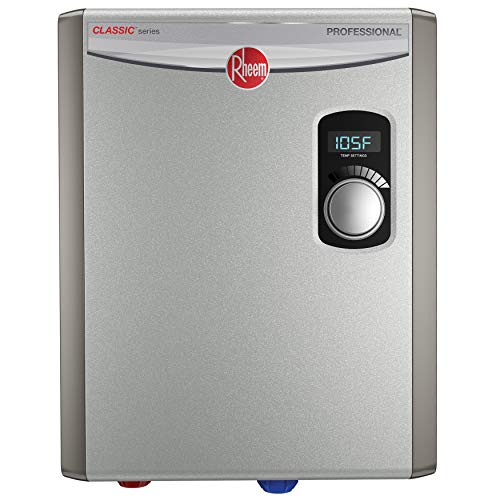
Say your Rheem heater went out overnight and the shower is already cold. If the pilot keeps dropping out, the fix may be a dirty pilot orifice, a weak thermocouple, or air in the gas line after service.
Older standing-pilot models, intermittent pilot systems, and hot surface ignition units do not all restart the same way. Get the ignition type wrong and you can waste time, or worse, keep clicking a control that wants a reset instead of a match.
How To Set The Pilot Light On A Rheem Water Heater
Turn the gas control knob to the PILOT position. Press and hold the pilot button while you ignite the flame using the piezo igniter or another safe method. Keep holding the pilot button for 30 to 60 seconds to allow the thermocouple to warm up. When the pilot light stays on without pressure, turn the knob to ON. The main burner will then operate when the thermostat calls for heat.
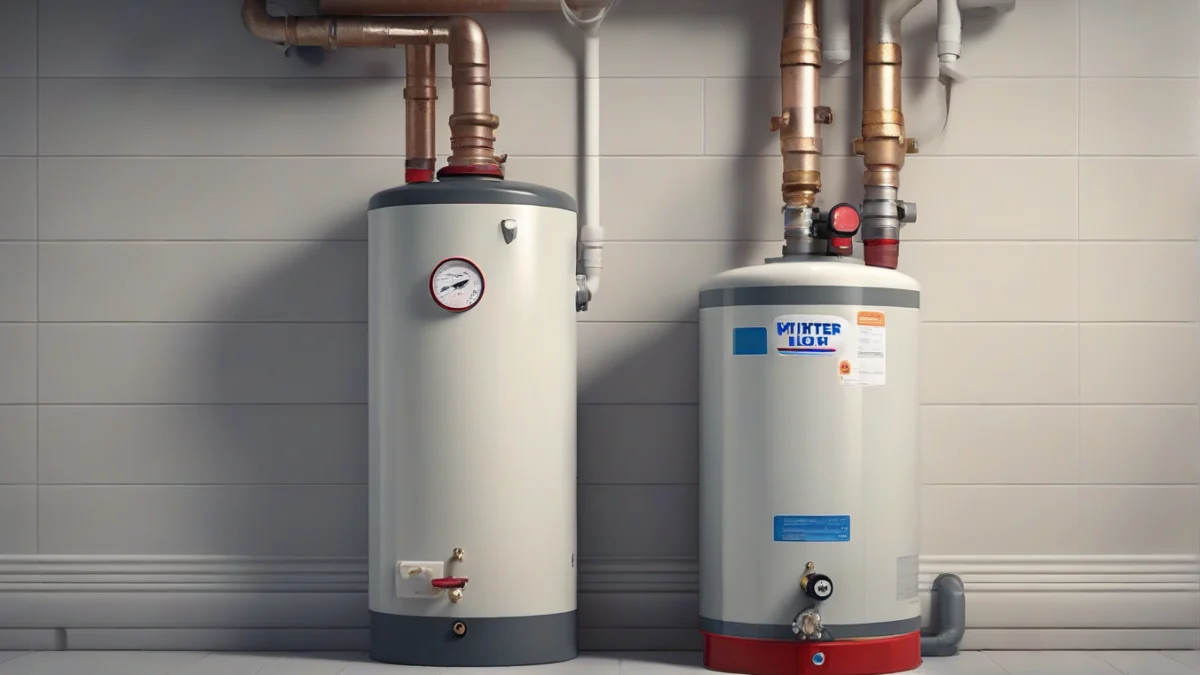
Most Rheem gas water heaters made after 2003 use a piezo igniter instead of a match. You’ll see a red igniter button near the gas control knob on the front of the burner access door. Older models may require lighting the pilot with a long match or lighter held near the pilot tube while you press the pilot button, but check the label on the burner door first—it shows the exact method for your model.
A standing pilot like the one in most Rheem tank heaters burns continuously, even when the main burner is off. That small flame uses about 600 to 900 BTU per hour—roughly $5 to $8 a month in natural gas at typical rates—but it lets the burner respond instantly when you need hot water. Electric water heaters skip the pilot altogether and heat with elements controlled by a thermostat.
| Ignition Type | How It Works | Found In |
|---|---|---|
| Standing pilot | Pilot burns all the time; thermocouple holds gas valve open | Most Rheem tank water heaters |
| Intermittent pilot | Spark lights pilot only during heat cycle; pilot shuts off after | Some Rheem furnaces and newer models |
| Hot surface ignitor | Electric element glows and lights burner directly; no pilot at all | High-efficiency furnaces and some tankless units |
What The Flame And Sensors Should Look Like
A healthy pilot flame is mostly blue, steady, and wraps around the tip of the thermocouple probe. Yellow or orange in the flame usually means a dirty pilot orifice or incomplete combustion—air and gas aren’t mixing right, and that can foul the thermocouple or drop out the pilot.
Look through the pilot viewing window at the base of the burner assembly. The flame should stand about half an inch tall and hold a consistent shape. A lazy, dancing flame that lifts off the pilot tube or flickers constantly points to a draft problem or low gas pressure. If the flame is all yellow, shut the heater down and clean the pilot orifice before relighting.
The thermocouple is a slender metal probe that sits in the pilot flame. It generates a small voltage when heated—about 25 to 35 millivolts—and that signal tells the gas valve it’s safe to stay open. On some Rheem models you’ll see a thermopile instead, which is a stack of thermocouples that produces more voltage to power an electronic gas valve or control board. Both look like thin copper or steel rods running from the pilot assembly to the valve.
Flame sensors on electronic ignition models are similar—a metal rod that proves flame presence by detecting ionization current. You won’t see a continuous pilot on those systems; the spark module lights the pilot or burner directly when needed, then shuts off the gas after the heating cycle. A dirty flame sensor causes the same symptom as a fouled thermocouple: the burner lights, then shuts down after a few seconds.
| What You See | What It Means | Next Step |
|---|---|---|
| Blue flame, steady | Pilot is working correctly | Turn knob to ON and check burner operation |
| Yellow or orange flame | Dirty pilot orifice or poor combustion | Clean the orifice and check air intake |
| Flame lifts off or flickers | Draft or low gas pressure | Check for nearby vents or gas supply valve position |
| No flame, but gas hisses | Igniter failed or pilot tube blocked | Retry ignition or clear the pilot tube |

Why The Pilot Stays Lit Or Drops Out
The thermocouple must stay hot enough to generate about 25 to 35 millivolts, which holds the gas valve open. When the pilot flame heats the thermocouple tip, it creates a small voltage that signals the safety circuit to keep gas flowing. If the pilot lights but dies as soon as you release the button, the thermocouple isn’t producing enough voltage—usually because it’s failing, positioned outside the flame, or not getting hot enough before you let go.
A dirty pilot orifice restricts the flame to a weak flicker that can’t heat the thermocouple properly. Weak gas supply—from a partially closed manual shutoff or low line pressure—does the same. Air in the gas line after service or tank replacement will cause sputtering until it clears. Check that the thermocouple connection at the gas control valve is snug; a loose fitting interrupts the circuit even when the flame looks fine.
| Symptom | Likely cause | Next check |
|---|---|---|
| Pilot dies when button released | Thermocouple weak or misaligned | Hold longer, inspect position, replace thermocouple |
| Flame yellow or flickering | Dirty pilot orifice | Clean orifice, check combustion air |
| Pilot won’t light at all | Air in line or no gas flow | Bleed line, confirm supply valve open |
| Flame lights then sputters out | Loose thermocouple connection | Tighten connection at gas valve |
When The Burner Will Not Come On
A pilot that stays lit but never fires the main burner points to the gas control valve, flame sensor, or electronic ignition controller—not the pilot circuit. The thermocouple proves the pilot is working, but the burner needs a separate signal from the thermostat or aquastat to open the main gas valve. If that signal doesn’t arrive or the valve doesn’t respond, the burner stays cold.
Intermittent pilot ignition systems don’t keep a standing flame. They spark only during a heat call, lighting a pilot that then lights the burner. Hot surface ignitor systems skip the pilot altogether and heat a ceramic element until it glows and ignites the burner directly. If you see a glowing orange element but no flame, the burner orifices may be blocked or the gas supply interrupted. If neither spark nor glow happens, check that power reaches the control board and that any safety switches—reset button, flame rollout, high-limit—haven’t tripped.
Repair Or Replace The Ignition Parts
Replacing a thermocouple or pilot assembly makes sense when cleaning the orifice and relighting don’t solve the problem, but only after you’ve confirmed which part failed and whether your model uses a standing pilot or electronic ignition. Matching the ignition type matters more than guessing from the control knob; a label on the heater or furnace names the system, and buying the wrong part wastes time and a return trip.
Gas valve problems and repeated flame-out issues are service calls, not kitchen-table fixes. When a new thermocouple still won’t hold the pilot or the valve clicks but won’t open, the gas control valve itself has likely failed, and most jurisdictions require a licensed plumber or gas fitter to replace it. Intermittent pilot and hot surface ignitor systems use electronic boards and sensors that need proper voltage checks and grounding; diagnosing those without a multimeter and the wiring diagram usually leads to more parts bought than needed.
What To Do Next
Standing pilot and no gas smell: follow the label on the heater, hold the button for the full minute, and check that the flame wraps around the thermocouple tip. Yellow or flickering flame means clean the pilot orifice and check combustion air. Pilot lights but drops when you release the button: replace the thermocouple. Pilot stays lit but the main burner won’t fire: check the gas control valve, reset button, and temperature dial before calling for service. Electronic ignition systems that spark but won’t light, or that fault out after a few tries, need a technician with a meter and the service manual.
Questions People Ask
How long should I hold the pilot button when relighting a Rheem water heater?
What does a yellow pilot flame mean on a Rheem heater?
Can I bypass a faulty thermocouple safely?
Why does the pilot light go out immediately after I release the button?

HeaterGuides covers home heating, water heating and HVAC: how the equipment works, what it costs to run, and how to use it safely.