Infrared Heating Pad Use: Safe Setup In 5 To 10 Minutes
On this page 7 sections
The most common mistake is cranking the pad to high and leaving it on too long. That usually buys you skin irritation, a sore back that feels no better, and an electric bill you did not need to spend.
A second mistake is using heat on the wrong problem. If the area is swollen, red, hot, or freshly injured, heat can make the swelling worse. Cold first, heat later is the safer rule for a lot of those cases.
Infrared Heating And How It Works
Infrared heating is invisible radiant heat that warms your skin and nearby tissue directly, not by heating the air around you. It works by sending out infrared radiation, a form of energy that your body absorbs as warmth, making the area feel cozy without a hot surface or blowing warm air.
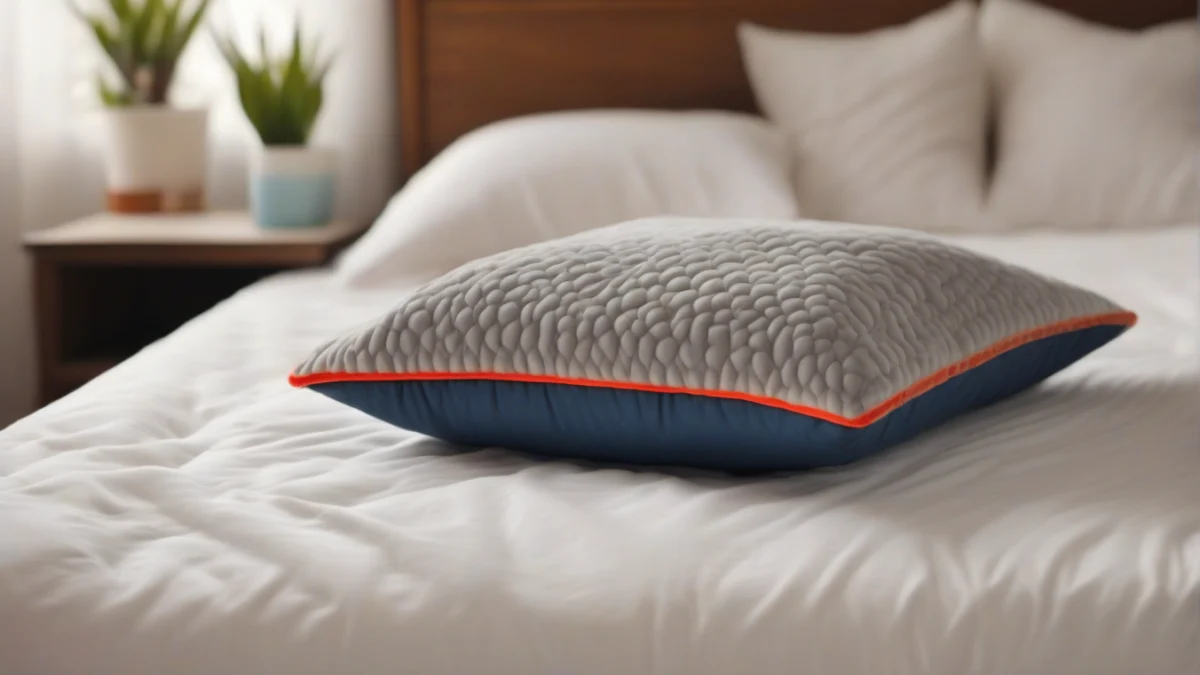
Infrared radiation heating works like the warmth you feel from sunlight through a window on a chilly day. The heating pad emits this radiation, which penetrates the surface of your skin and gently warms the tissues underneath. Your body then retains that heat for a while, helping ease stiffness and soreness. For more on moist heating pads.
The physics is straightforward: the pad sends heat outward through radiation, so actual contact or close proximity matters more than the temperature of the surrounding air. A pad lying flat on your skin delivers more effective warmth than air warmed by a space heater. This direct transfer is why infrared heating technology is popular in heating pads designed for targeted relief.
Some pads use far infrared technology, which spreads heat over a broader area and feels gentler on the skin. Despite sounding high-tech, far infrared pads are still heat sources and require the same caution to avoid burns or overheating. They don’t penetrate deeper than other heat but can provide a more comfortable sensation over time.
While an infrared heating pad can help reduce muscle stiffness and soothe soreness temporarily, it does not treat underlying medical issues. Heat improves blood flow and relaxes muscles, but persistent or severe pain should be evaluated by a healthcare professional.
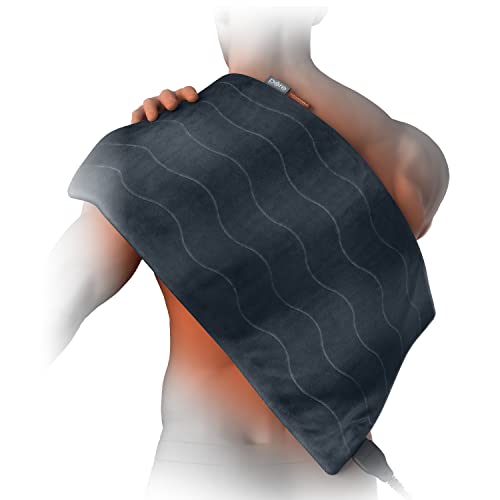
How To Use An Infrared Heating Pad Safely

Infrared heating pads are safe when you follow basic precautions, but they’re not risk-free. Their infrared heat penetrates skin and muscle, which means you need to respect both the device and your body’s signals.
You shouldn’t use an infrared heating pad if you have metal implants in the area. Metal reflects heat differently and could cause uneven heating or burns. This makes the pad unsafe for people with joint replacements or metal pins near the treatment site.
People with pacemakers or implanted electronic devices should check with their doctor before using an infrared heating pad. Infrared heat might interfere with these devices or mask early signs of a problem. Similarly, if you have reduced skin feeling or poor circulation, a clinician’s guidance is essential because you might not notice a burn starting.
Common Mistakes That Cause Burns Or Damage
Lying your full body weight on an infrared heating pad can trap heat and create dangerous hot spots, which may cause burns. The pad isn’t designed to handle that kind of pressure, and heat can build unevenly where your body presses down.
Damaged parts are a red flag. A cracked pad cover, a damaged power cord, or a loose controller connection should never be patched up with tape or used a little longer. These issues risk electric shock or fire and mean it’s time to replace the pad.
Infrared heating pads can help ease soreness and improve blood flow, but they won’t cure a muscle knot that keeps coming back from posture issues, strain, or injury. For recurring knots, addressing the cause is key.
When You Need A Pro Or A Doctor
Infrared heating pads are safe for most people, but you should avoid them if you have a pacemaker or implanted medical device without consulting a doctor first. Electrical devices can interfere with these implants.
Heat can help with many aches, but it’s the wrong choice for pain from a possible fracture, a hot swollen joint, or pain accompanied by fever. Those signs need medical evaluation, not home heat therapy.
How Much Infrared Heating Costs To Run
Infrared heating pads provide targeted warmth that penetrates your skin and muscles directly, making them energy-efficient for short-term relief. Because they warm tissue, not the air, they can feel effective at lower temperatures and shorter run times compared to room heaters.
Running costs depend mainly on your pad’s power rating, how long you use it, and your local electricity price. Most infrared heating pads draw between 40 and 100 watts. To estimate cost, use this formula: watts divided by 1,000, multiplied by hours of use, multiplied by your electricity rate per kWh.
For example, a 100-watt pad used for 30 minutes costs about 0.05 kWh; at 17 cents per kWh, that’s under 1 cent per session. If you use it daily for an hour, that’s about 100 W ÷ 1,000 × 1 hour × $0.17 = 1.7 cents a day, or roughly 50 cents a month.
Longer sessions or higher heat settings raise the cost, but infrared pads remain practical for frequent use because their wattage is low. The runtime matters more than the wattage on the box; a low-watt pad left on too long can cost more than a stronger pad used briefly.
| Pad Power (W) | Use Time (min) | Cost per Session ($) |
|---|---|---|
| 40 | 30 | 0.03 |
| 100 | 30 | 0.05 |
| 100 | 60 | 0.10 |
What To Do Next For Your Situation
Infrared heating pads work by sending far infrared rays that heat your muscles and joints directly, providing relief from stiffness and pain. They’re effective for many people but only if used correctly and safely.
If you’re shopping for a heating pad, pick one like the Pure Enrichment PureRelief Pro with an auto shut-off, multiple heat settings, and a size that fits your sore area without folding. This ensures even heat and safer use.
Already have a pad? Test the lowest heat setting for about 10 minutes first. Check the power cord for damage or fraying, and always set a timer to avoid overheating or burns.
If applying heat increases swelling or pain, stop and consult a doctor instead of pushing through discomfort. Infrared therapy isn’t suitable for every condition, and medical advice is essential when symptoms worsen.