To protect temperature sensors from damage, use proper enclosures, ensure correct installation, and implement regular maintenance checks to prevent exposure to harsh conditions.
Temperature sensors are critical components in various industries, from HVAC systems to industrial processes. Protecting these delicate instruments ensures accurate readings and prevents costly downtime. This guide covers practical strategies to safeguard your sensors against common threats.

OBET
OBET Indoor Outdoor Thermometer Temperature and Humidity…
- Indoor Outdoor Thermometer with 3 Sensors: Stable signal transmission system with 3 sensors, ensuring accurate real-time readings…
- Multi-Function: 3.8*3.8*1.0 inch digital screen wireless remote thermometer clearly displays inside outside temperature humidity w…
- High Accuracy Sensor: Respond to minuscule environmental changes. Temp accuracy within +/-1.8℉, humidity accuracy within +/-5%. Ou…

Understanding Temperature Sensor Vulnerabilities
Temperature sensors face multiple hazards in different environments. Recognizing these risks is the first step in protection.
Common Causes of Sensor Damage
- Mechanical vibration and shock
- Extreme temperature fluctuations
- Chemical corrosion
- Moisture and condensation
- Electrical interference
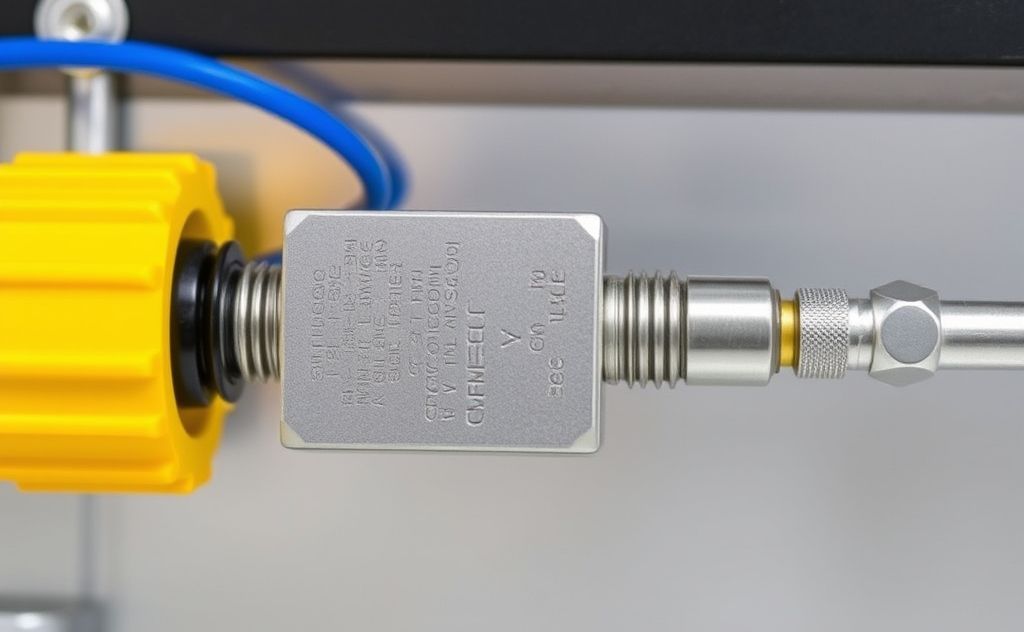
Physical Protection Methods
Protective Sheaths and Enclosures
Metal or ceramic sheaths provide excellent protection against physical damage. For harsh environments, consider specialized materials that resist corrosion and thermal stress.
Vibration Dampening Solutions
Install vibration isolators or use flexible mounting systems to reduce mechanical stress. According to RAM Sensors, vibration fatigue is a leading cause of thermocouple failure.
Environmental Protection Strategies
Temperature Extremes Management
For high-temperature applications, use heat shields or thermal barriers. In cold environments, consider heated enclosures or insulation.
Moisture and Chemical Protection
Waterproof enclosures with proper IP ratings prevent moisture damage. For chemical exposure, select chemically resistant materials like PTFE or Hastelloy.
Electrical Protection Measures
Proper Grounding Techniques
Grounding prevents static electricity buildup and electrical noise interference. Follow manufacturer guidelines for optimal grounding.
Surge Protection
Install surge protectors to safeguard against voltage spikes, especially in industrial environments with heavy machinery.
Installation Best Practices
Optimal Sensor Placement
Position sensors away from direct heat sources, moving parts, and areas prone to condensation. The right placement significantly extends sensor life.
Secure Mounting
Use appropriate mounting hardware to prevent movement while allowing for thermal expansion. For wall mounting, consider specialized brackets.
Maintenance and Monitoring
Regular Inspection Routine
Check sensors periodically for signs of wear, corrosion, or damage. Early detection prevents catastrophic failures.
Calibration Schedule
Regular calibration ensures accuracy and can reveal developing issues before they affect performance.
Specialized Protection for Specific Applications
Food and Pharmaceutical Industries
Use hygienic designs with smooth surfaces and FDA-approved materials. Glycol-filled sensors, like those from Temperature Guard, prevent sudden temperature spikes.
Outdoor and Agricultural Use

For farm applications, consider ruggedized designs that withstand dust, moisture, and UV exposure. Researchers at Emory University are developing wearable sensors for heat protection.
Advanced Protection Technologies
Smart Monitoring Systems
Implement continuous monitoring with alerts for abnormal conditions, allowing proactive maintenance.
Self-Diagnosing Sensors
Modern sensors with built-in diagnostics can detect and report potential issues before they cause failures.
By implementing these protection strategies, you can significantly extend the life of your temperature sensors and maintain measurement accuracy. Always consult with sensor manufacturers for application-specific recommendations.
Related pick: Check today's price on Amazon

HeaterGuides covers home heating, water heating and HVAC: how the equipment works, what it costs to run, and how to use it safely.