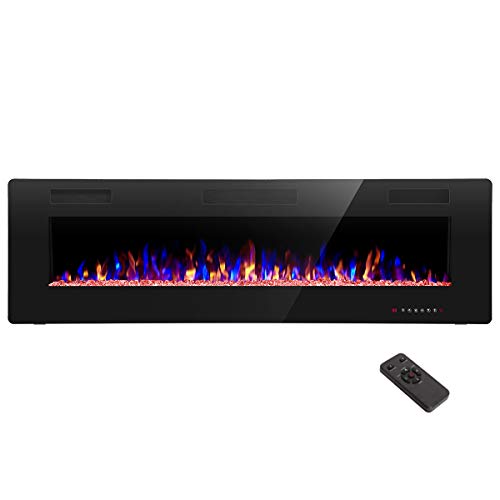
An electric fireplace is a modern marvel. It offers instant ambiance and warmth without the mess of wood or gas. It’s a plug-and-play solution for cozy evenings. But knowing how to light it properly is key to safety and enjoyment. For those seeking a popular, freestanding option, many find the duraflame Freestanding Electric fireplace to be a reliable and stylish choice that simplifies the entire process.
Unlike traditional units, there’s no real fire or fireplace pilot light to ignite. “Lighting” means activating the LED flame technology and the heating element. The process is straightforward, but a few steps ensure you get the most from your vent-free heater. Let’s walk through it.

Safety First: Precautions Before You Begin
Even though it’s electric, safety is non-negotiable. These units are designed to be safe, but user error can create risks. Always prioritize these points.
First, inspect the power cord and plug for any damage. Never use a fireplace with a frayed cord. Ensure the unit is on a stable, level surface away from foot traffic. Maintain at least three feet of clearance from any combustible materials like curtains, furniture, or bedding. This is a standard rule for all space heaters.
Plug the unit directly into a wall outlet. Avoid using extension cords or power strips, as they can overheat. The fireplace should be the only appliance on that circuit. If you’re unsure about your home’s electrical capacity, consulting an authority guide on heating safety is a smart move.
Finally, understand its purpose. An electric fireplace is a supplemental heater. It’s not designed to be a home’s primary heat source. For whole-home heating, other systems like forced air or boilers are more appropriate. Knowing the pros and cons of different heater types helps set realistic expectations.
Locating the Power Source & Controls
Before you can operate electric fireplace models, you need to find the controls. Most units have multiple points of control, offering flexibility.
The Physical Unit Controls
Start with the fireplace itself. Look for a main power switch, often on the side, bottom, or behind a front panel. This switch must be in the “ON” or “I” position for the unit to receive any power. It’s the master control. Next, find the manual control panel. This usually has buttons or dials for power, heat settings, and flame effect settings.
Remote and Wall Controls
Your electric fireplace remote is your command center. Ensure it has fresh batteries. Some models also integrate with a wall switch fireplace control, similar to a light switch. This provides a convenient way to turn the unit on and off without searching for the remote. If you’re wondering how to use electric fireplace remote control, the basic functions are typically intuitive: power, heat level, and flame adjustment.
Step-by-Step: Turning On Your Fireplace
Now for the main event. Follow this sequence to safely activate fireplace insert or freestanding model.
- Secure the Power Source: Plug the unit into a dedicated wall outlet. Flip the main power switch on the fireplace to “ON”. You might hear a faint click or see a standby light.
- Choose Your Control Method: Decide if you’ll use the manual controls on the unit or the remote control. The process is similar for both.
- Initiate the Flame Effect: Press the “Power” or “Flame” button. The LED flame technology should immediately spring to life, creating the illusion of dancing logs or embers. At this point, you have ambiance without heat.
- Activate the Heater: To add warmth, press the “Heat” or “Temperature” button. Most models offer at least two heat settings (e.g., Low/High or 750W/1500W). The fan will turn on to distribute the warm air.
That’s it. You’ve successfully learned how to turn on electric heater functionality within your fireplace. The entire process takes seconds. If nothing happens, don’t panic. We’ll cover troubleshooting next.
Customizing Heat & Flame Settings
The real joy of an electric fireplace is customization. You’re in complete control of the environment. This is where you tailor the experience.
Mastering the Flame Effect
Modern LED flame technology is incredibly realistic. You can usually adjust the flame brightness and sometimes even the color. Learning how to adjust flame brightness on electric fireplace is simple. Use the dedicated “Flame” or “Brightness” button on your remote. Cycle through the settings until you find the perfect level of glow for movie night or a romantic dinner.
Managing Temperature and Efficiency
Heat control is crucial for comfort and energy use. Use the lower setting for taking the chill out of a room. Use the high setting for quicker warmth. Many advanced models feature a thermostat control. You set a desired room temperature, and the fireplace cycles on and off to maintain it, improving efficiency. This is a standout feature in many premium units.
A common question is, is it safe to leave an electric fireplace on overnight? While they are generally safer than combustion heaters, manufacturers typically advise against it. It’s best used under supervision. For constant, safe background heat in a bedroom, a different type of radiant heater might be a better fit, though evaluating what’s good for your specific needs is always recommended.
Troubleshooting: What to Do If It Won’t Light
So you press the button and… nothing. Before you call for service, run through this checklist. The issue is often simple.
Basic Checks for a Dead Unit
If the unit is completely unresponsiveno lights, no soundsstart with power.
- Circuit Breaker: Check your home’s circuit breaker panel. The circuit the fireplace is on may have tripped. Reset it if needed.
- Outlet Test: Plug a different device (like a lamp) into the same outlet to confirm it’s working.
- Master Switch: Double-check that the physical power switch on the fireplace itself is in the “ON” position. It’s an easy step to overlook.
When the Flame Works But Heat Doesn’t
If you have flames but no warm air, the issue is isolated to the heating function. First, ensure the heat setting is turned on. It often operates independently from the flame effect. Second, check if the unit has an overheat safety sensor. If it overheated, it may have shut off automatically. Turn the unit off, unplug it for 10 minutes to let it cool completely, then try again.
Remote Control Issues
If the manual controls work but the remote doesn’t, the fix is usually simple. Replace the batteries. Also, ensure there’s a clear line of sight between the remote and the fireplace’s infrared sensor. Sunlight or other strong IR sources can sometimes interfere.
For the persistent question, why won’t my electric fireplace turn on after all these checks, the internal fuse may be blown or a component may have failed. Consult your user manual for fuse location or contact manufacturer support. Remember, these are electrical appliances. Complex internal repairs should be left to qualified technicians.
Lighting and operating your electric fireplace should be a simple, rewarding experience. Start with safety, know your controls, and follow the logical steps to ignite electric fire effects and warmth. Use the customization features to create the perfect atmosphere. And if you hit a snag, methodical troubleshooting will usually find the answer. With this knowledge, you can confidently start electric stove-style ambiance at the touch of a button, transforming your space into a cozy retreat whenever you wish.