

To interpret thermometer readings in weather forecasting, note the temperature in degrees Celsius or Fahrenheit, considering factors like humidity and wind chill for accuracy.
Understanding thermometer readings is essential for precise weather forecasting. Temperature data serves as the foundation for predicting weather patterns, from daily forecasts to severe storm warnings. This guide will help you interpret thermometer readings like a meteorologist.
GoodBaby
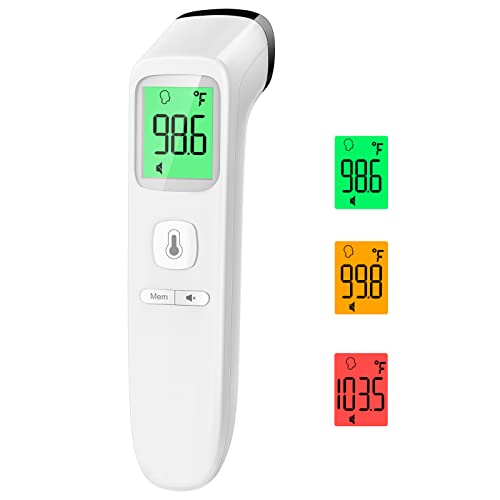
Goodbaby No-Touch Thermometer for Adults and Kid,…
- Reliable & Accurate: Goodbaby Forehead Thermometer has been clinically tested and found to be a fast and absolutely reliable gadge…
- Fast & Easy Temperatures Readings: Taking your family’s temperature with Goodbaby Forehead Thermometer is as simple as pointing, a…
- Advanced Technology for Excellent Performance: It uses reliable ABS housing materials. Ergonomically designed, the firm grip makes…
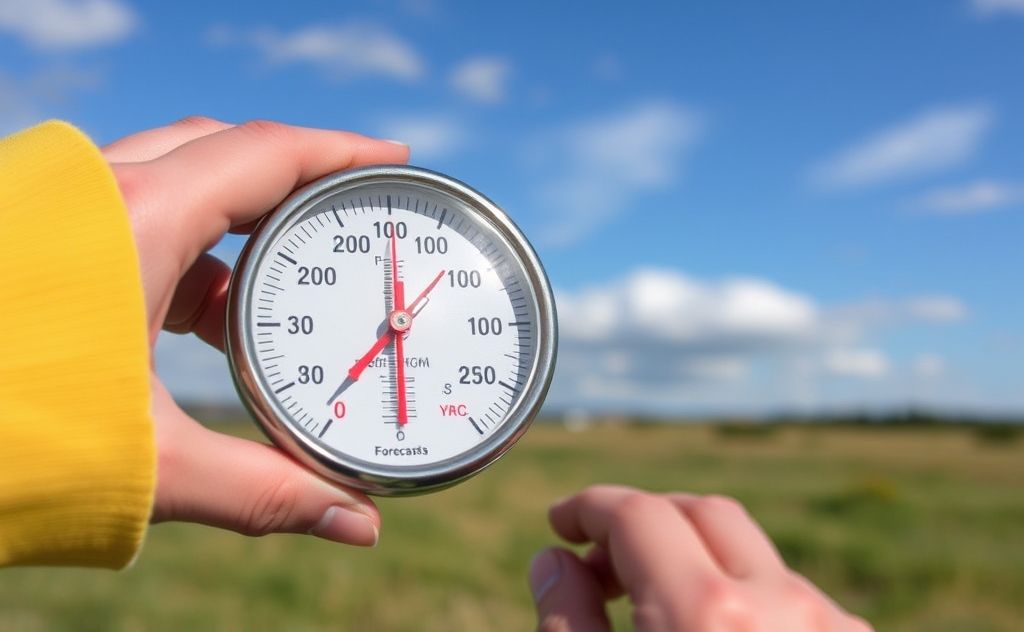
Types of Thermometers Used in Weather Forecasting
Different thermometers provide unique insights into atmospheric conditions:
- Standard thermometers – Measure ambient air temperature
- Wet bulb thermometers – Assess humidity and potential evaporation rates
- Infrared thermometers – Measure surface temperatures remotely
- Maximum-minimum thermometers – Record daily temperature extremes
Understanding Wet Bulb Globe Temperature (WBGT)
The Wet Bulb Globe Temperature is a specialized measurement that combines:
| Component | What It Measures |
|---|---|
| Wet Bulb Temperature | Humidity and evaporative cooling potential |
| Globe Temperature | Solar radiation effects |
| Dry Bulb Temperature | Standard air temperature |

Interpreting Temperature Data
Temperature Trends
Monitor these patterns in thermometer readings:
- Rising temperatures – Often indicate approaching warm fronts or high pressure systems
- Falling temperatures – May signal cold fronts or storm systems moving in
- Rapid fluctuations – Can suggest severe weather development
Temperature Extremes
Compare current readings to historical averages:
- 10°F+ above normal = Heat wave conditions
- 10°F+ below normal = Cold snap potential
- Record highs/lows = Significant weather pattern changes
Temperature in Weather Systems
Thermometer readings help identify:
- High pressure systems – Typically bring clear skies and stable temperatures
- Low pressure systems – Often cause temperature variations and precipitation
- Frontal boundaries – Marked by distinct temperature changes
For specialized heating needs in extreme weather, consider the best built-in gas heater or top indoor propane space heaters.
Advanced Temperature Interpretation
Diurnal Temperature Variation
Normal daily temperature fluctuations:
- Large swings (20°F+) – Clear skies and dry air
- Small swings (10°F or less) – Cloudy or humid conditions
Urban Heat Island Effect
City temperatures often run 2-5°F warmer than surrounding rural areas due to:
- Heat-absorbing pavement and buildings
- Reduced vegetation
- Waste heat from vehicles and HVAC systems
Practical Applications
Use thermometer readings to:
- Time outdoor activities around comfortable temperatures
- Prepare for temperature-sensitive operations
- Anticipate weather-related health risks
- Plan energy usage for heating or cooling
For more detailed weather instrument information, visit the National Weather Service guide.
Related pick: Check today's price on Amazon

I am a mechanical engineer and love doing research on different home and outdoor heating options. When I am not working, I love spending time with my family and friends. I also enjoy blogging about my findings and helping others to find the best heating options for their needs.
Related guides

How to Use a Clinical Thermometer Correctly
To use a clinical thermometer, place it under the tongue, armpit, or rectum, wait for the beep, then…
The History of Thermometers: From Galileo to Digital
You probably check your temperature without a second thought. A quick scan, a digital readout, and you have…
How to Choose the Best Thermometer for Scientific Research
To choose a thermometer for scientific research, consider accuracy, calibration range, response time, and the specific temperature conditions…
