Bradford White vs. Tankless Water Heater Comparison
On this page 6 sections
Let’s be honest. Choosing a water heater feels like a high-stakes gamble. You’re investing in a decade of hot showers, laundry, and dishwashing. Get it wrong, and you’re stuck with cold mornings and repair bills. I’ve installed, maintained, and lived with both systems in my own homes. This isn’t a spec sheet comparison. It’s my hands-on, sometimes frustrating, experience with Bradford White tank models versus the sleek promise of tankless.
Before we dive into pipes and BTU ratings, a quick tip from my own kitchen. When I’m testing recovery rates or waiting for a tank to refill, I use my Check price on Amazon. Its perfect for a fast cup of coffee without tapping into the whole house hot water system. A small luxury that makes the testing process a bit more civilized.
My Hands-On Experience with Both Systems

I ran a Bradford White gas water heater for eight years in my previous home. It was a workhorse. Last year, I retrofitted my current house with a high-efficiency condensing tankless unit. The difference wasn’t just in technologyit was in daily life. The Bradford White was predictable. The tankless system was… a learning curve. I had to rethink how I used hot water entirely.
Most reviews talk about specs. I want to talk about the feeling. The slight hum of a tankless unit firing up versus the silent standby of a tank. The space you gain in a utility closet. The mild panic during a simultaneous shower and laundry cycle. That’s the real comparison.
The Core Tech: Stored Heat vs. On-Demand
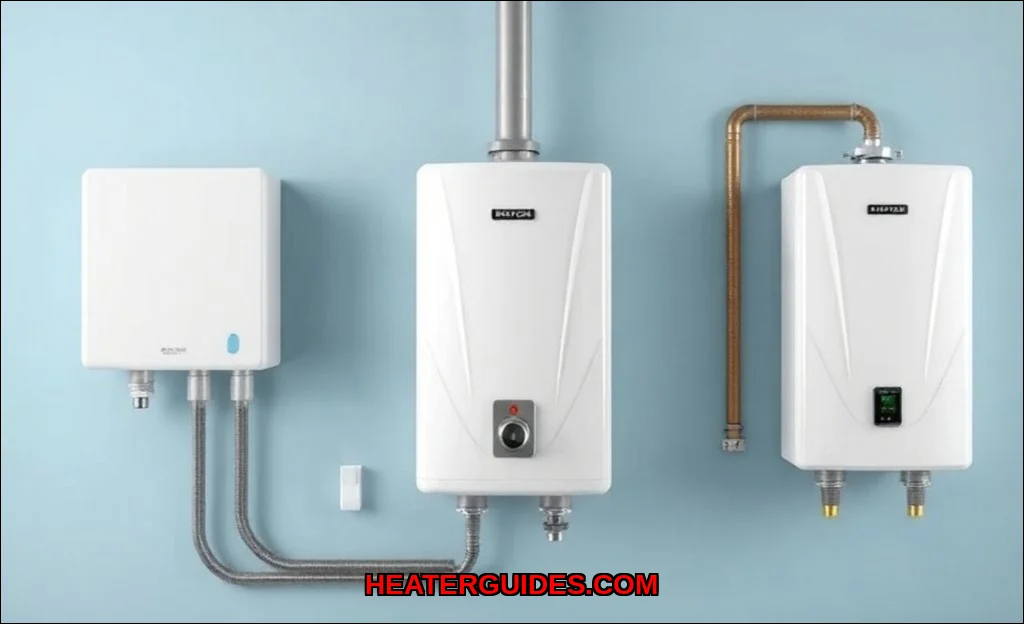
A traditional tank, like those from Bradford White, Rheem, or AO Smith, is a thermal battery. It heats and stores 40, 50, or 80 gallons, ready to go. A tankless water heater is a high-powered flash heater. It only works when you open a hot tap. This fundamental difference dictates everything: performance, cost, and your patience.
Direct Comparison: How They Actually Perform
This is where marketing meets reality. Performance isn’t just about temperature; it’s about flow and timing.
Bradford White Tank: The Steady Performer
The key metric for any tank is its first hour rating. This tells you how much hot water it can deliver in a busy hour, factoring in the tank’s stored water and its recovery rate (how fast it reheats). My 50-gallon Bradford White had a first hour rating around 70 gallons. It handled back-to-back showers beautifully. But if we drained it with a long bath, we entered a 30-40 minute recovery cooldown. You learn the rhythm.
- Pros: Consistent pressure and temperature. Simple operation. No cold-water sandwich effect (that jolt of cold water you sometimes get with tankless). Handles multiple uses well if sized correctly.
- Cons: Finite hot water. Standby heat loss (you’re paying to keep 50 gallons hot 24/7). Takes up significant floor space.
Tankless: The Demanding Sprinter
Tankless performance lives and dies by your hot water demand and the unit’s flow rate (measured in GPM). My gas unit could deliver a seemingly endless shower. The problem? Try running a shower and the kitchen faucet simultaneously. The flow is divided, and the temperature can drop unless you have a high-capacity model. Condensing technology improves efficiency here, but it adds complexity and cost.
- Pros: Essentially unlimited hot water for one outlet. Massive space savings. No standby loss.
- Cons: Struggle with simultaneous use. Requires a significant gas line or electrical upgrade. Output temperature can fluctuate with incoming water temperature.
For a large family with overlapping morning routines, a properly sized Bradford White often feels more seamless than a tankless system trying to serve two showers at once.
What Most Reviews Don’t Tell You About Installation
The sticker price is a lie. Installation can double or triple your cost, especially for tankless.
Bradford White Installation
It’s often a straightforward swap if you’re replacing a similar gas water heater or electric water heater. Same location, same connections. The real-world challenge? Moving a 300-pound tank. And ensuring proper venting. But generally, it’s a one-day job for a pro. You can find excellent guides to the best Bradford White gas water heater models to help with sizing.
Tankless Installation Reality
This is the hidden cost. My existing half-inch gas line wasn’t sufficient. I needed a three-quarter-inch line run from the meter. That meant drywall repair. Then there’s the complex venting for condensing units (PVC pipes, not metal). And a condensate drain. And a dedicated electrical outlet for the control board. The unit itself hung on the wall in minutes. The supporting infrastructure took two days and a much larger check. This is the primary driver behind the tankless water heater vs Bradford White cost comparison.
 Water Heater Owner's ToolkitFix the common faults yourself, keep it running for years, and know when a repair is money wasted.No-hot-water flowcharts, gas and electricFlush, anode, relief valve and descaling stepsRepair-or-replace calculator (Excel)
The Real Cost Breakdown Over 10 Years
Let’s move beyond the purchase price. Heres a simplified table based on my local energy costs and average usage.
| Cost Factor | Bradford White Gas Tank (50 Gal) | Mid-Range Gas Tankless |
|---|---|---|
| Unit + Basic Install | $1,200 – $1,800 | $1,000 – $1,500 |
| Infrastructure Upgrade | ~$0 (if replacing like-for-like) | $500 – $2,000+ |
| Estimated Annual Energy Cost | $280 | $195 |
| 10-Year Energy Cost | $2,800 | $1,950 |
| Typical Maintenance (10 yrs) | $400 (2 anode rods, flushing) | $600 (annual descaling) |
| Estimated 10-Year Total | $4,400 – $5,000 | $4,050 – $6,050+ |
The tankless wins on paper for energy, thanks to a higher energy factor. But that advantage can be erased by high installation costs or hard water requiring frequent descaling. The Bradford White reliability often means lower maintenance costs if you’re proactive with the anode rod.
Longevity & Maintenance: The Long Game
This is a major point for Bradford White vs tankless pros and cons.
A well-maintained Bradford White tank can last 12-15 years. The maintenance is simple: check the anode rod every few years and flush sediment annually. Their official Bradford White website has decent troubleshooting resources for common issues.
A tankless unit can last 20+ years. But it’s not maintenance-free. It’s maintenance-different. In areas with hard water, annual descaling is non-negotiable. Ignore it, and the heat exchanger clogs and fails. The maintenance frequency is higher, and the service often requires a more specialized technician.
My Final Recommendation Based on Your Situation
So, is a Bradford White water heater better than tankless? It depends entirely on your home and habits.
Choose a Bradford White Tank If:
- You have a standard gas line and want a predictable, lower-install-cost replacement.
- Your household frequently uses hot water at multiple points simultaneously.
- You prefer simpler, less frequent maintenance.
- You have the floor space and don’t mind the standby energy loss.
For a deeper dive on brand comparisons, see my thoughts on Bradford White versus Rheem water heaters.
Choose a Tankless System If:
- You have limited space (wall-mount is a game-changer).
- Your household is small or uses hot water sequentially, not simultaneously.
- You have soft water or are committed to annual descaling.
- You’re willing to pay upfront for higher efficiency and can handle the potential installation complexity.
After living with both, here’s my take. The traditional tank water heater benefits of simplicity and robust multi-use performance are hard to beat for most families. My Bradford White was relentlessly dependable. The tankless system is brilliant for my current, smaller-household lifestyle and saves precious square footage. But it demanded more from my wallet upfront and my calendar for maintenance.
Look at your gas line, your water hardness, your daily routine, and your long-term budget. Then decide. Sometimes, the tried-and-true tank is the smarter “new” technology.