

After installing your electric fireplace, an exposed cord can spoil the look and pose safety risks. Proper cord concealment keeps your fireplace area tidy, protects cords from heat damage, and prevents tripping hazards.
This guide walks you through the tools, safety precautions, and step-by-step methods to hide cords like a pro, including in-wall routing, surface raceways, and wireless options.
How to Hide Electric Fireplace Cords Like a Pro Safely

The best way to hide electric fireplace cords is by planning your cord route carefully, using paintable cord covers or surface raceways, and respecting heat clearance and electrical safety rules. Avoid extension cords inside walls, consider in-wall power kits for outlets behind the fireplace, and leave slack for servicing while minimizing visible clutter.
Start by assessing the length of your electric fireplace cord and locating the nearest outlet. If the outlet is far, you’ll need a longer route or a power relocation kit designed for in-wall use, never a standard extension cord inside walls. Measure the cord and check if you can position the outlet behind or beside the fireplace to reduce visible wiring.
Heat clearance is non-negotiable. Electric fireplaces generate heat that can damage cords or nearby electronics if they’re too close. Follow the manufacturer’s clearance guidelines and local codes to keep cords and power sources out of high-heat zones. If cords must cross near the heat source, use heat-resistant conduit or attach them only where heat exposure is minimal.
For drywall walls, paintable cord covers are the simplest solution. These plastic channels stick to the wall surface and hide cords neatly. You can paint them to match the wall color, making the cords virtually disappear. This method suits smooth walls and single cords well.
If you have textured walls or multiple cords, surface raceways offer a more robust solution. They are larger channels that can hold several cords, clips, or cable sleeves inside. Raceways come in paintable versions and can be mounted along baseboards or corners to keep cords tidy and protected.
In-wall power kits are a professional-grade option when you want an outlet directly behind the fireplace. These kits include power cables and outlet plates that meet electrical standards for in-wall use. They keep cords completely hidden and eliminate visible wires along the wall.
Always leave some slack in the cord and accessible space behind or beneath the fireplace. This makes future servicing or replacement easier without tearing out drywall or stonework. Installing an access panel or a removable mantel cable pass-through can save time and protect your walls.
Wireless remote control outlets can reduce visible cords by letting you turn the fireplace on and off without reaching behind it. They don’t eliminate cords but help minimize the number of visible wires and improve convenience.
Tools and Materials Needed to Hide Electric Fireplace Cords
You need a handful of basic tools and materials to conceal electric fireplace cords safely and neatly. Start with a measuring tape and pencil to plan your route accurately and mark cut lines.

A drywall saw or utility knife is essential for making clean openings in drywall when routing cords through walls or creating pass-throughs behind the fireplace surround.
Fish tape or a wire snake helps you pull cords through wall cavities without damaging insulation or wiring. For in-wall protection, optional conduit or smurf tube keeps cables safe and allows future cord replacement without cutting drywall again.
Cord concealer kits, including paintable covers and surface raceways, provide a quick, visible solution to hide cords along the wall surface. Use cable clips and cable organizer sleeves to bundle and secure cords neatly behind or under mantels.
An electric screwdriver or drill speeds up installing clips, raceways, or access panels. Finally, paint and primer match the concealers to your wall or surround, making cords almost invisible while maintaining fire-resistant finishes.
How to Route Electric Fireplace Cords Through Walls Safely
Routing electric fireplace cords through drywall is a clean and effective way to hide cables, but it requires care to avoid damaging your walls or creating hazards.
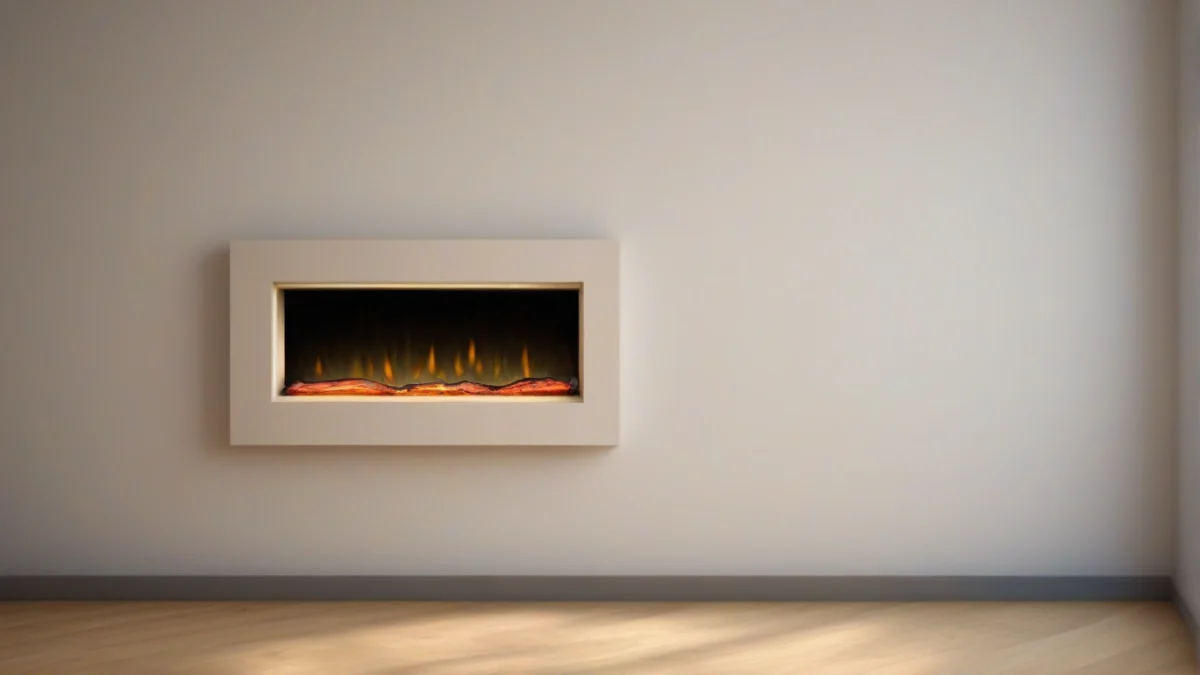
Start by locating the studs and existing outlets with a stud finder before cutting any drywall. This lets you plan a path that avoids structural elements and targets a nearby power source.
Electric fireplaces generate heat, so keep all cords and conduit outside heat zones near vents, fireplace glass, or other heat sources. Check manufacturer clearance requirements and local code to avoid cable damage.
If your walls have stone or textured fireplace surrounds, routing cords inside may require extra care or a professional’s help to avoid visible damage or mismatched patching.
Following this approach keeps cords hidden, safe from wear and heat, and accessible for future maintenance without tearing large drywall sections.
Wireless remote control outlets can reduce visible cords but do not eliminate the need for safe power routing and proper cord protection inside walls.
For more on clearance requirements and heat safety around electric fireplaces, see our guide on electric fireplace clearance.
Mistakes That Cause Damage or Fire Hazards When Hiding Cords
Hiding electric fireplace cords under rugs is unsafe and can cause fires and wear damage. The constant pressure and friction crush the insulation, exposing wires and creating a fire hazard.
Stapling or nailing through cords is another frequent mistake. This punches holes in the insulation, leaving wires vulnerable to shorts and shocks.
Using extension cords or power strips not rated for your electric fireplace increases risk. Many standard extension cords lack the gauge or safety features for continuous high loads.
Ignoring heat clearance around cords shortens their life and can lead to damage. Fireplace heat can degrade insulation or even melt plugs if cords touch hot surfaces.
Cutting off the ground prong on plugs is a shortcut some try to make cords fit tight spaces. This disables the essential grounding safety path and risks shock or fire.
Failing to leave cord slack or service access makes future repairs or unplugging difficult. Tight cords pull on connections and risk damage over time.
Common mistakes when hiding electric fireplace cords include under-rug runs, stapling through wires, using the wrong cords, ignoring heat clearance, removing ground prongs, and not allowing service access. Avoid these to keep your setup safe and long-lasting.
Permits and When to Hire a Pro for Cord Concealment
You generally do not need permits for simple surface cord concealment like paintable raceways. These can be installed safely without professionals.
Hiding cords behind stone or brick fireplace surrounds is possible without a pro if you use surface methods and don’t alter the masonry. Cutting or modifying stone usually requires a professional.
Hardwired electric fireplaces must be installed by licensed electricians. This ensures wiring meets local code and safety standards.
Installing new outlets behind fireplaces or inside walls usually requires a permit and inspection. Electrical work must comply with codes to prevent hazards.
Routing cords inside walls near gas lines or venting often needs inspection and permits to verify safety and code compliance.
More Questions, Answered
Is it safe to hide electric fireplace cords under rugs?
Can I paint electric fireplace cords to match the wall?
What is the required clearance between the fireplace and cords?
Are wireless options reliable for controlling electric fireplaces?

HeaterGuides covers home heating, water heating and HVAC: how the equipment works, what it costs to run, and how to use it safely.
