

To heat hot water centrally, install a boiler or water heater that distributes heated water through pipes to taps and radiators in your home.
Central hot water heating provides efficient, uniform warmth throughout your home from a single source. Whether you use a boiler, heat pump, or furnace system, understanding your options helps maximize comfort and energy savings.

Types of Central Hot Water Heating Systems
Three main systems dominate residential central heating:
1. Boiler-Based Hydronic Systems
Boilers heat water that circulates through pipes to radiators or underfloor tubing. Modern condensing boilers achieve over 90% efficiency by recovering heat from exhaust gases.
- Pros: Quiet operation, zoning capability, compatible with radiant floors
- Cons: Slower response time than forced air, higher installation cost
2. Heat Pump Water Heaters
These electrically-powered systems extract heat from air or ground. The Stiebel Eltron Tempra 36 represents an efficient tankless electric option.
| Type | Efficiency | Best For |
|---|---|---|
| Air-source | 300%+ | Moderate climates |
| Ground-source | 400%+ | Cold climates |
3. Forced Air Furnaces
While primarily for space heating, some systems integrate with water heater controls for domestic hot water. Modern units achieve 90-98% AFUE ratings.
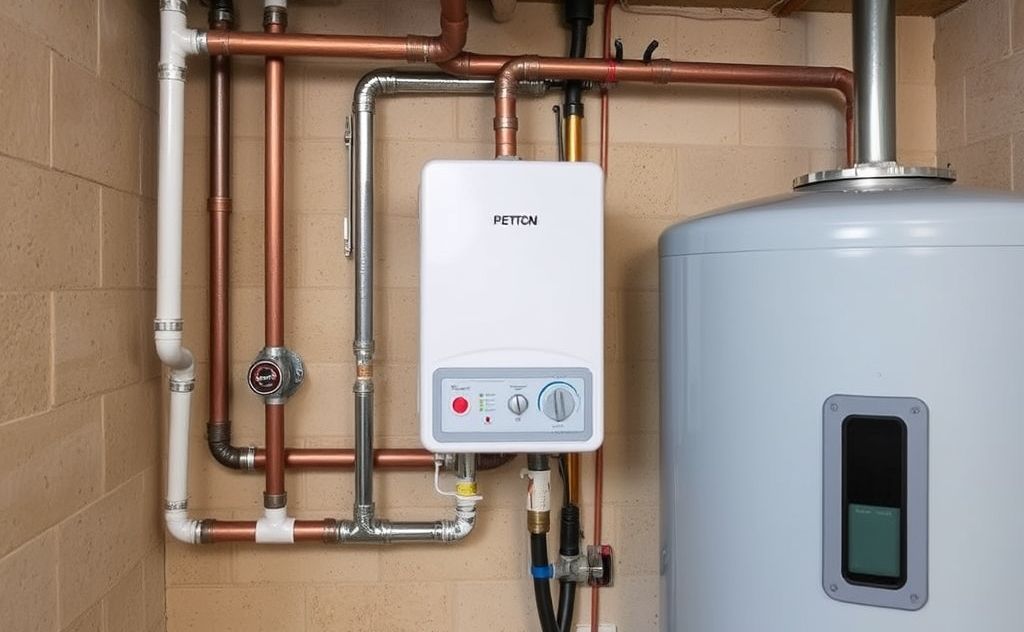
Key Components for Central Hot Water
Heat Sources
- Gas boilers (natural gas or propane)
- Oil-fired boilers
- Electric resistance or heat pump
- Biomass (wood pellets, chips)
- Solar thermal collectors
Distribution Systems
Proper piping is crucial. Use:
- Copper or PEX for potable water
- Insulated pipes to minimize heat loss
- Circulation pumps for consistent flow
Installation Considerations
Sizing Your System
Oversizing wastes energy. Calculate based on:
- Home square footage
- Climate zone
- Insulation quality
- Number of bathrooms
Zoning Strategies
Create separate zones for:
- Different floors
- Living vs. sleeping areas
- High-use bathrooms
Maintenance Tips
Annual Servicing
Schedule professional maintenance for:
- Boiler pressure checks
- Heat exchanger inspection
- Pump lubrication
DIY Tasks
Homeowners should:
- Bleed radiators annually
- Check pressure gauges monthly
- Inspect for leaks quarterly
Energy Efficiency Upgrades
Modern Controls
Smart thermostats like ENERGY STAR certified models optimize performance.
System Enhancements
- Add buffer tanks to reduce cycling
- Install outdoor reset controls
- Consider sacrificial anode rods to protect tanks
Cost Comparison
| System Type | Installation Cost | Annual Operating Cost |
|---|---|---|
| Gas Boiler | $4,000-$7,500 | $600-$900 |
| Heat Pump | $6,000-$10,000 | $300-$500 |
| Electric Resistance | $3,000-$5,000 | $800-$1,200 |
Future Trends
Emerging technologies include:
- Hybrid heat pump/boiler systems
- Phase-change materials for thermal storage
- AI-optimized heating algorithms
Related pick: Check today's price on Amazon

I am a mechanical engineer and love doing research on different home and outdoor heating options. When I am not working, I love spending time with my family and friends. I also enjoy blogging about my findings and helping others to find the best heating options for their needs.
Related guides

How to Calculate Hot Water Needs for Central Heating
To calculate the amount of hot water needed for central heating, determine the heat loss of the space…
Essential Components of a Hot Water Central Heating System
The essential components of a hot water system for central heating include a boiler, pump, expansion tank, radiators,…
Best Pipes for Hot Water in Central Heating Systems
Common types of pipes used for transporting hot water in central heating include copper, PEX, and PVC, each…
