

To choose a thermometer for scientific research, consider accuracy, calibration range, response time, and the specific temperature conditions of your experiments.
Selecting the right thermometer for scientific research requires careful consideration of precision, range, response time, and environmental factors. Unlike household thermometers, lab-grade instruments must meet strict accuracy standards for reliable data collection.

THOMAS SCIENTIFIC
Thomas 1222W14 Traceable Vaccine Thermometer, 5ml Bottle…
- Accurately measures temperature in freezers, refrigerators, incubators, water baths and heating blocks
- Enclosed “temperature buffered” sensor
- Resolution: 1°C; accuracy: ±1°C
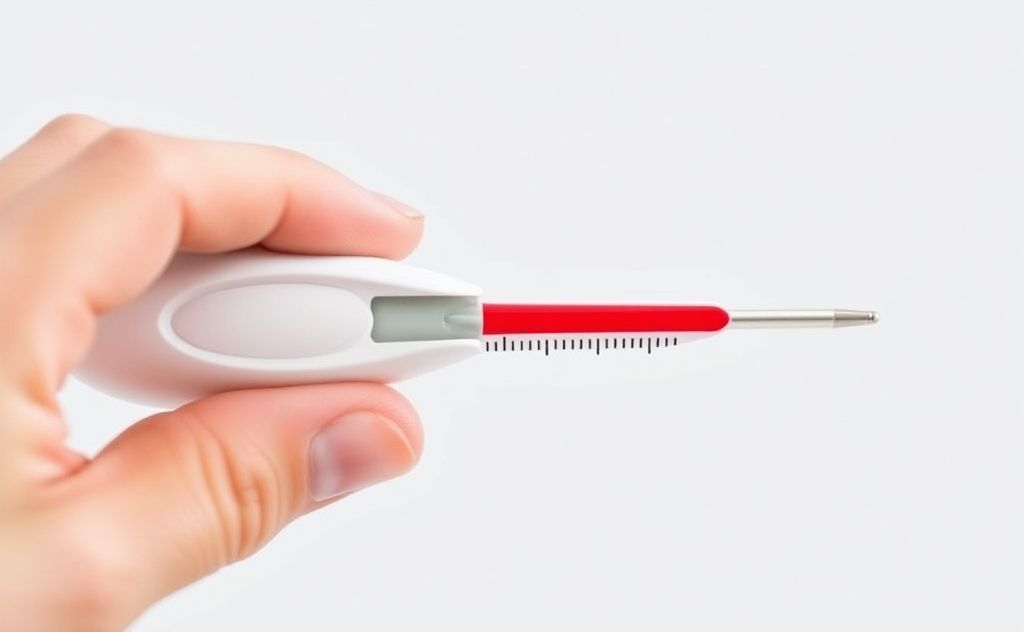
Key Factors When Selecting a Research Thermometer
Measurement Range Requirements
Scientific applications demand different temperature ranges:
- Cryogenic research: -200°C to -50°C
- Biological studies: 0°C to 100°C
- Materials testing: up to 2000°C
Accuracy and Precision Needs
Research-grade thermometers typically offer:
| Type | Accuracy | Resolution |
|---|---|---|
| RTD | ±0.1°C | 0.01°C |
| Thermocouple | ±1°C | 0.1°C |
| Infrared | ±2°C | 0.1°C |
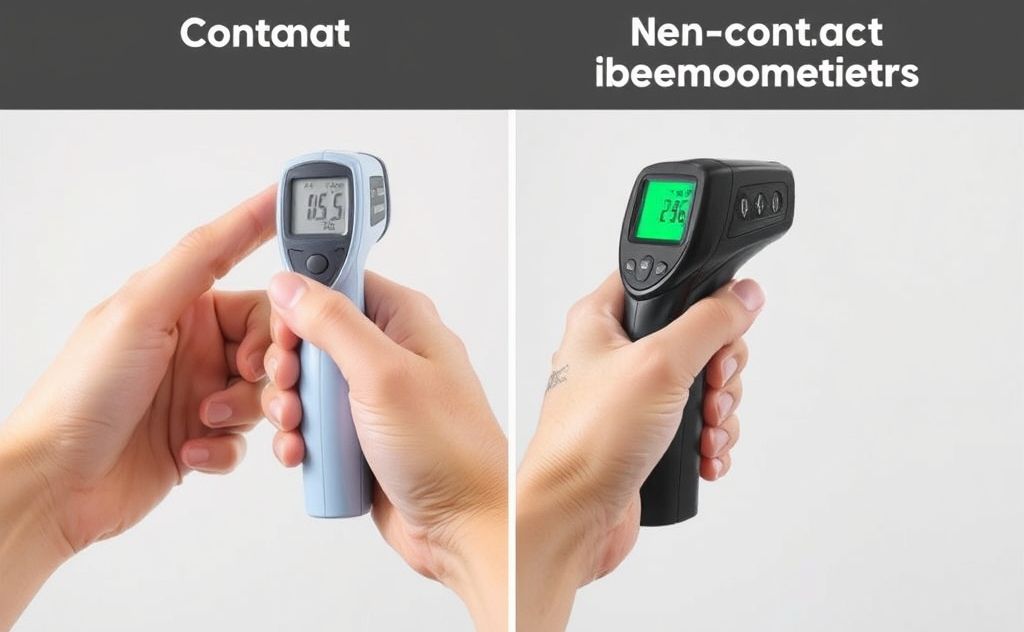
Contact vs. Non-Contact Thermometers
Contact Thermometers
Ideal for liquids, solids, and precise measurements:
- RTDs (Resistance Temperature Detectors) – Most stable for lab use
- Thermistors – High sensitivity in narrow ranges
- Thermocouples – Wide range but lower accuracy
For specialized applications like water bath temperature control, RTDs provide the best stability.
Non-Contact Infrared Thermometers
Best for:
- Moving surfaces
- Hazardous materials
- High-temperature measurements
According to DirectIndustry, infrared thermometers can measure up to 3000°C but require proper emissivity settings.
Specialized Research Thermometers
Calibration Requirements
NIST-traceable calibration is essential for:
- Published research
- Regulatory compliance
- Quality control labs
Data Logging Capabilities
Modern research thermometers often include:
- Bluetooth connectivity
- Cloud data storage
- Multi-channel monitoring
For environmental chamber monitoring, consider systems that integrate with precision temperature controllers.
Safety Considerations
Mercury Thermometer Alternatives
As noted by Healthline, mercury thermometers pose significant risks. Modern alternatives include:
- Galinstan-filled glass thermometers
- Digital spirit thermometers
- Electronic probes with glass-free construction
Material Compatibility
Choose probe materials based on your samples:
- Stainless steel – Most chemicals
- Inconel – High temperatures
- Teflon-coated – Corrosive solutions
Application-Specific Recommendations
Biological Research
For cell culture and incubator monitoring:
- ±0.1°C accuracy minimum
- Sterilizable probes
- Waterproof designs
Materials Science
High-temperature studies require:
- Type K or R thermocouples
- Ceramic sheathed probes
- Fast response times
For specialized heating applications, review options like precision induction heaters with integrated temperature control.
Related pick: Check today's price on Amazon

I am a mechanical engineer and love doing research on different home and outdoor heating options. When I am not working, I love spending time with my family and friends. I also enjoy blogging about my findings and helping others to find the best heating options for their needs.
Related guides

Master Thermocouple Thermometers: The Complete Guide
To use a thermocouple thermometer, insert the probe into the material to be measured, ensuring good contact, and…
How to Choose the Best Thermometer for Your Needs
To compare different thermometer types, evaluate their accuracy, response time, ease of use, measurement range, and suitability for…
Essential Safety Tips for Using Thermometers Correctly
When using thermometers, ensure they are clean and calibrated, avoid sharing them between individuals, use the appropriate type…
